How the Rough Cut Lost Its Way
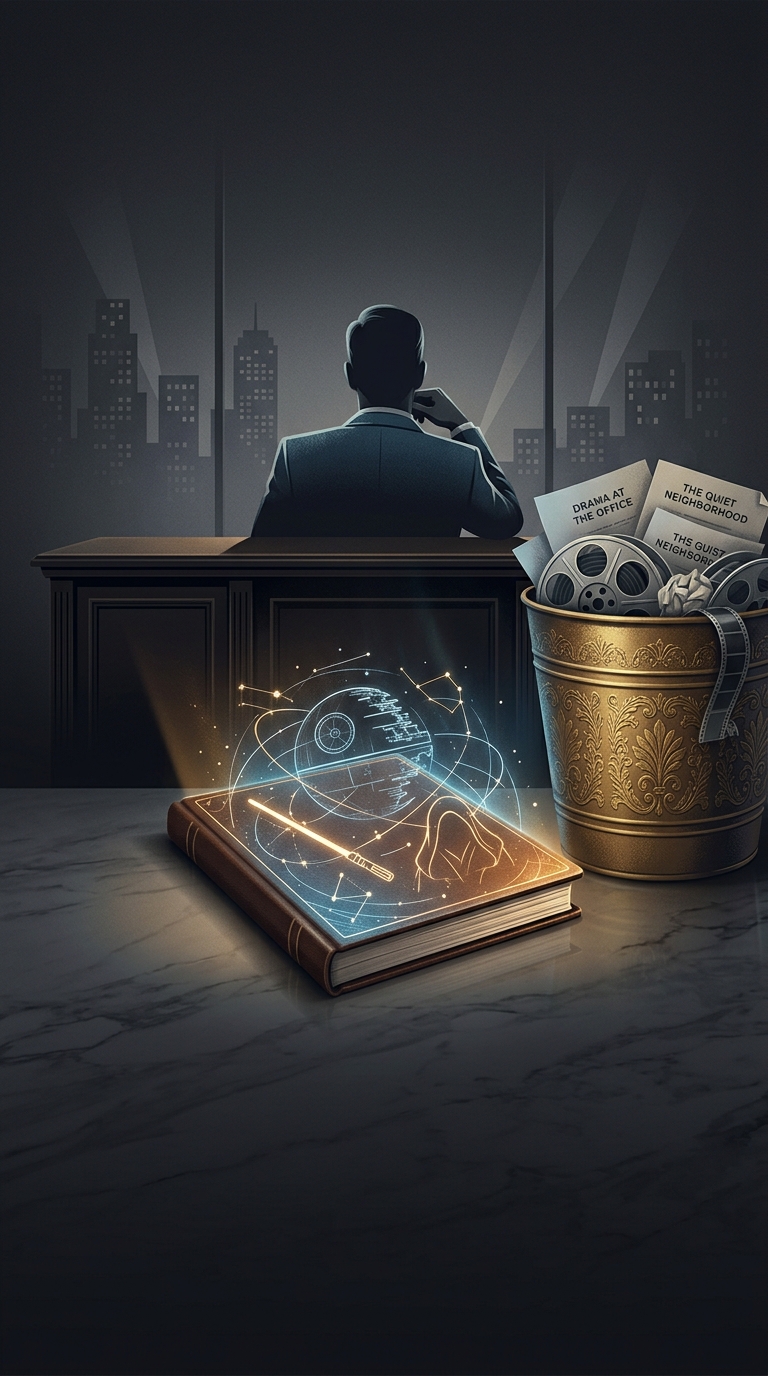
A rough cut is an early assembly of filmed scenes, often put together before the sound, music, and visual effects are finished. It lets filmmakers see the story’s basic shape—but it can also expose problems that were hard to notice while shooting. In the first assembly of Star Wars, scenes that made sense on the page or during production did not yet add up to a clear, propulsive film. Lucas’s filmmaker friends struggled to follow the story and felt the pacing was missing.
That reaction pointed to an editing problem, not simply a need to make individual scenes shorter. A film’s momentum depends on how each moment leads into the next: what the audience knows, what it is waiting for, and how long it must wait. If transitions are confusing or an important beat arrives too late, even exciting material can feel inert.
Rebuilding the Audience’s Experience
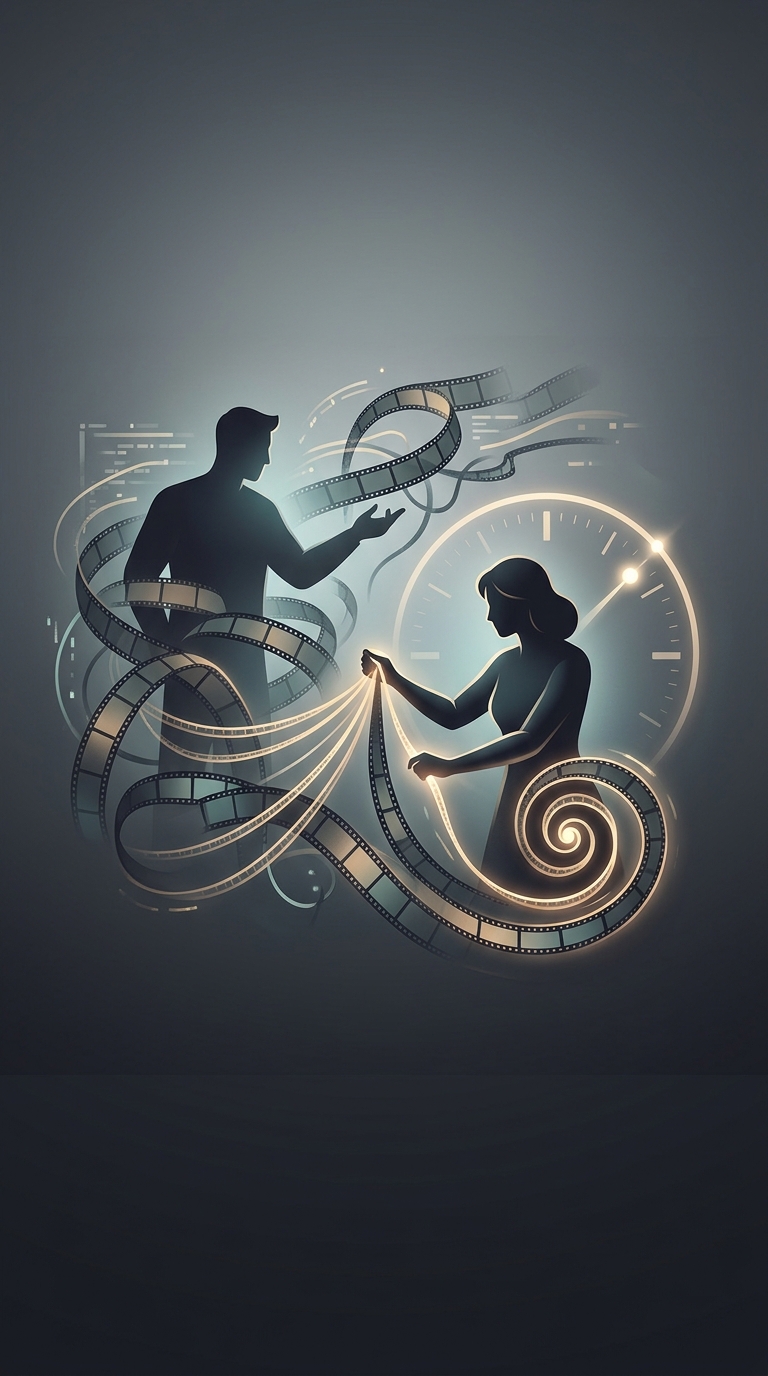
Editors Marcia Lucas, Paul Hirsch, and Richard Chew reshaped the footage into a more coherent sequence. Editing can change a scene’s emphasis by removing pauses, shifting the order of shots, or cutting between separate strands of action. Those choices guide attention and create cause and effect: a character’s decision feels consequential when the audience can clearly see what prompted it and what follows.
The work mattered because Star Wars needed to function not just as a collection of imaginative scenes, but as a story viewers could track and feel moving forward. Marcia Lucas shared the Academy Award for Film Editing, recognizing the craft behind that transformation. The striking lesson is that a film’s pace is not merely how quickly images flash by; it is the feeling that each moment gives the next one somewhere to go.