Why R2-D2’s insults became beeps
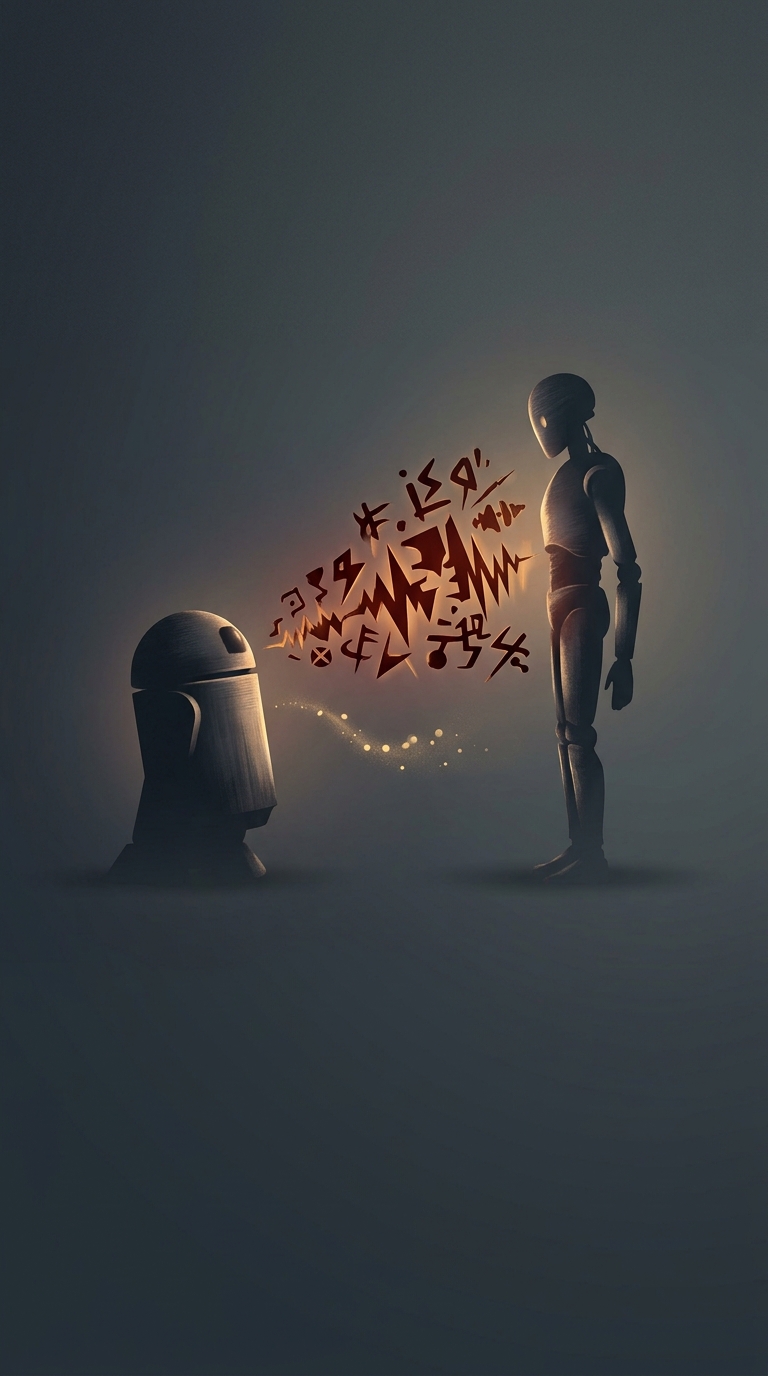
In early drafts of Star Wars, R2-D2 had a voice readers could understand: he spoke English and often insulted C-3PO. That version made the droid’s personality explicit in the script. The finished films instead leave his words untranslated, turning the audience into listeners who must infer what he means from his timing, sounds, and the reactions of the other characters.
A voice built from sound and response
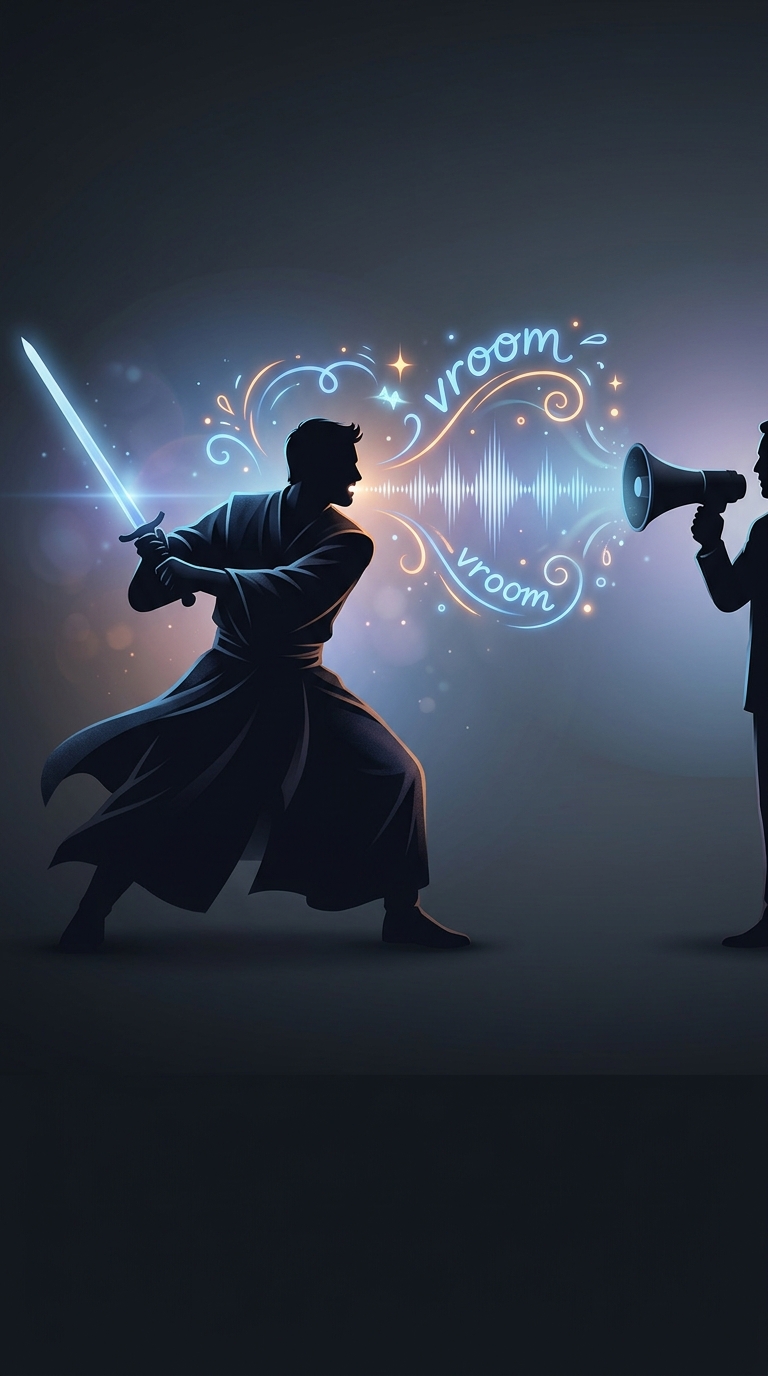
The change was more than swapping rude lines for harmless ones. Without intelligible dialogue, R2-D2 could communicate through short electronic bursts—urgent beeps, puzzled warbles, or triumphant chirps—while C-3PO supplied an anxious verbal response. Their exchanges still feel like conversations, but the audience hears only one side in words. C-3PO’s reactions help suggest what R2-D2 might have said without fixing every line to a precise translation.
That ambiguity also lets R2-D2’s sounds work across situations. A sharp sequence can signal alarm; a pause or rising note can suggest doubt or impatience. Rather than explaining the droid’s attitude in dialogue, the performance makes it something viewers read from sound and context.
What the change did for the character
The contrast sharpened the duo: C-3PO talks constantly, while R2-D2 communicates in compact bursts and often acts before anyone has finished explaining the problem. His beeps preserve the sense of a quick-witted companion without making him sound like a human delivering scripted jokes. The result is a character whose personality comes through even when viewers cannot know his exact words—and whose arguments with C-3PO remain funny partly because the translation is left to the listener.