How a musical cue became a trailer-sized impact
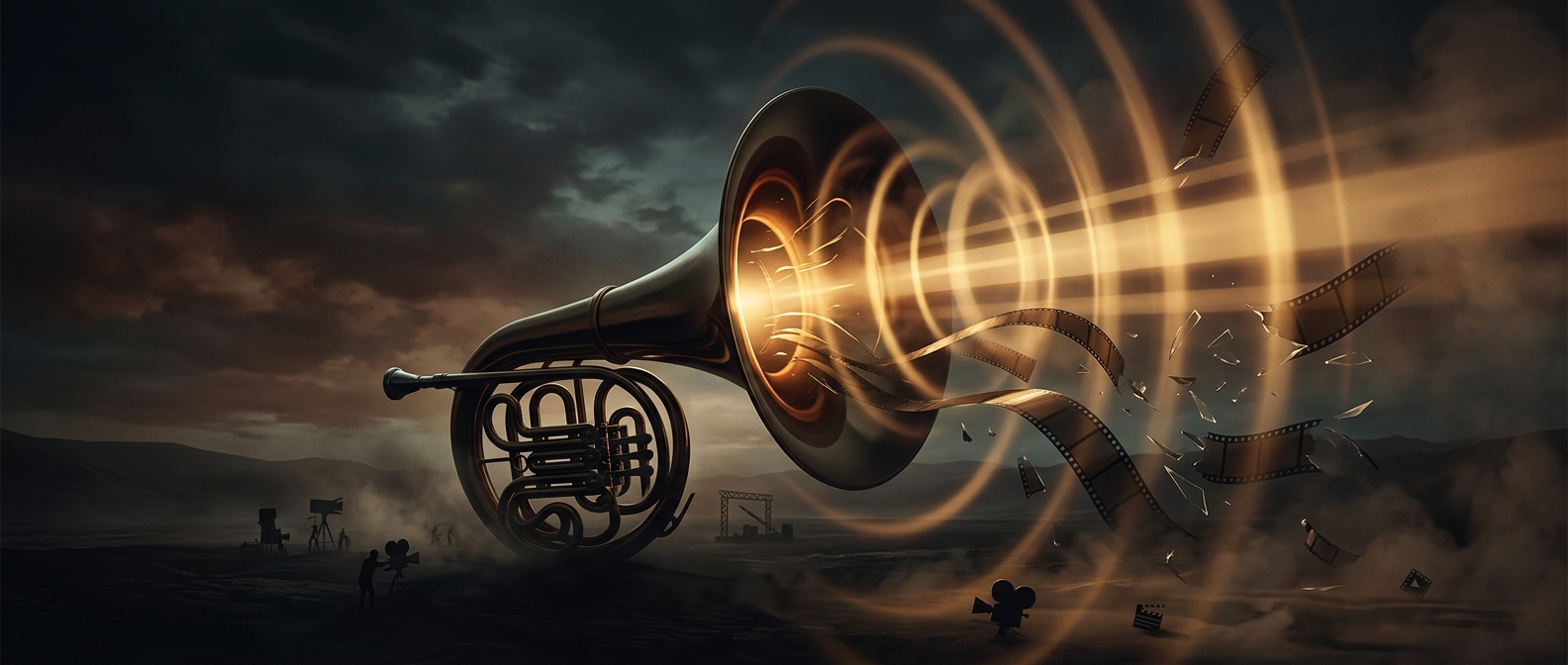
The “braaam” worked because it made a musical idea feel physically large. In Inception, Hans Zimmer and sound designer Richard King transformed material from Edith Piaf’s “Non, je ne regrette rien,” slowing it and shaping it with brass. Brass can produce a dense, forceful sound; stretched out and pushed into a low register, the result feels less like a melody than a looming event.
That quality fit a trailer’s tight visual grammar. A cut, a flash of action, or a sudden reveal could land on the sound, while its low, swelling tone gave the moment weight. It was recognizable even when viewers could not name its musical source.
Why other trailers adopted it
Trailer makers need to communicate scale and urgency in seconds. The braaam offered a compact audio signal for both: a short burst could make an impending collision, battle, or transformation seem monumental. Once audiences associated that sound with high-stakes spectacle, other studios had an incentive to borrow its shape. The cue was also adaptable—sound designers could vary its pitch, length, and texture to suit different footage while preserving the same broad effect.
Imitation gradually turned a distinctive choice into a convention. That made the sound useful, but less surprising: when many trailers use a similar low blast to announce importance, the cue begins to feel like a standard marker rather than a signature. Its spread shows how a single film’s sound design can become part of the language other films use to sell themselves.