Why the Same Costume Turns Up in Different Films
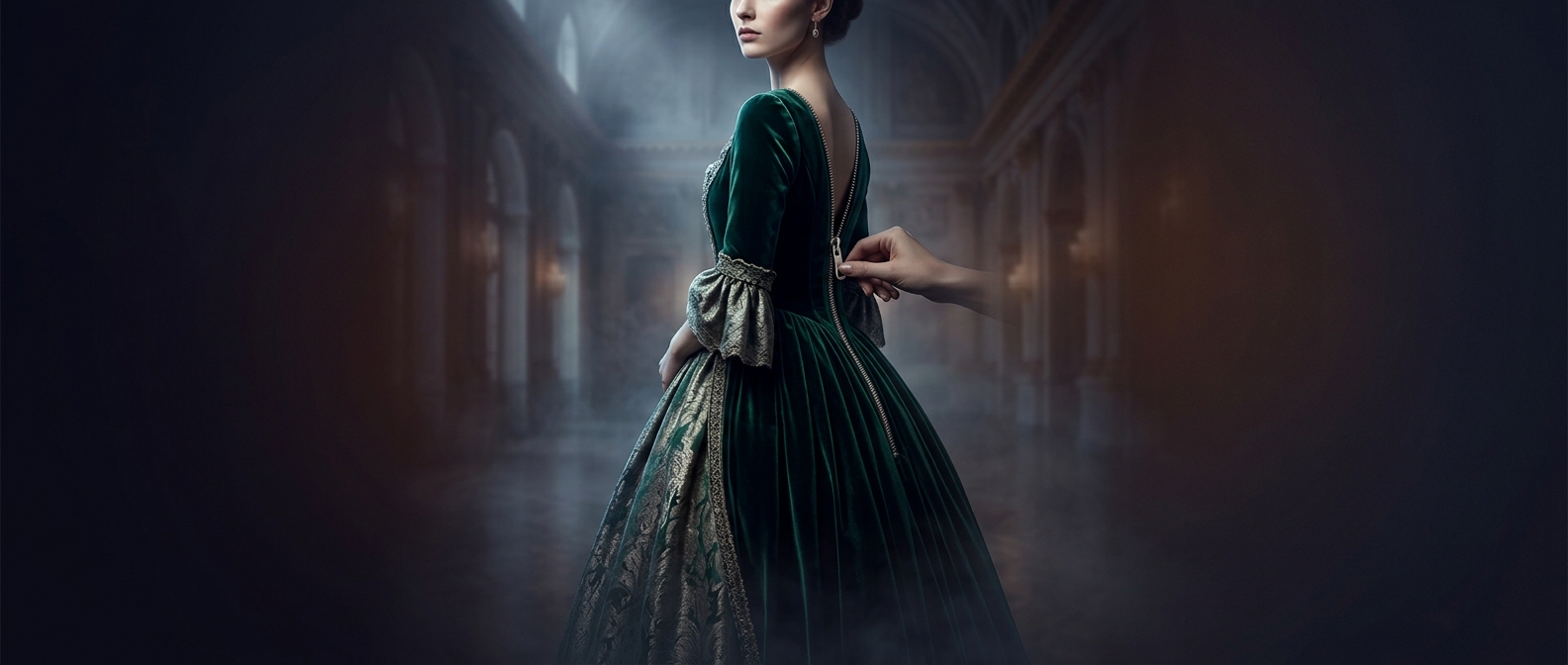
A historical-looking outfit can be costly long before an actor puts it on. A costume department may need specialist patternmaking, skilled sewing, sturdy materials, and fittings that let the garment work under lights and through repeated takes. For a production that needs only a few days of wear, buying or building every piece from scratch can be hard to justify. Rental houses spread those costs across many productions by keeping garments in circulation.
A Wardrobe Built to Be Recast
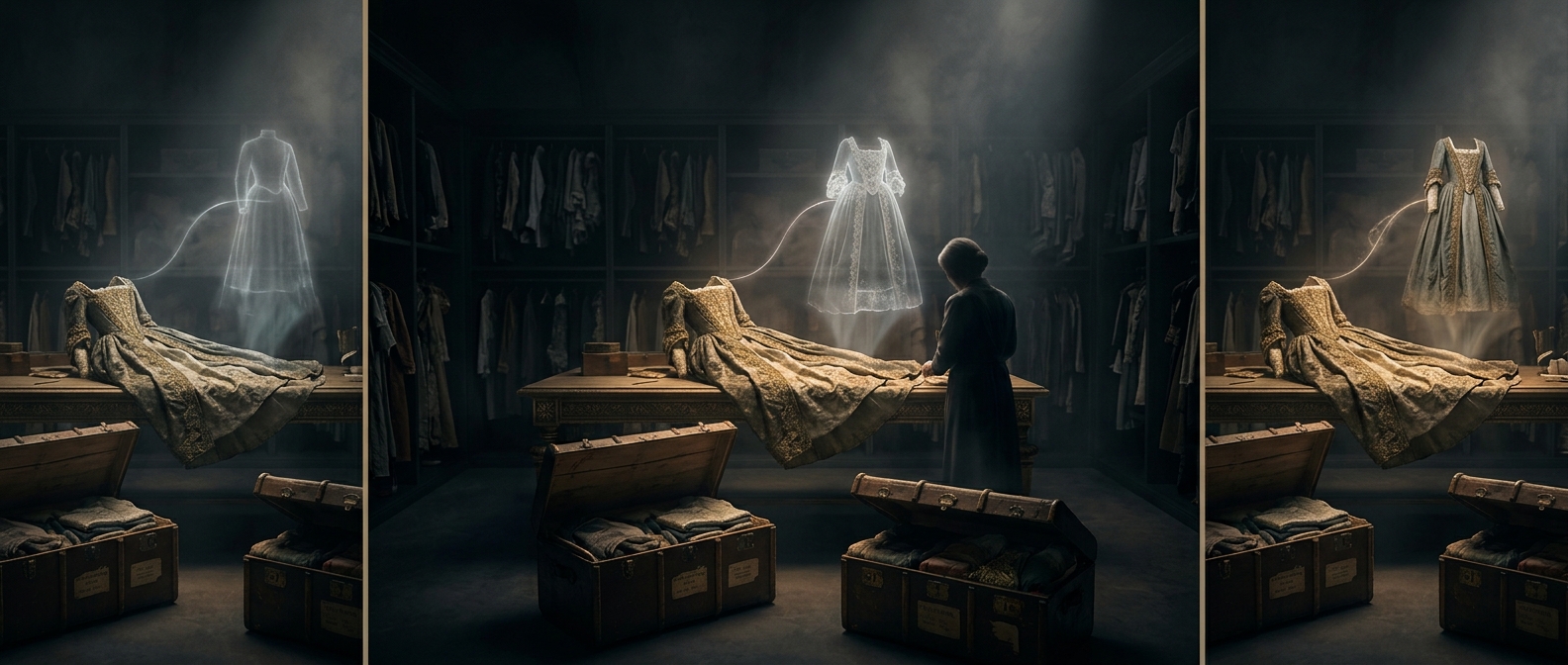
The stock is not simply a rack of untouched museum pieces. Costumers can alter a rented garment to fit a performer, then make smaller changes to suit a new character or production. Replacing buttons, adding trim, changing a belt, or layering a cloak can shift its appearance without rebuilding its basic structure. Armor and corsets are especially useful candidates for reuse because their distinctive shapes take substantial labor to create.
Those alterations also have limits. A costume must fit the actor, match the production’s visual style, and hold up to movement and filming. If a story requires a very specific silhouette, material, or close-up detail, the department may modify an existing piece extensively or make a new one instead. Rental is a practical starting point, not a guarantee that every garment can serve every role.
Familiar Details, New Stories
Reuse helps productions control wardrobe costs and gives rental houses a reason to maintain versatile inventories. It also means that viewers who recognize costumes across films are noticing a working system behind the illusion: the garment is being made to tell a new story through fit, styling, and context. Sometimes the change is as small as different buttons; on screen, that can be enough to make a familiar piece read as someone else’s.