A Collar Can Give Away a Scene Cut
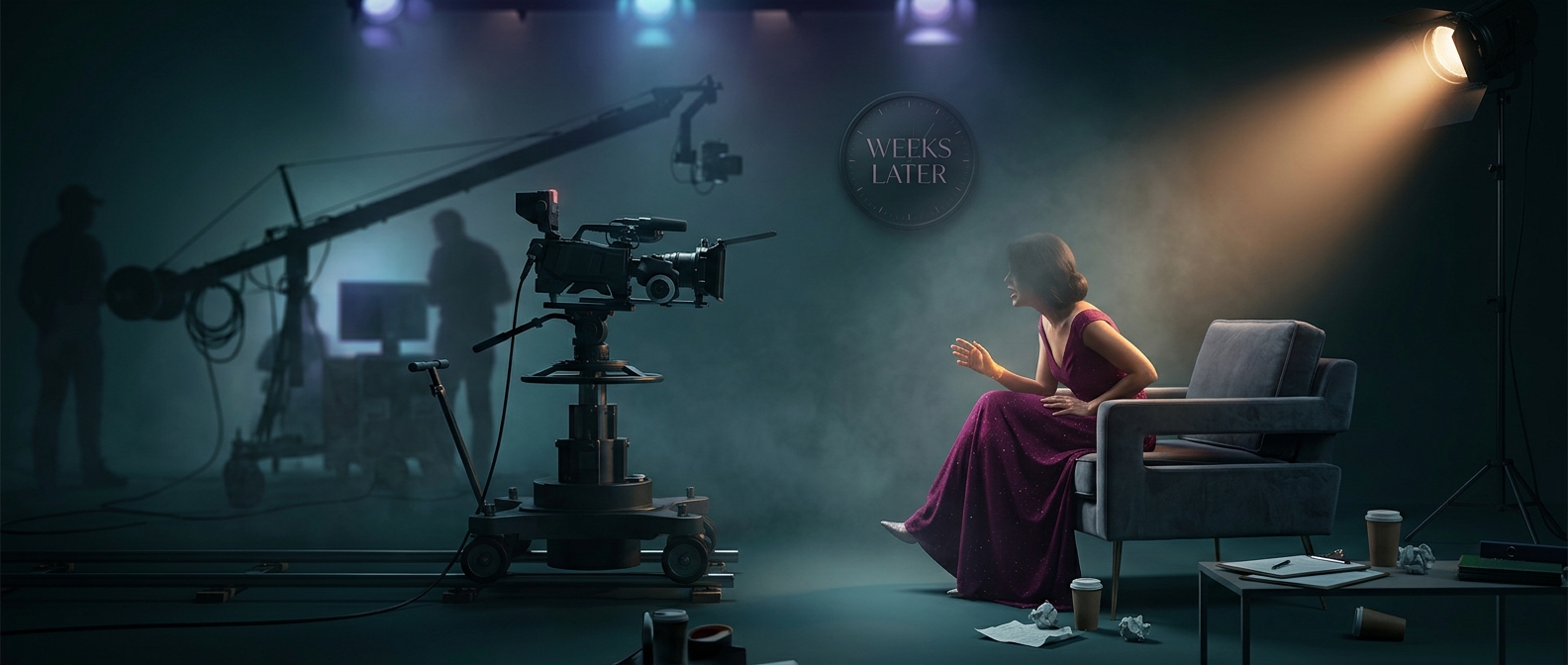
Film scenes are rarely shot in the order viewers see them. A crew may film part of a scene, move on to another setup, then return later—sometimes after an actor has changed clothes or a garment has been adjusted. On screen, though, those moments may appear back-to-back. A collar that sits differently can make the cut feel like an accidental jump in time.
Photos Turn Wardrobe Into a Record
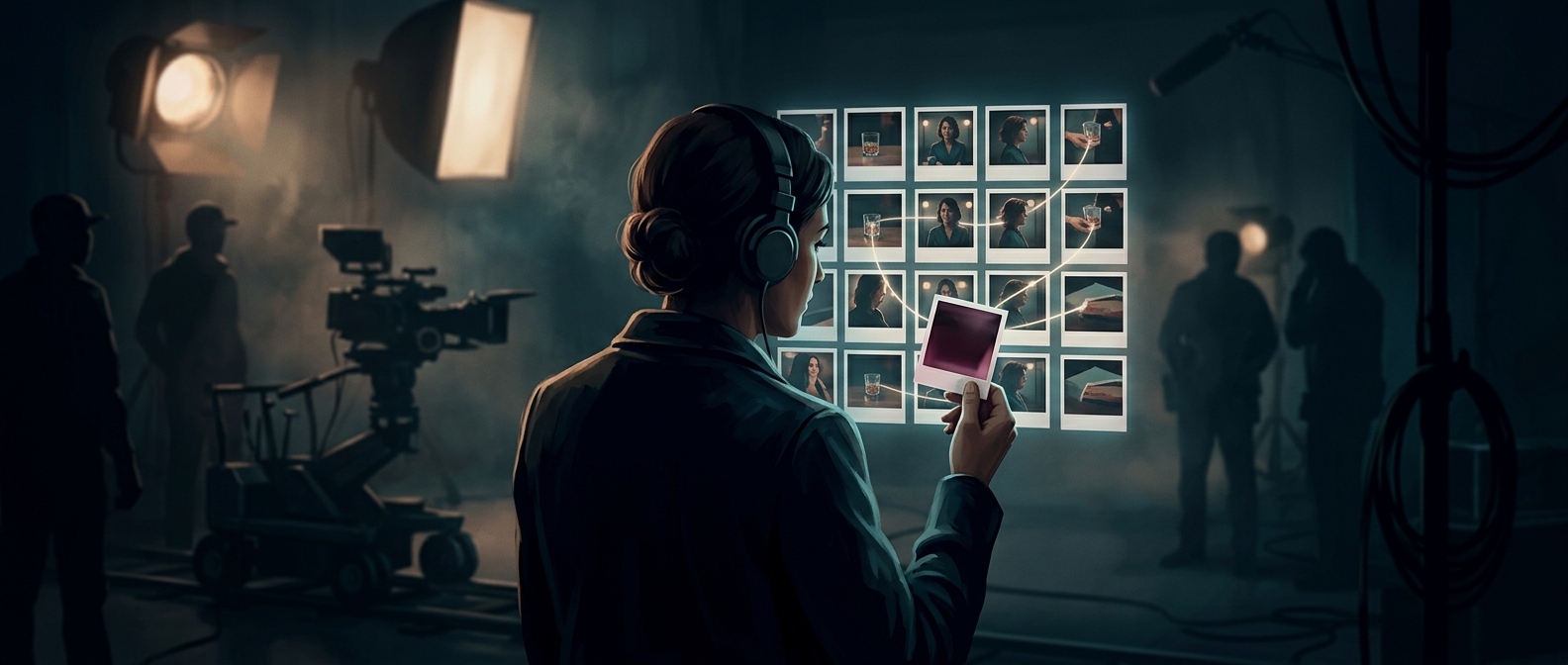
A continuity supervisor takes instant photos of an actor’s clothing during filming, capturing details that are easy to overlook: whether a collar is folded or open, how a jacket hangs, and where sleeves or buttons sit. The images give the crew a visual reference when they resume the scene or repeat a shot from a different camera angle.
That reference matters because memory is imprecise, especially across a long production with many scenes and interruptions. A costume that looks almost identical may still differ in a way that becomes obvious when two shots are edited together. The photos help the supervisor spot those mismatches and guide adjustments before filming continues.
Matching the Moment, Not Just the Outfit
The goal is not simply to keep an actor in the same clothes. It is to preserve the same state of those clothes at the same point in the story. If a character’s jacket was already rumpled or a collar had shifted during one take, the next shot may need to match that condition—not restore the garment to how it looked at the start of the day.
Those small records help make separately filmed pieces play as one continuous moment. When the match works, viewers follow the character’s action instead of noticing that the scene was assembled from shots made at different times.