Building a winter maze indoors
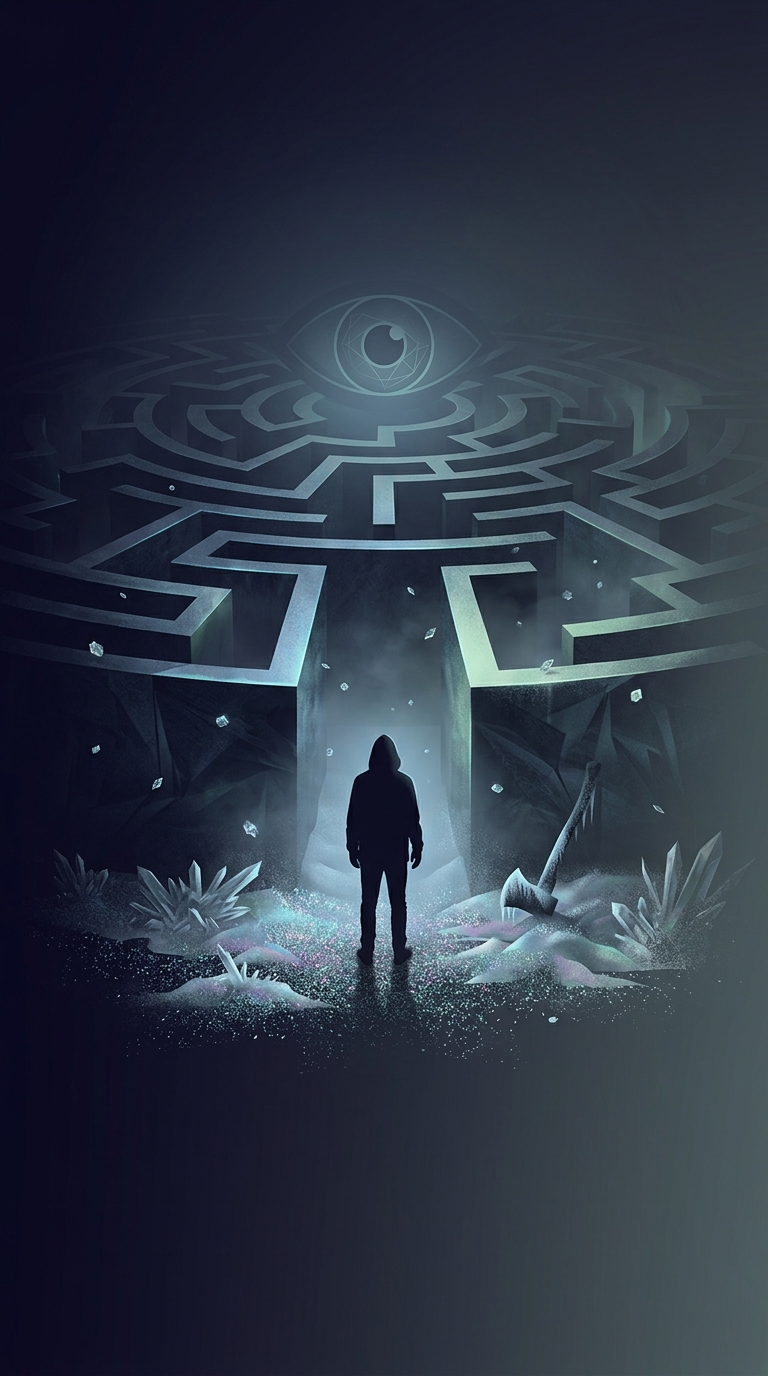
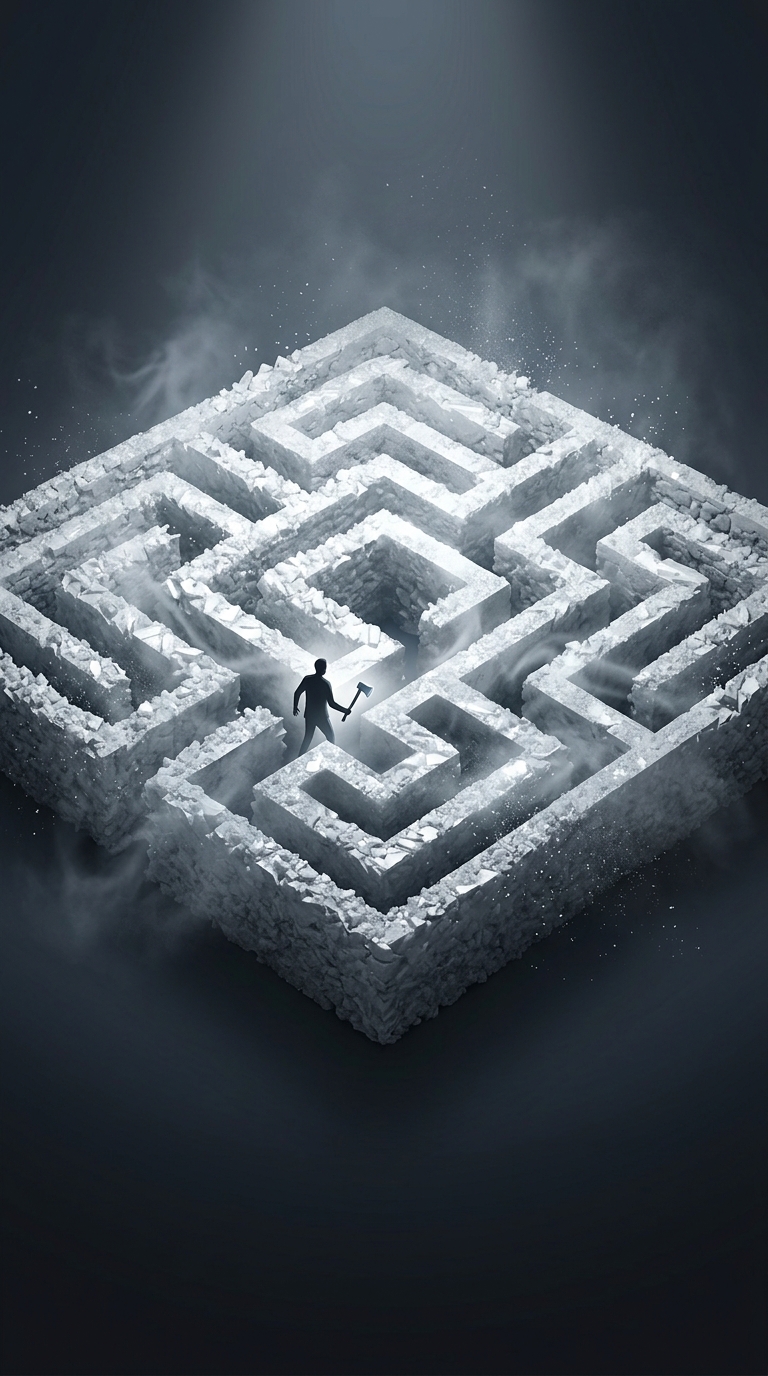
For the final maze scenes in The Shining, the snow had to cover a large area and stay visually consistent while the actors and camera moved through it. The production used an enormous quantity of salt mixed with crushed Styrofoam to create a bright, snowlike surface on the studio backlot. The scale mattered: a light dusting might look convincing in a close shot, but broad views of the maze required the ground to read as winter-white across the frame.
The materials served different visual purposes. Salt supplied a dense, pale ground cover; crushed foam added a lighter, softer-looking layer. Under the set’s lighting, the combination could suggest snow without relying on weather or waiting for real snowfall. On a controlled set, the crew could also arrange the surface to suit the shot and keep the maze’s appearance consistent from one take to the next.
The cost of making “snow”
That control came with a practical burden. Hundreds of tons of material had to be brought in, spread across the backlot, and managed around the set. Unlike real snow, the mixture would not simply melt away when filming ended. It had to be cleared, and loose foam and salt could be carried beyond the area where they were meant to stay.
The artificial winter was therefore both a filmmaking solution and a large-scale cleanup problem. The striking white maze on screen depended on a set covered in materials that were anything but wintry—and on a production prepared to move and remove them afterward.