Why a “right after” reaction may come later
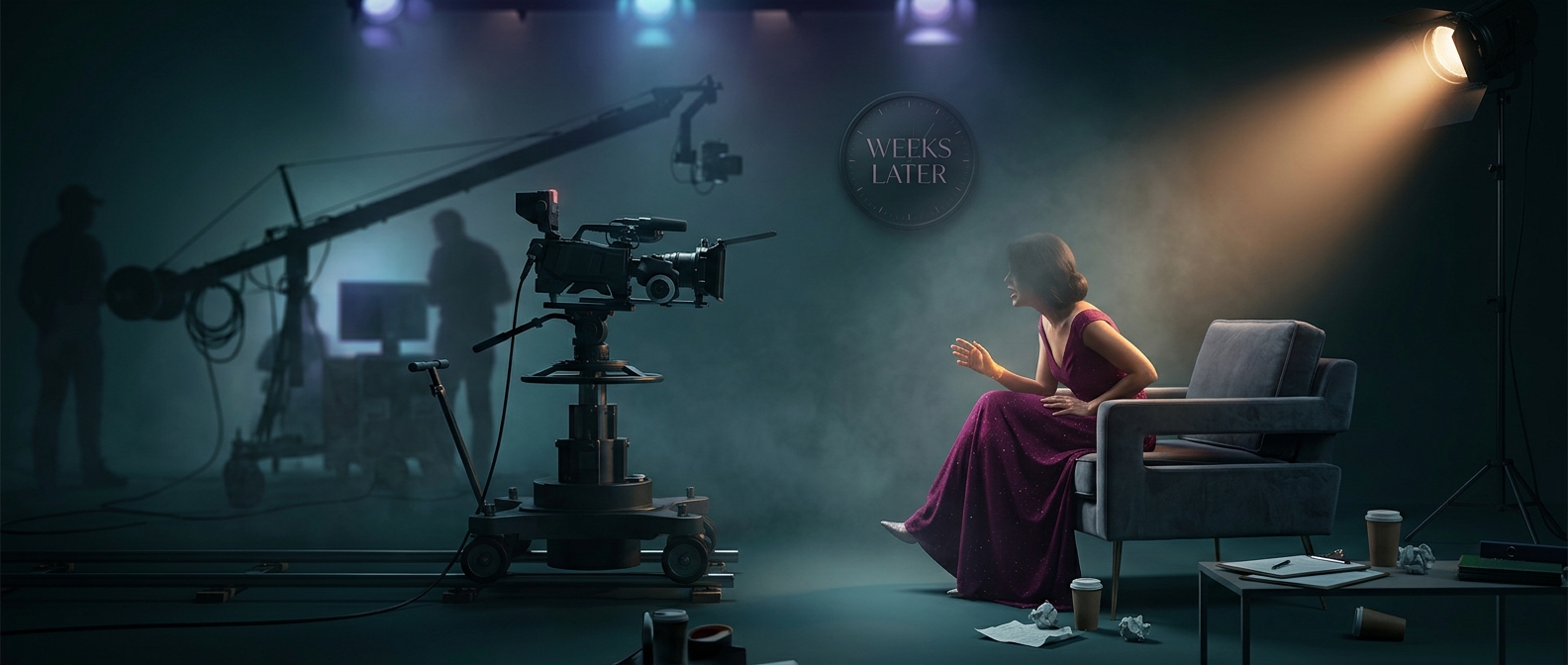
A reality-show confessional—the solo interview in which a contestant talks to camera—is often recorded apart from the event it discusses. The interview may happen days or weeks later, after production has moved on or the contestant is available for a scheduled session. Producers can ask the person to describe what happened and revisit how they felt about it.
That delay changes the scene’s texture. Instead of capturing an unfiltered response in the instant, the camera records a later account: a memory, shaped by what the contestant now understands and chooses to say. Producers may also ask for a reaction to be recreated, such as looking surprised or repeating a gesture, so the moment can be shown clearly.
How production makes the timeline feel continuous
Editors weave these interviews between footage of the original events. A contestant’s explanation can clarify a confusing exchange, connect two scenes, or supply a personal perspective that the event footage alone cannot show. Because the interview was filmed later, the editor must make the cut feel as though it belongs with the earlier scene.
Clothing helps. If a contestant wears the same outfit in a later interview, the change in filming date is less noticeable when the segment is edited alongside that day’s events. It is a continuity tool, much like keeping a prop or background consistent across shots—not proof that the interview happened at the time depicted.
The result is a useful but constructed kind of storytelling. The event may be real, while the interview’s timing and presentation are arranged for clarity and flow. A familiar outfit can make a later reflection look like an immediate reaction, even though the camera captured it only after the moment had passed.