One performance, two kinds of camera
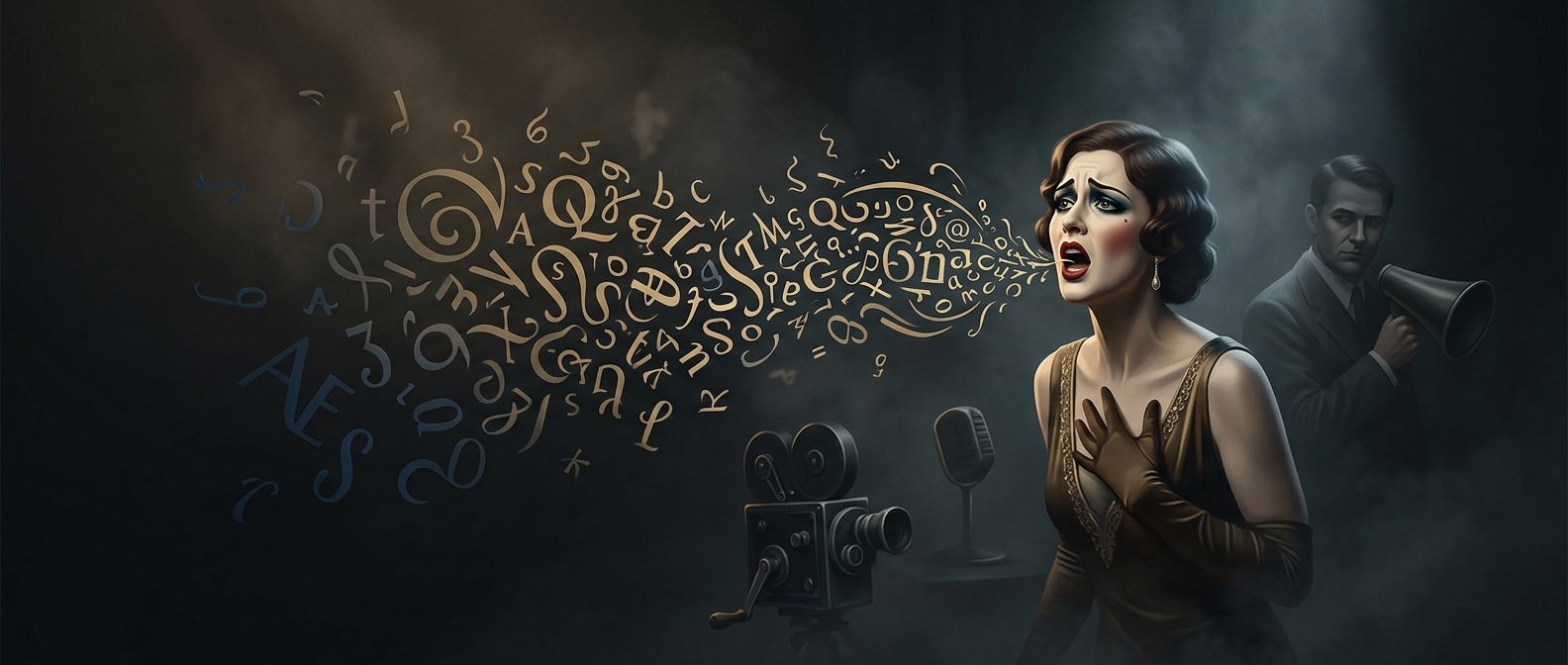
Live television vanished as soon as it aired unless someone made a copy. A common solution was a kinescope: a film camera pointed at a television monitor, recording the broadcast after the fact. It preserved the show, but the picture had already passed through the limits of the TV screen.
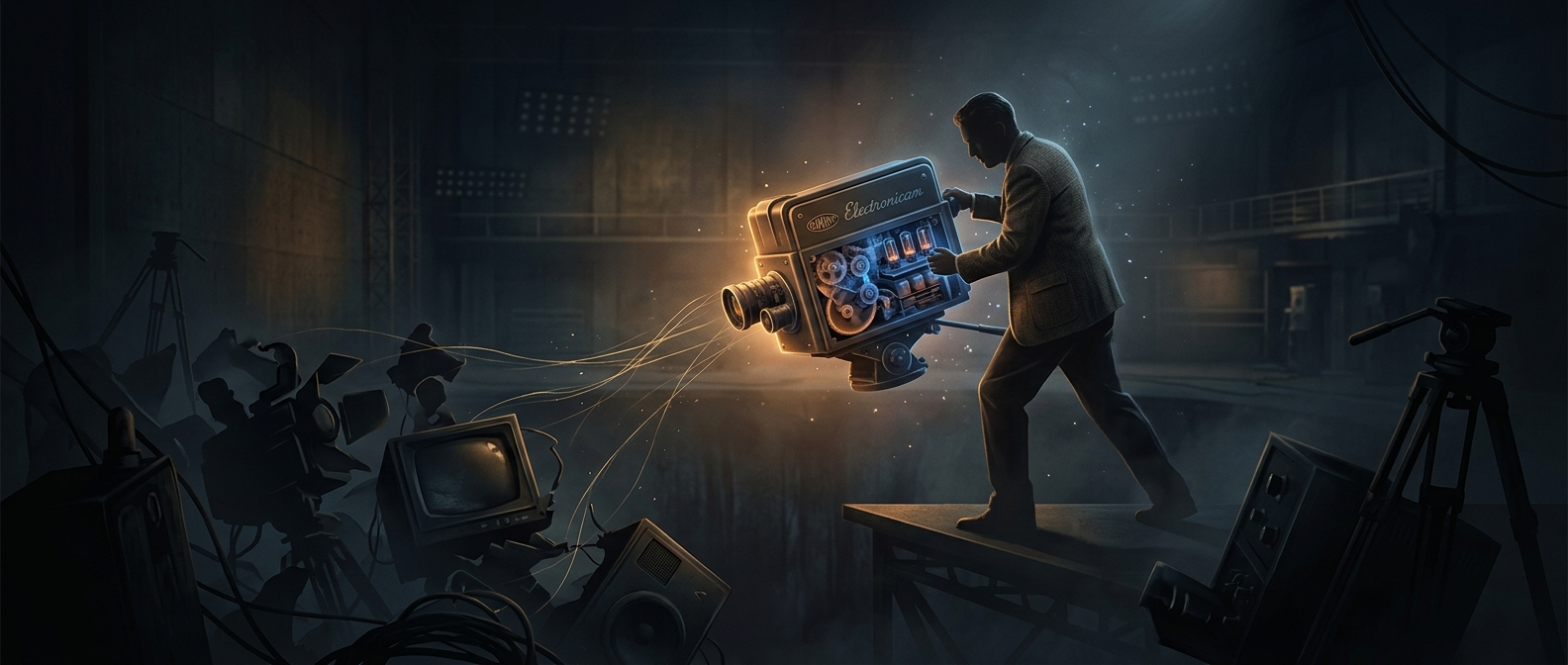
DuMont’s Electronicam took a different route. It paired a television camera with a 35mm film camera so both captured the same performance as it happened. The television feed went out live; the film negative could be developed and used later. In effect, the show had a broadcast version and a higher-quality film record made at the same time.
Why that mattered for The Honeymooners
A live broadcast was tied to its scheduled moment. A film print, by contrast, could travel: stations could acquire it and show it again on their own schedules. That made a program far more useful for syndication—the sale of episodes to stations beyond the original network.
The Electronicam recordings helped make the 1950s Honeymooners episodes available for later audiences. Instead of relying only on a filmed image of a television screen, distributors had 35mm footage of the performances themselves. A technical workaround for preserving live TV thus helped turn a one-time broadcast into a lasting, repeatable show.
A recording system could not rescue a network
The arrangement also had limits. It required film equipment alongside the live television system, and the film still had to be processed before it could be distributed. Electronicam solved the problem of preserving a broadcast; it did not solve the larger business problems facing DuMont.
The network collapsed in the 1950s, even as the recordings it helped create outlived it. That contrast is the lasting twist: DuMont’s tool could not keep its own network on the air, but it helped ensure that a live television performance would not disappear when the broadcast ended.