A shared meal became a set-wide emergency
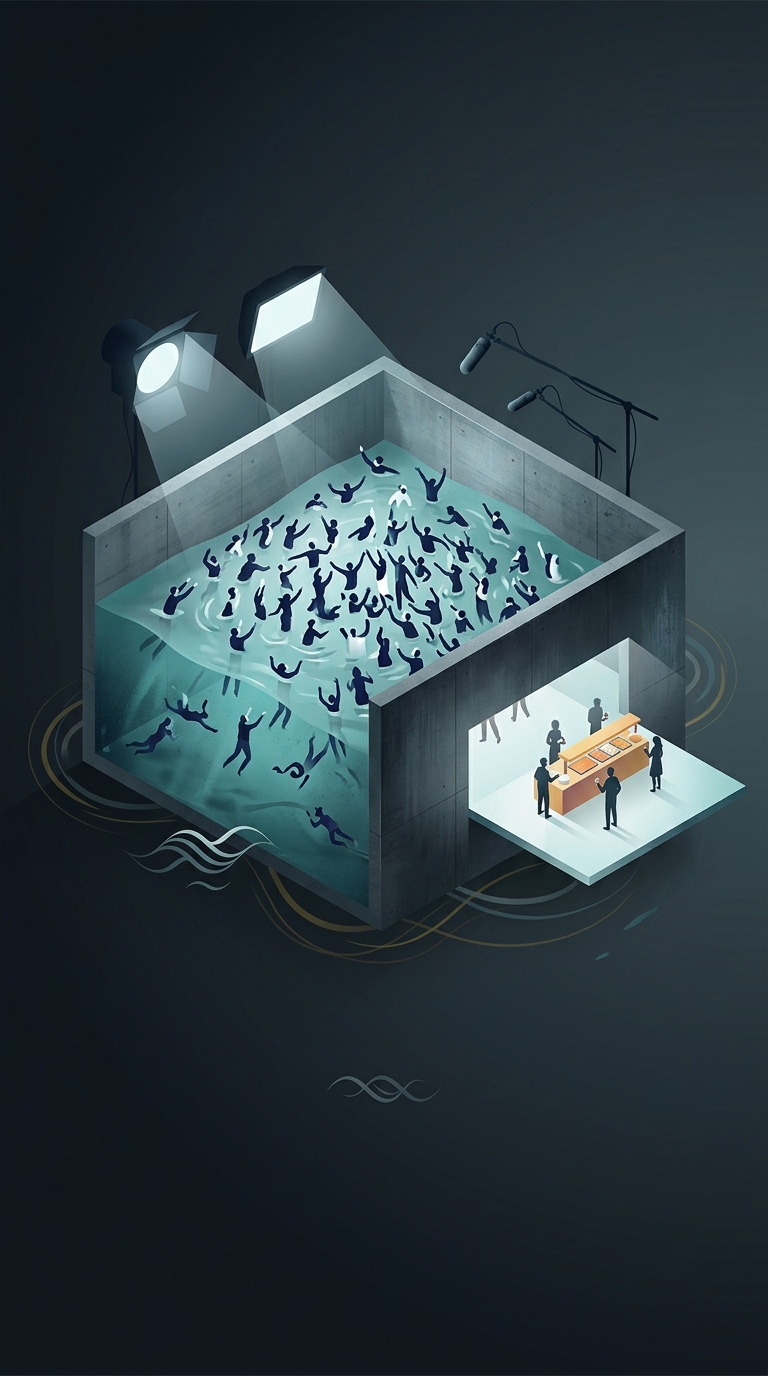
A film set depends on many people working in the same place at the same time. When a catered meal is contaminated, the danger is not limited to one person: anyone who eats it may become ill, and the production cannot safely carry on while crew members need medical attention and others may have been exposed.
That is what made the chowder incident so disruptive during Titanic’s production. The meal was part of the ordinary routine of a large shoot, but the suspected addition of PCP turned it into a mass-exposure event. PCP, short for phencyclidine, is a drug that can sharply distort perception and behavior. Its effects can include confusion, poor coordination, agitation, nausea, and vomiting, making it difficult for affected people to care for themselves or continue working safely.
Why one contaminated dish could stop a blockbuster
A major film shoot is coordinated around crews, performers, equipment, and carefully prepared sets. Those elements are useful only when people are able to work safely. After the crew fell ill, the immediate priority was medical care—not keeping cameras rolling. The interruption illustrates a less visible constraint on big productions: their scale allows them to build elaborate scenes, but it also means a threat affecting a shared workplace can reach many people at once.
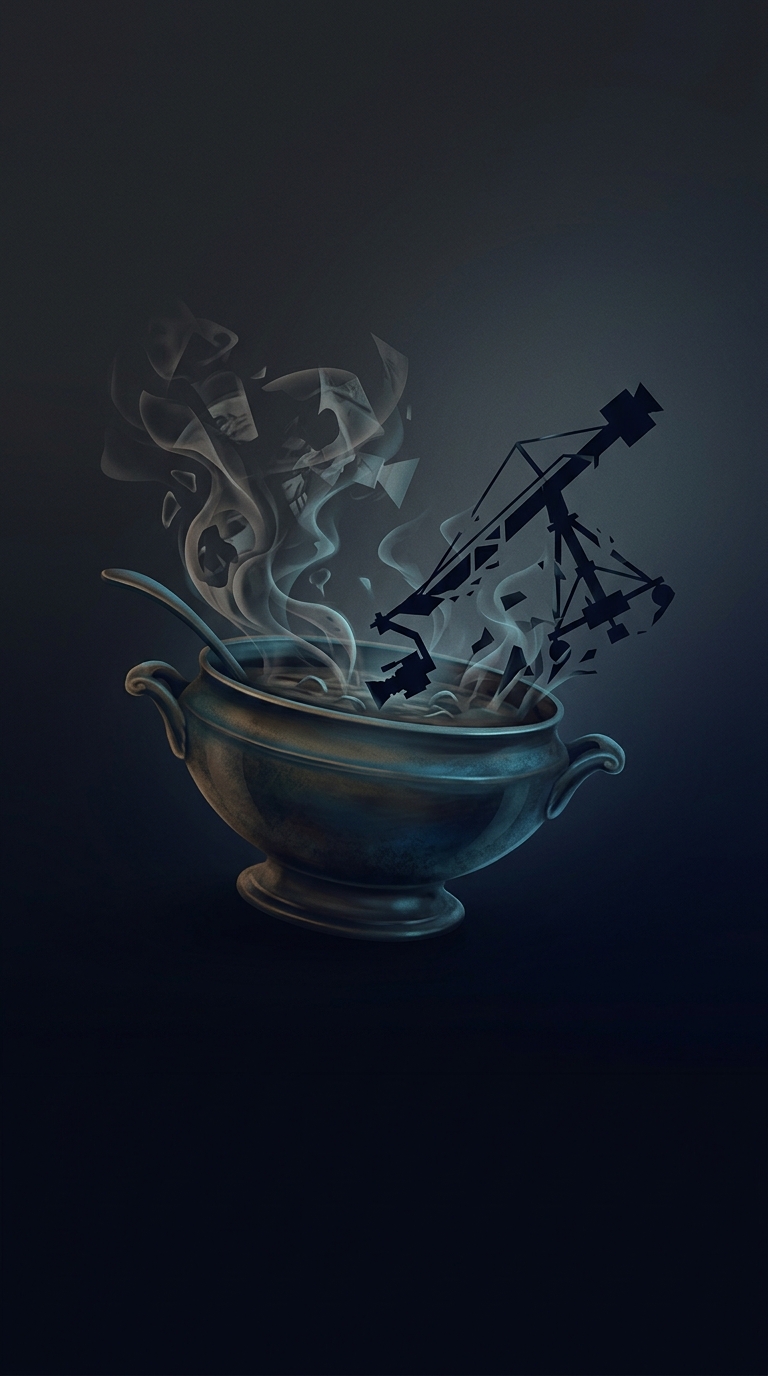
The incident’s lasting image is not a spectacular effect or a scene from the ship. It is a routine bowl of soup becoming the point where an enormous production had to stop and attend to the people making it.