How Iron Man Found Its Dialogue on Set
The first Iron Man began filming in 2008 before its screenplay was complete. That did not mean the actors arrived with no story to play; it meant the words and details of some scenes were still being worked out as production moved forward. Rather than wait for every line to be settled, director Jon Favreau and Robert Downey Jr. developed dialogue during filming.
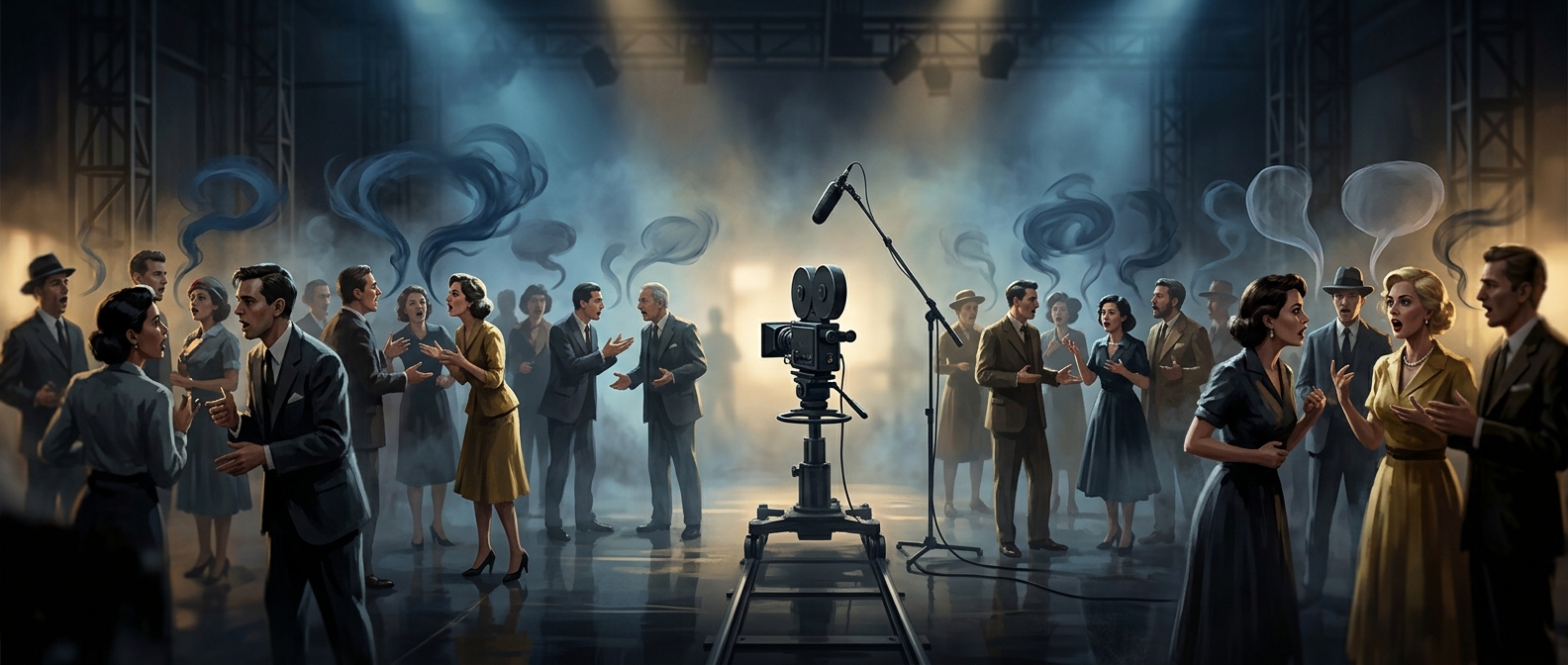
Jeff Bridges later recalled that the cast would gather in a trailer before shooting to figure out scenes on the fly. That kind of preparation turns a movie set into a temporary writing room: performers can test how a conversation sounds aloud, adjust a line to fit a character, and settle on a version the scene can use that day.
Improvisation Still Has to Serve the Movie
Making lines up in the moment is not the same as making the whole film without a plan. A scene still has to move the story forward and connect to what comes before and after it. The filmmakers therefore had to shape spontaneous ideas into material that could be filmed and fitted into the larger narrative.
Downey’s performance and Favreau’s direction made that flexible process workable, but it also meant decisions were being made close to the camera. The trailer gatherings Bridges described were a practical response to an unfinished script: a way to turn uncertainty on the page into playable scenes before the crew shot them.
The result is a reminder that a movie’s dialogue can emerge through collaboration, not just from a finished screenplay handed down to the cast. On Iron Man, some of the writing happened just before the cameras rolled.