Why Tony Stark needed more than a famous name
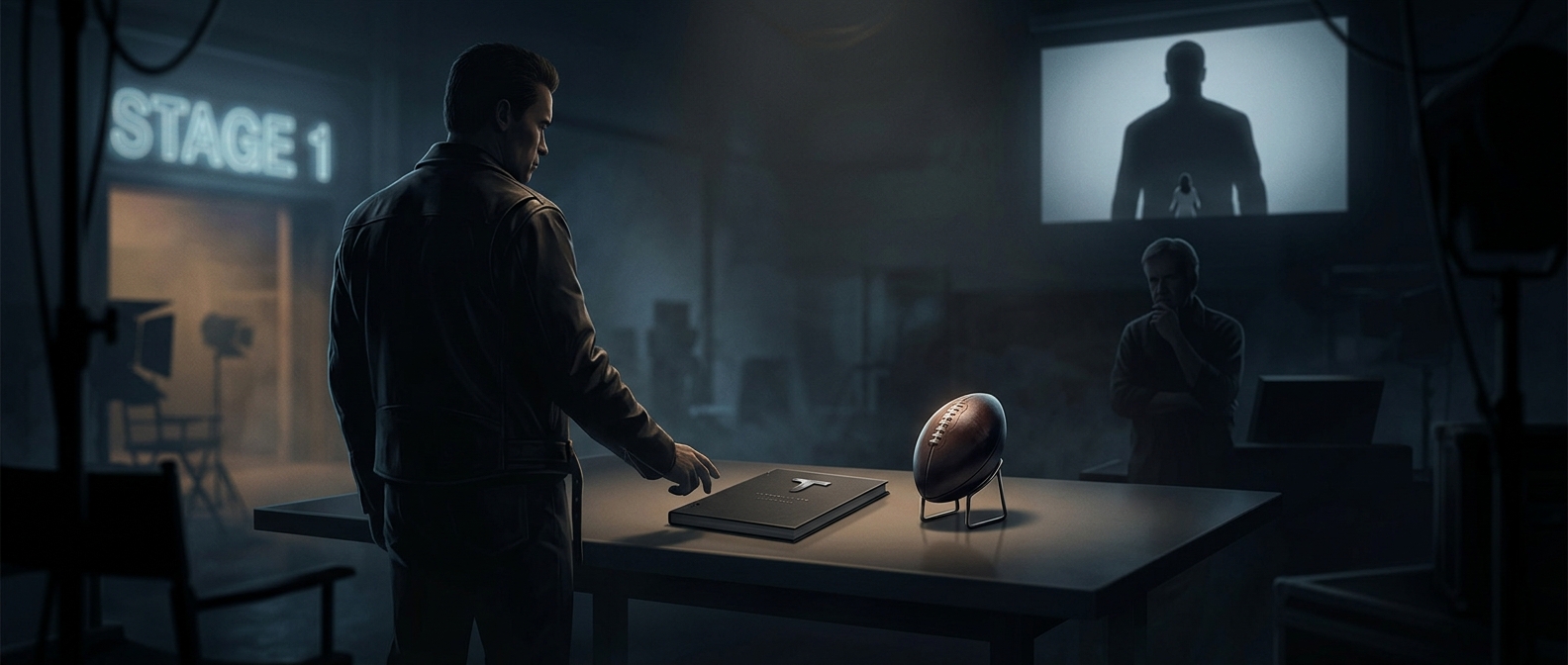
Tom Cruise’s interest in playing Tony Stark never became a commitment. The sticking point, according to the account behind this story, was the script: Cruise did not think the material was right for him. That distinction matters. A star can attract attention to a film, but a role this central has to persuade the actor that the character and story are worth carrying.
Stark was a difficult lead to get right. He begins as a wealthy weapons maker whose confidence and showmanship conceal the consequences of his own business. The story then has to make his change of direction believable, not simply give him a new suit and a heroic mission. The actor needed to make both the swagger and the reckoning feel like parts of the same person.
The gamble behind Robert Downey Jr.
Marvel Studios ultimately cast Robert Downey Jr., a choice that brought a different kind of risk. He was an accomplished actor, but his public struggles had made him a less predictable commercial bet than a conventional blockbuster star. Director Jon Favreau championed him, and the role gave Downey room to use quick humor and restless energy while gradually exposing Stark’s vulnerability.
That fit helped define the film’s tone: the hero could be funny and self-involved without the story pretending his flaws did not matter. Downey’s performance also gave Marvel a recognizable center as the studio began building connected films around recurring characters. Cruise’s departure did not by itself create that larger plan, but the eventual casting became inseparable from its success: the actor playing Stark was not just leading one origin story; he was helping establish the personality audiences would follow across a growing franchise.