How backstage audio can change the meaning of a reality-TV scene
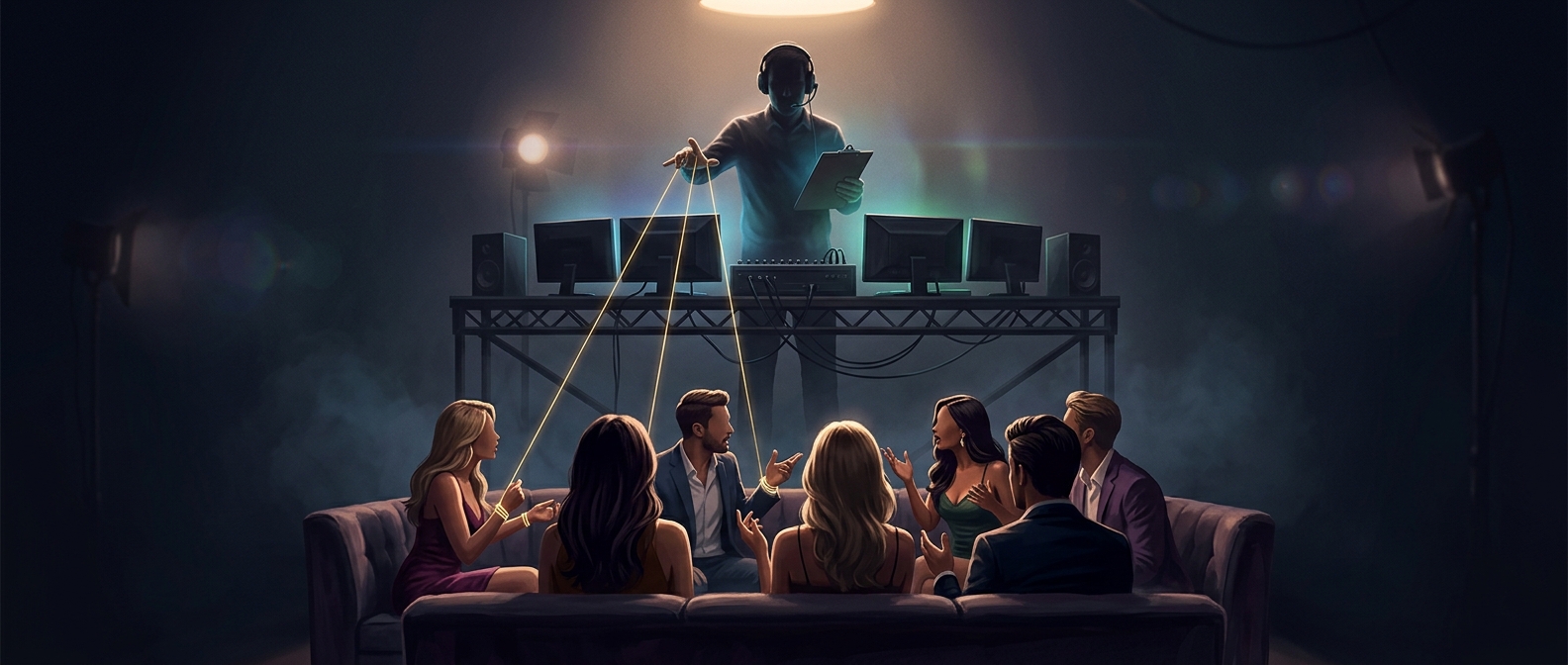
A reality show can use real people and real reactions while still shaping what viewers see. Producers choose situations to film, invite cast members to revisit conflicts, and edit hours of footage into a sequence with a clear build and payoff. The result may feel spontaneous even when the path to a dramatic moment was partly arranged.
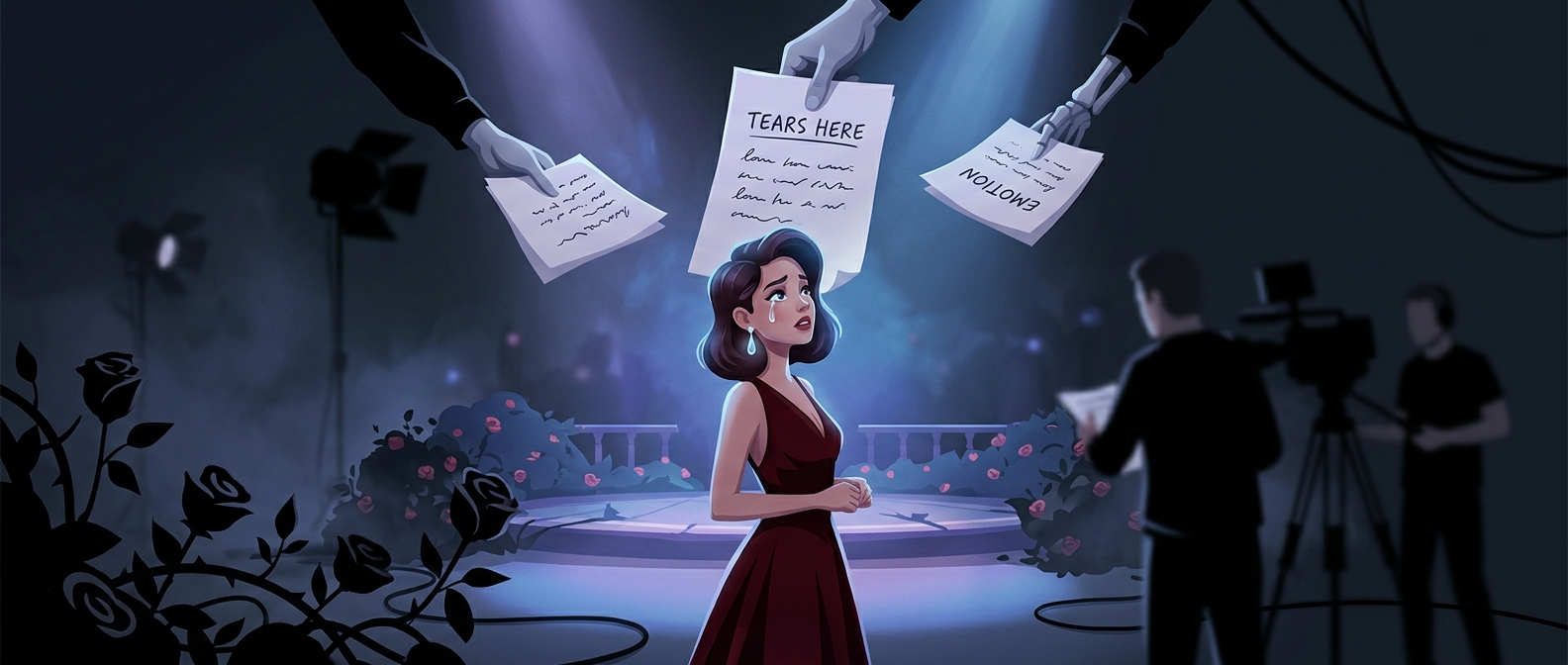
Leaked backstage audio reportedly captured cast members coordinating fights and emotional scenes. That matters because it can move the apparent source of a scene: instead of a conflict unfolding on its own, viewers may hear participants discussing how to stage or heighten it. The audio does not merely reveal what happened off camera; it changes how the on-camera moments are interpreted.
Editing depends on a contract with the audience
Reality television is not a documentary record of every event. Editing compresses time, selects reactions, and leaves out context. Viewers generally accept that shaping, while expecting the central drama to arise from genuine events or feelings. Coordination can unsettle that expectation, especially when a scene is presented as an unplanned confrontation.
The distinction is not always simple: people can plan a scene and still feel real anger, embarrassment, or hurt. But once backstage discussion becomes part of the story, the audience has reason to reconsider whether a dramatic exchange was spontaneous, performed, or some mixture of both.
The leak becomes part of the show’s story
A program built around apparent access to private emotion depends on viewers believing that the camera has caught something consequential. Audio from behind the scenes exposes the production process that usually stays invisible—and can make the audience watch the same confrontation as performance rather than discovery.