Small failures make survival drama easy to follow
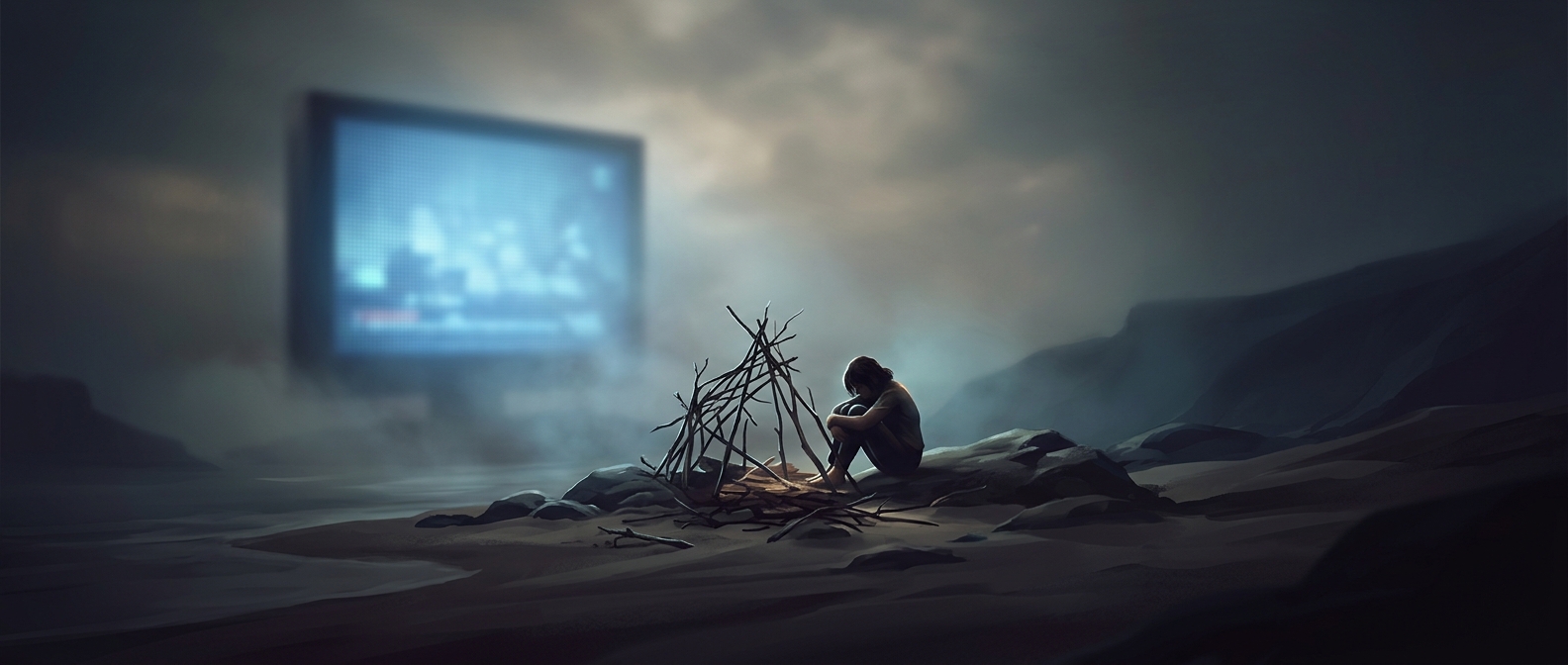
A survival challenge turns a huge, unfamiliar problem—living outdoors—into a sequence of legible tests. Can someone get a flame going? Can they open food, make shelter, or keep their balance? Each attempt has a clear goal, and each setback changes what the contestants can do next. Viewers can understand the problem almost instantly, then watch to see whether the next idea works.
That structure also makes failure unusually satisfying to observe. A viewer is safe, warm, and outside the contest, while the person on screen has to deal with the consequences. The gap invites armchair schadenfreude: pleasure at another person’s misfortune, softened by the fact that the trouble is temporary and can be funny. It can also prompt a private test of judgment: Would I have tried a different approach?
The tension comes from not knowing what a mistake will cost
A wet match or an uncooperative piece of food is more than a comic obstacle when supplies and energy are limited. A failed attempt can mean less time or strength for the next task. The challenge is compelling because the outcome is uncertain, but the rules are simple enough for an audience to track. Viewers can anticipate a solution without knowing whether the contestant will find it.
The people matter as much as the task. When one person stays calm and another grows frustrated, a practical problem becomes a small character test. Viewers judge the choices, notice who adapts, and compare those reactions with their own imagined response.
That combination—clear goals, visible mistakes, and low risk for the audience—lets a minor setback carry real suspense. The island supplies the obstacles; the gap between watching and having to cope supplies the comfort.