The setup can be planned even when the reaction isn’t
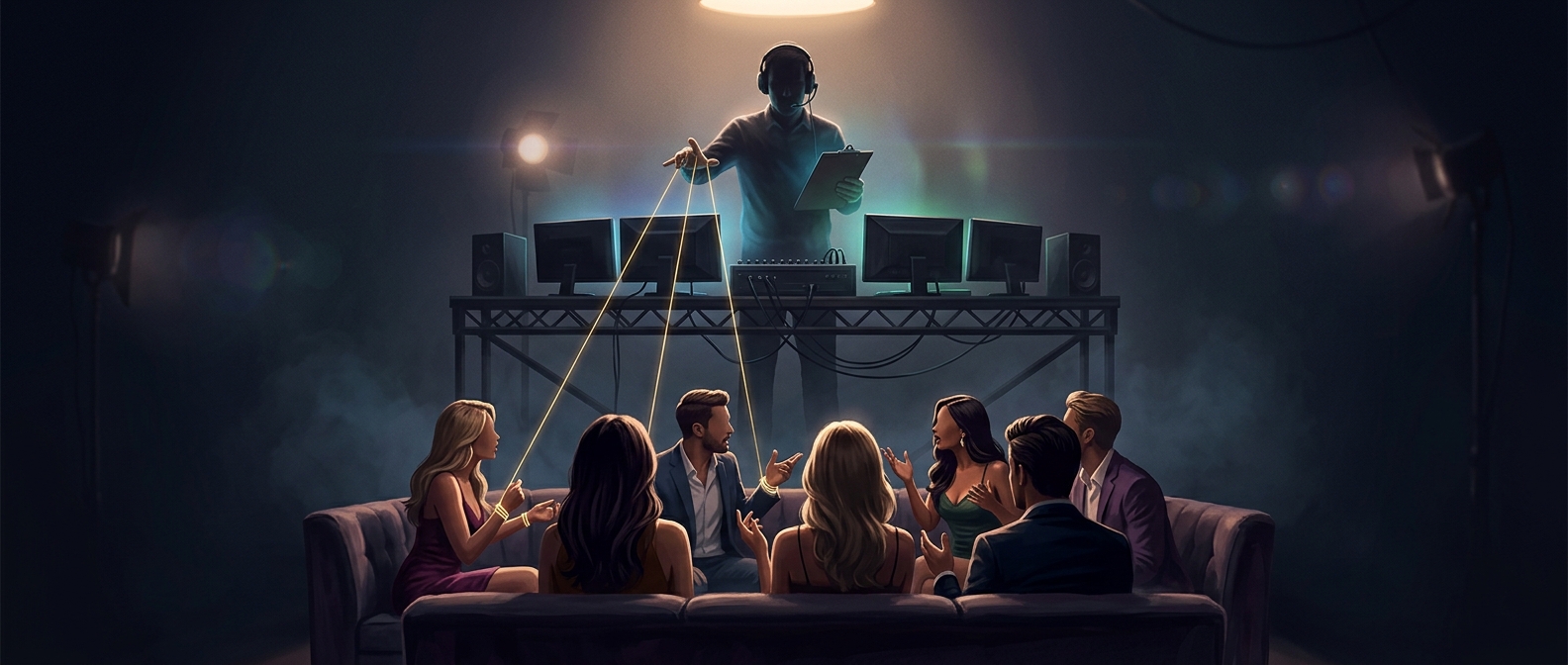
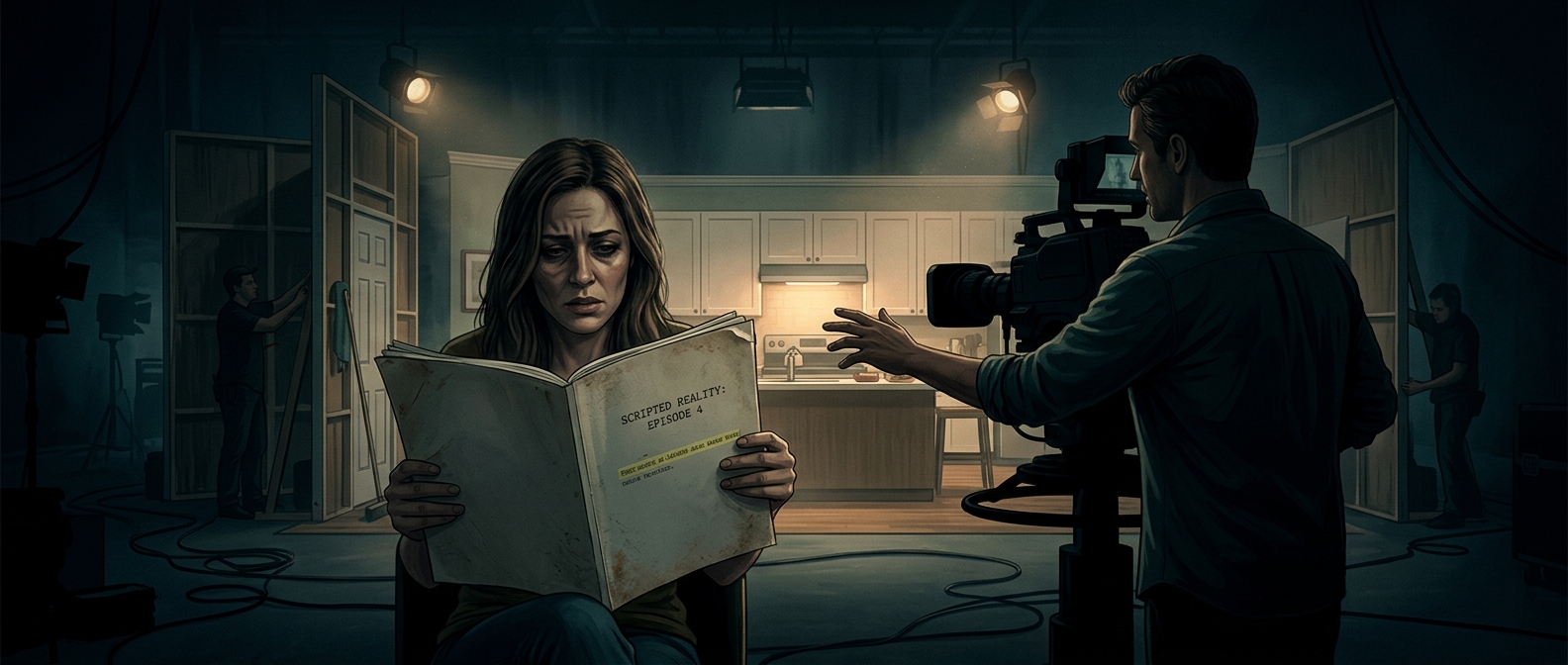
Reality television often gets its “real” feeling from a split between controlled circumstances and unscripted responses. Producers may bring cast members together, ask them to revisit a disagreement, or put them in a situation likely to create tension. That shapes what can happen without requiring anyone to memorize lines. Participants still choose their words, and their irritation, awkwardness, or surprise can be genuine—even though the encounter was arranged for filming.
This is why “scripted” can be misleading. A scene may have a planned setting or prompt but no fixed dialogue. Producers can also ask people to explain what they were thinking afterward, giving editors clearer material to connect events and reactions.
Editing turns moments into a story
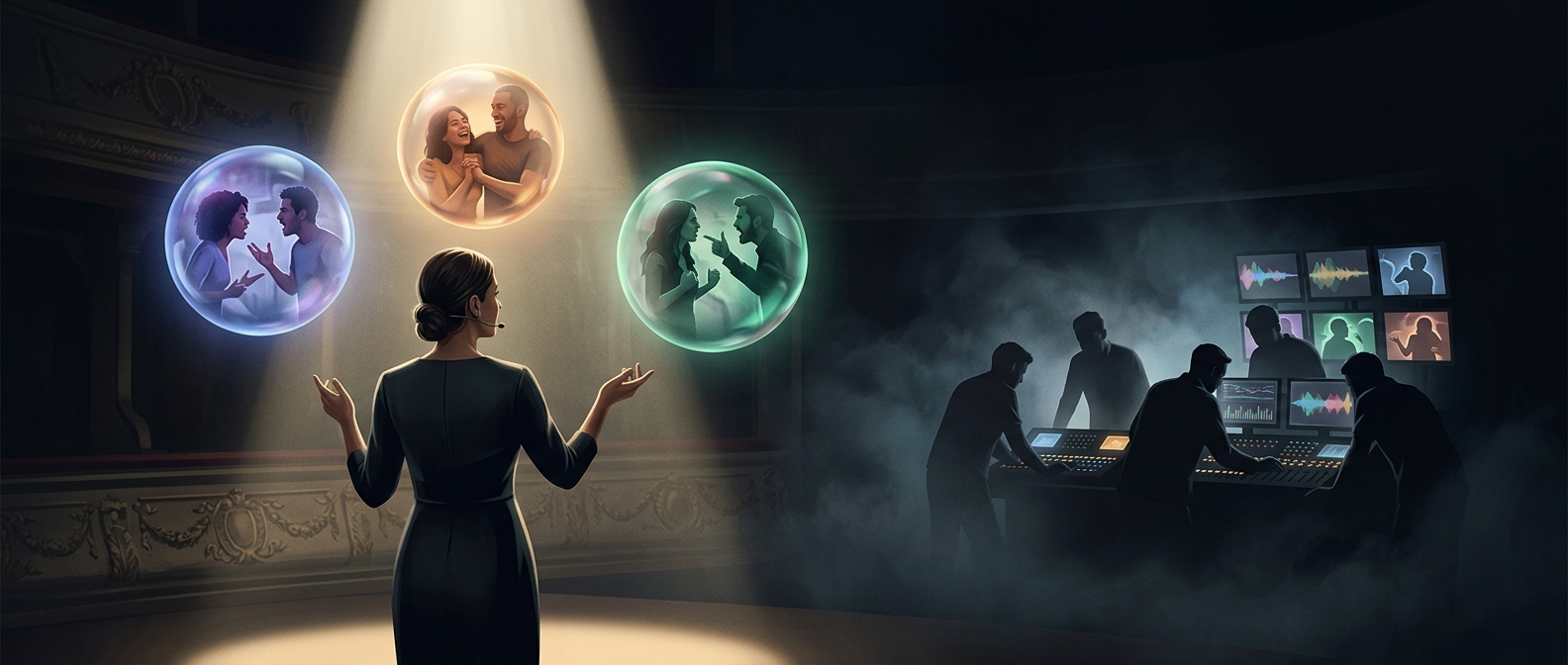
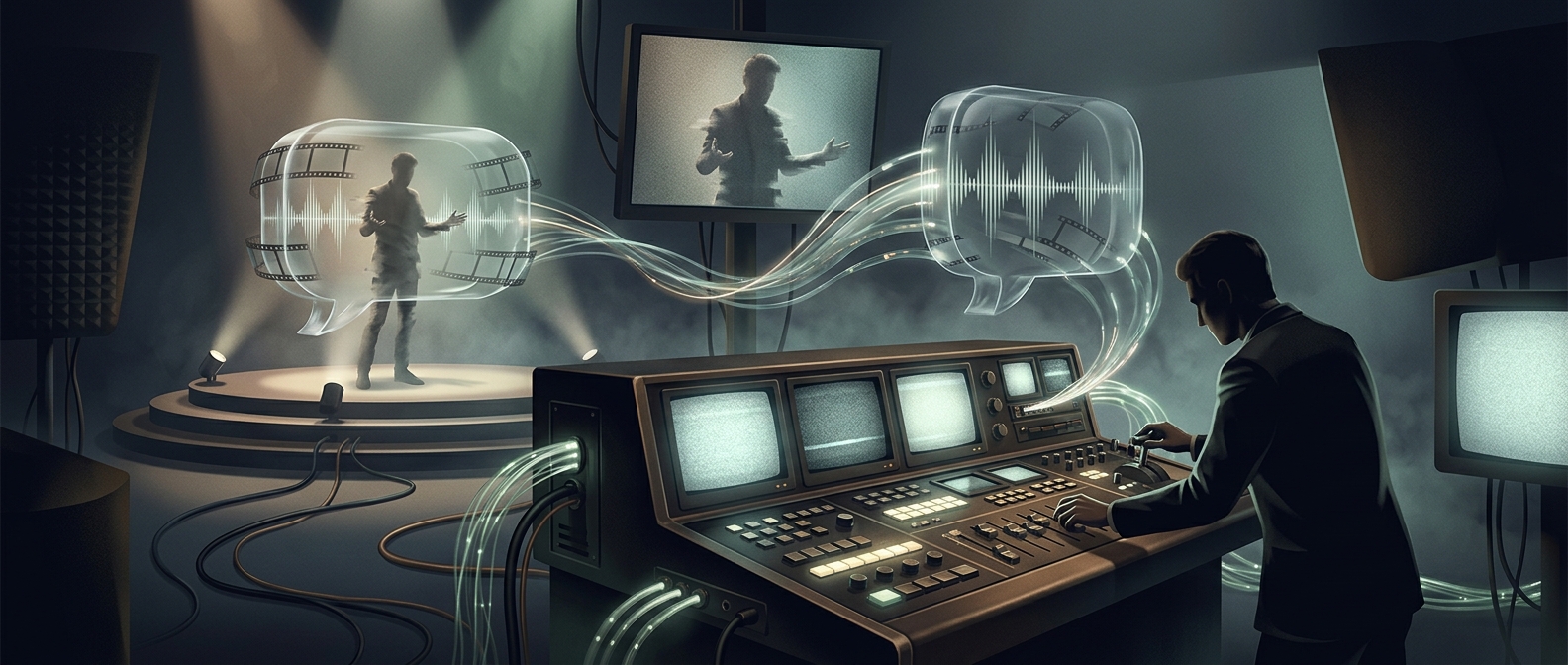
A filmed encounter is only raw material. Editors choose which reactions to show, where to cut, and how to arrange events. A pause can make someone seem evasive; a reaction shot can suggest a response to a remark even if it was filmed at another moment. Music and selective context further guide how viewers interpret the scene.
The result can feel immediate because the people on screen are responding in their own voices, while the production has quietly shaped the circumstances and the version of events viewers see. The drama may be real as an experience, but the scene’s timing, framing, and meaning are not simply captured untouched.