How Editing Can Build a Conversation That Never Happened
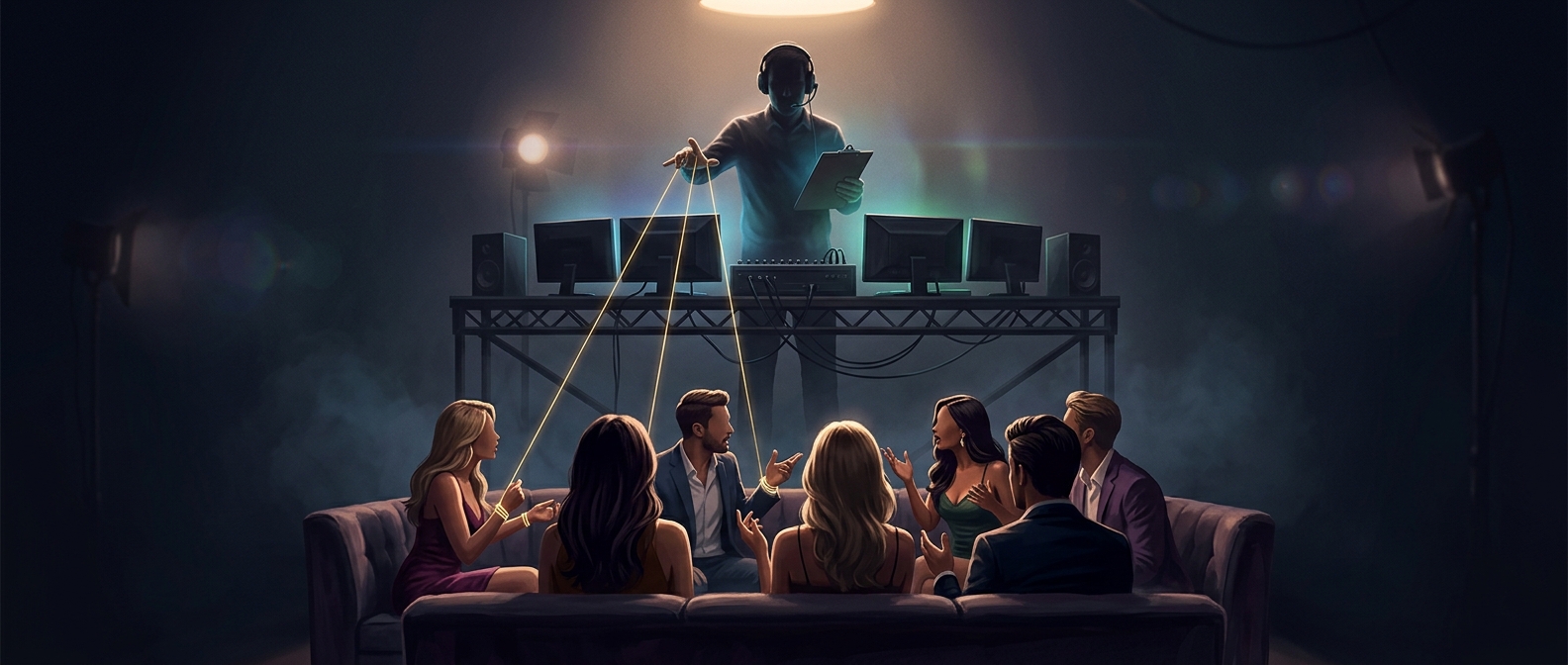
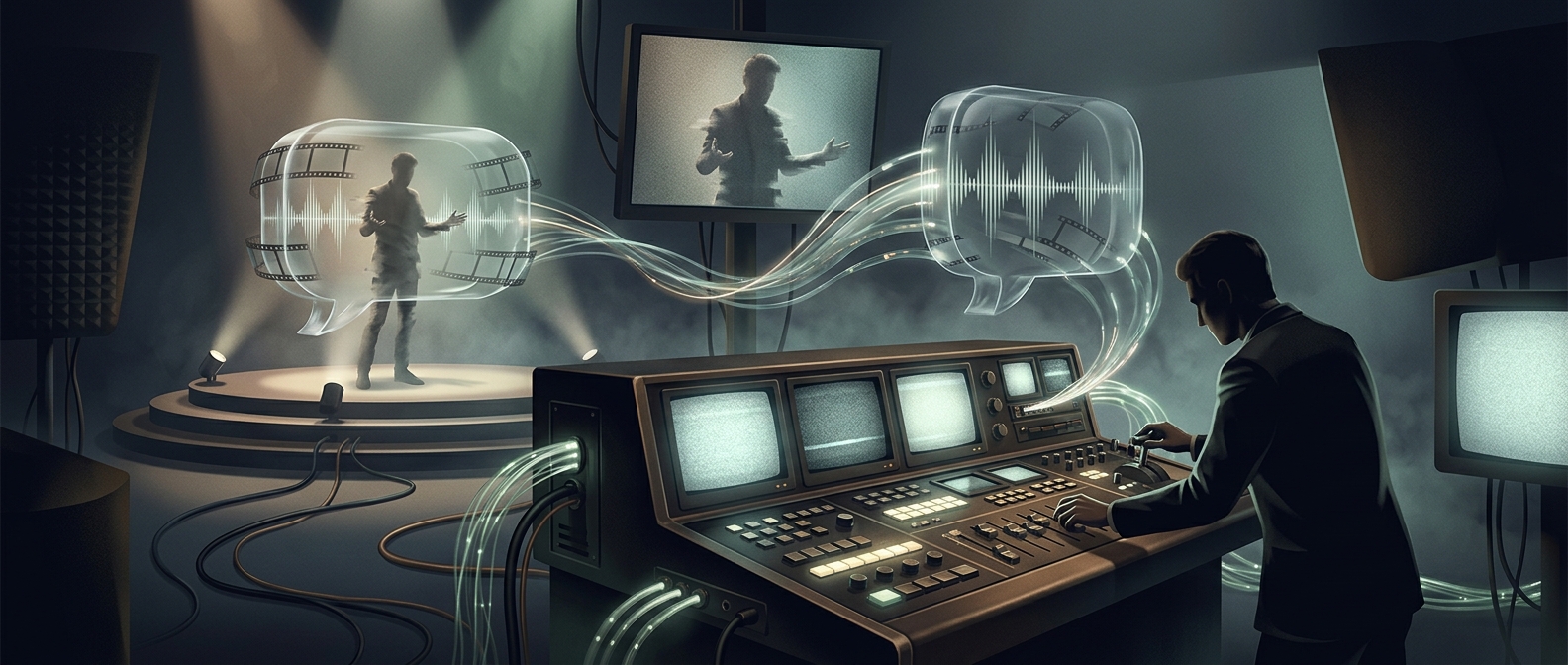
A reality-show exchange does not have to come from one uninterrupted conversation. Editors may take a remark recorded on one day and pair it with a response filmed later, arranging the clips so one person appears to answer the other. The finished sequence can feel like a single argument even though the participants were not speaking to each other in that order—or at the same time.
The Pieces That Make the Scene Feel Continuous
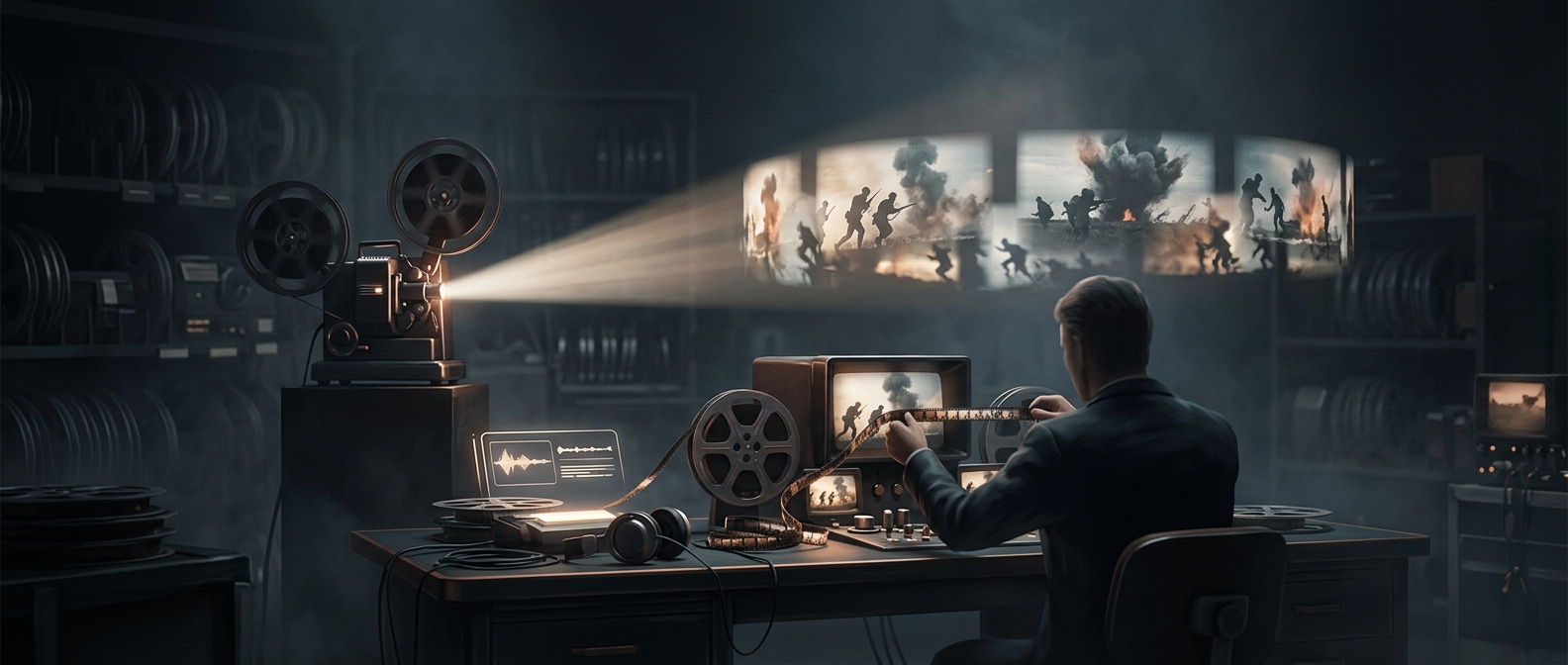
The trick relies on familiar editing tools. A shot of someone listening can be placed between two lines, even if that reaction was filmed during another moment. A cut to a face, a pause, or a change in music can suggest tension and give the audience time to interpret a remark as a challenge. Editors can also trim away the surrounding words that would reveal what a comment was originally about.
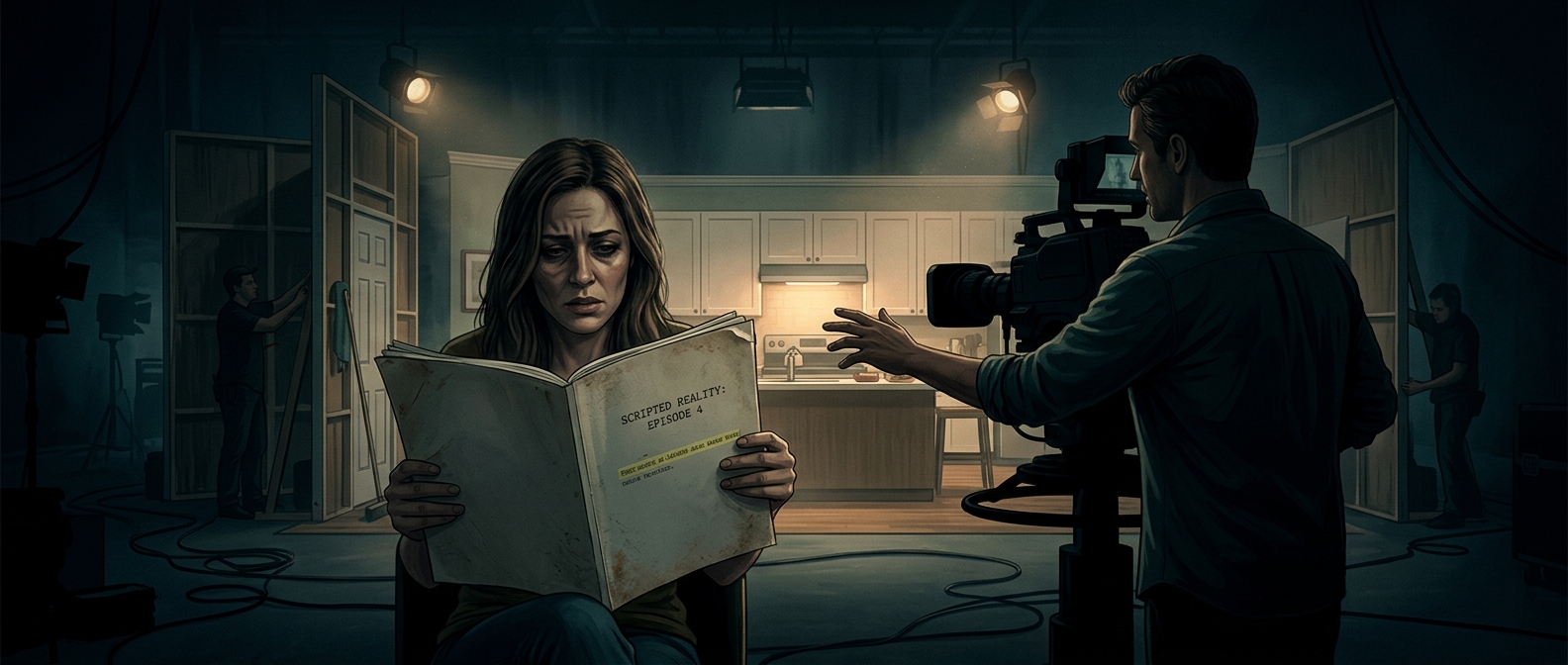
In reality television, footage may be recorded across long stretches of time, while an episode has limited room to tell a clear story. Reordering material can compress events and connect related themes. But the same process can change meaning: a joke can sound hostile, or a remark about one subject can appear to address another person’s accusation.
A Story Shaped in the Edit
A constructed exchange is not necessarily made from invented words. The participants may have said every line, while the apparent timing, target, and emotional progression come from the edit. That distinction matters because viewers often treat conversational rhythm as evidence: a quick reply seems spontaneous, and a reaction shot seems to show how someone felt in that instant.
The result is a scene assembled from real footage but not necessarily a real conversation. What appears on screen is therefore not just what was said; it is also the order in which editors chose to let the audience hear it.