The pause became the cue
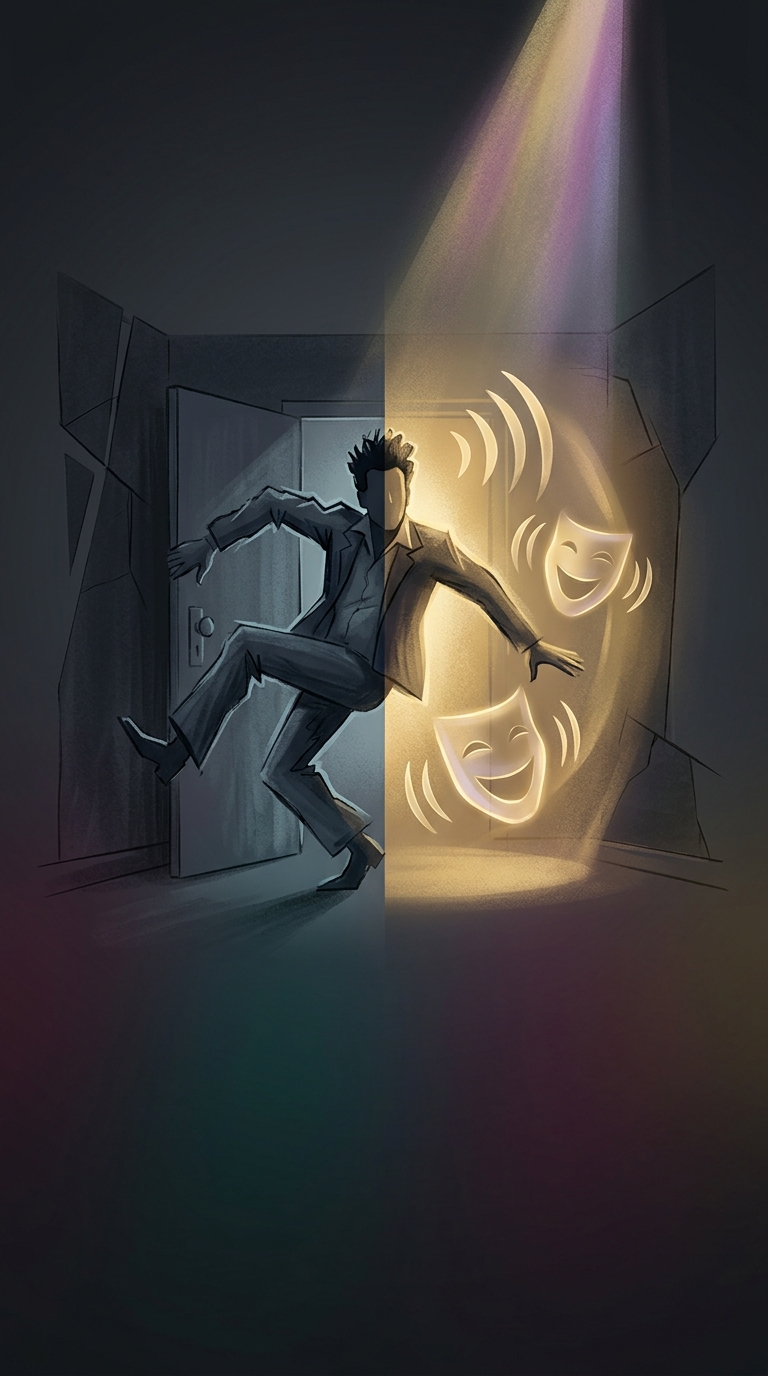
Without a recorded laugh telling viewers that a joke had landed, many single-camera comedies relied on performance and editing to make the punchline legible. Actors leave a beat after a line, hold a look, or react to what someone has just said. That small pocket of silence gives the joke room to register—and gives the audience a natural moment to laugh.
The cue is not a command so much as a rhythm. If the next line arrives instantly, viewers may miss the punchline; if the pause stretches too long, the scene can feel stalled. Editors shape that timing by deciding when to cut to a listener’s face, when to stay on the speaker, and how quickly the dialogue resumes.
Reactions do the work a laugh track once did
A reaction shot—a brief view of another character responding—can underline the absurdity without spelling it out. A deadpan stare may signal that a line was deliberately outrageous; a suppressed grin can tell viewers that a character knows how ridiculous the situation is. The cast’s responses become part of the joke and help the audience find its timing.
This approach leaves more room for quiet, awkward, or understated humor than a constant burst of canned laughter would. The audience still gets guidance, but it comes from the scene itself: a held beat, a glance, or the instant everyone on screen realizes what was just said.