The Movie Clip That Became the Joke
The prank works because it borrows the rhythm of a standard late-night interview. Paul Rudd appears on Conan O’Brien’s show to promote a project, and the conversation turns toward a clip from his new movie. The setup encourages viewers to expect a fresh preview—then the screen instead shows the same moment from Mac and Me, the 1988 science-fiction film often compared to E.T. In the scene, a child in a wheelchair rolls down a slope and into a lake.
That sharp mismatch is the punch line. The more confidently the segment presents the clip as something new, the more absurd its familiar return becomes. The gag depends on recognition, not surprise: viewers who have seen it before get to anticipate the switch, while newcomers discover that the “preview” is not a preview at all.
Repetition Turns a Prank Into a Ritual
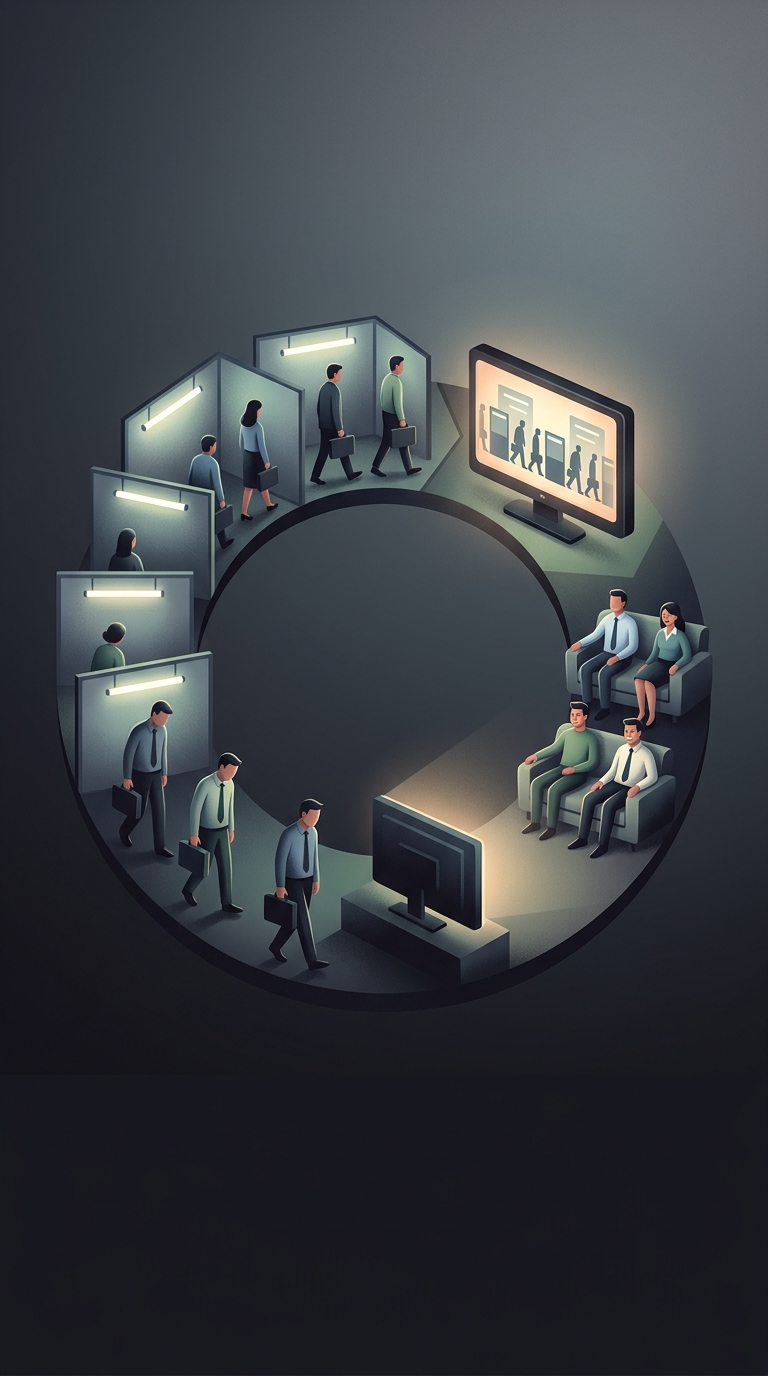
A one-time bait-and-switch would be a quick joke. Repeating the same one over many years changes its role: the audience begins to watch for the prank itself. Rudd’s promise of a new clip becomes a cue, and the old footage becomes the expected payoff—even though the setup still pretends otherwise.
That reversal gives the bit its staying power. In a format built around promoting whatever a guest is currently making, the joke refuses to deliver the usual promotional material. Instead, the interview’s familiar machinery—the introduction, the tease, the screen—becomes part of the comedy. By the time the clip appears, the scene from Mac and Me is no longer just an odd movie moment; it is the recurring punch line viewers came to see.