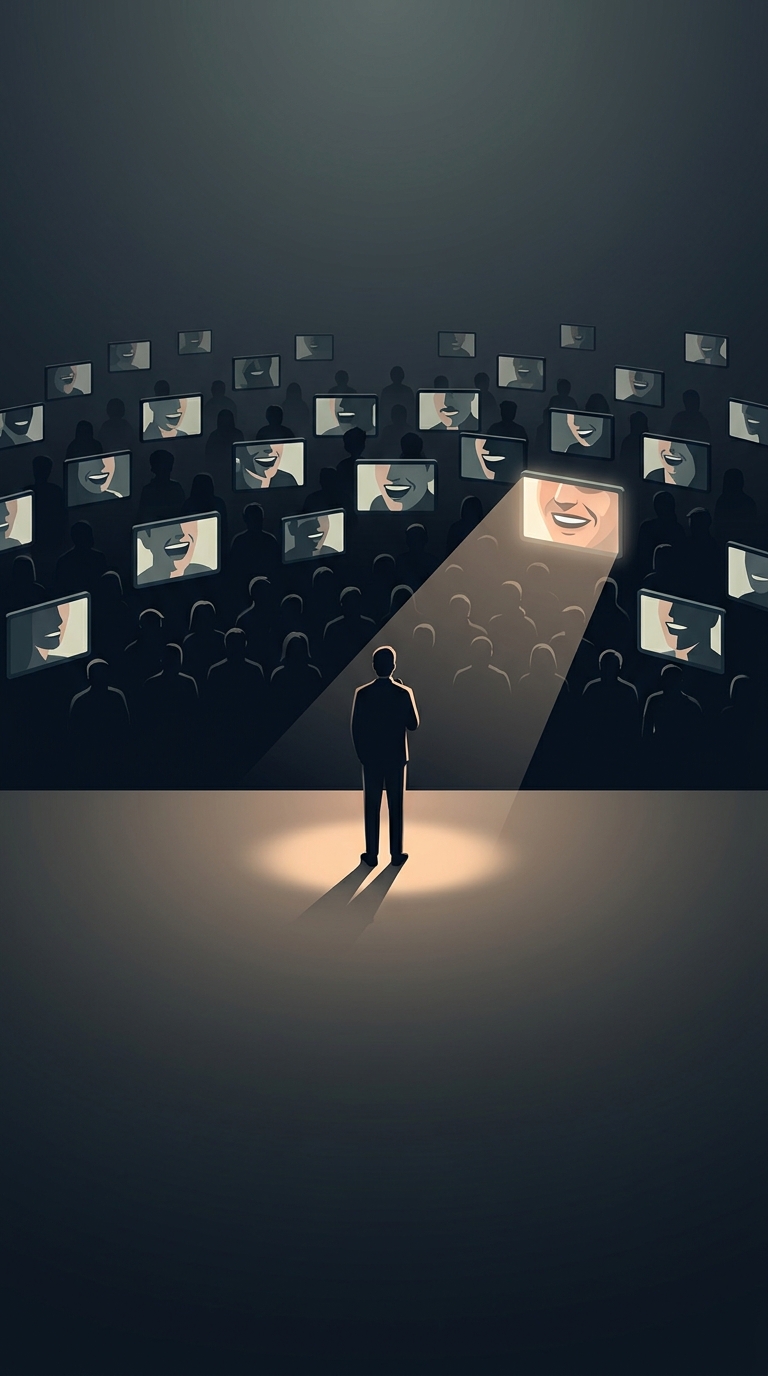
The audience is part of the scene
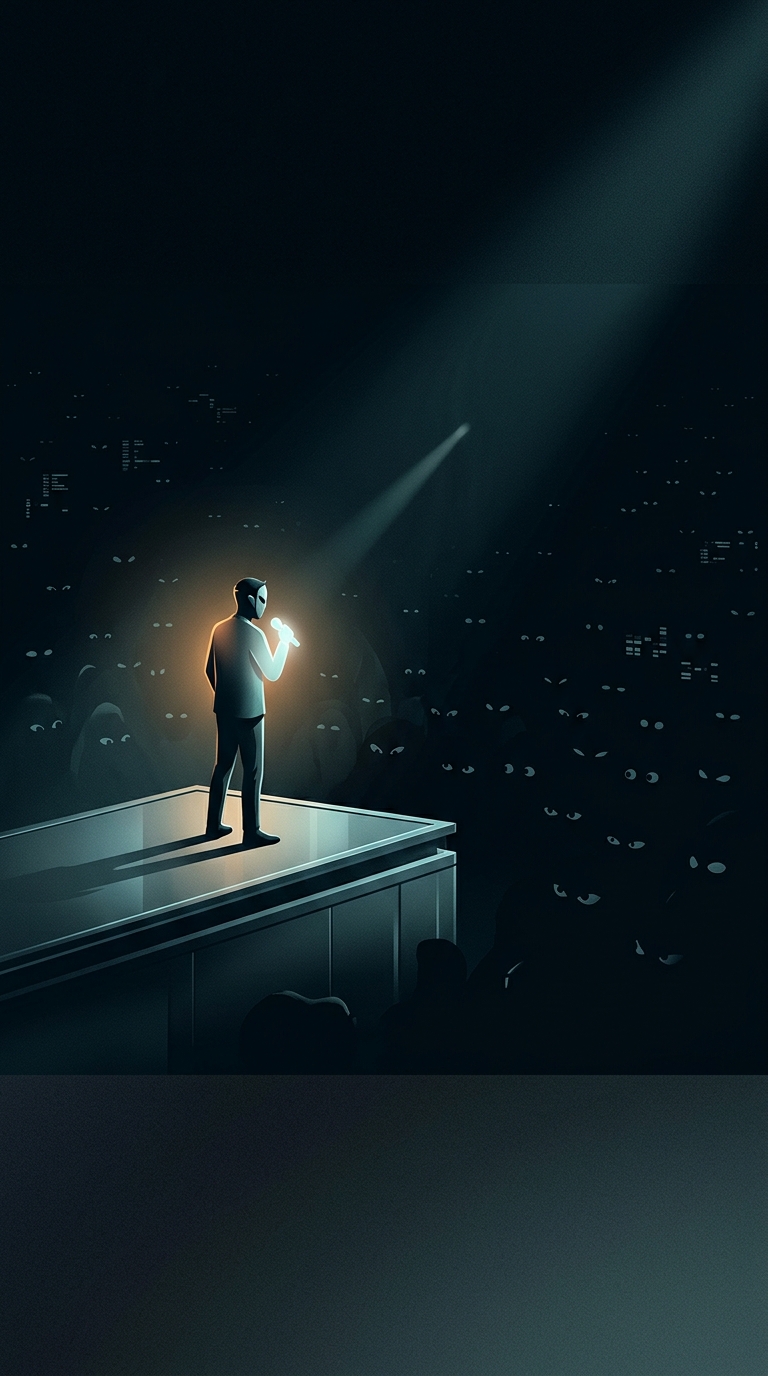
A stand-up special is built around a performer speaking to a room, but the room’s response helps tell viewers how the performance is landing. A cut to someone laughing makes an otherwise off-screen reaction visible. It can turn a punchline from a line heard in a theater into a shared moment the home audience can see.
That reaction shot also supplies social context. Laughter is contagious in groups: seeing other people respond can make a joke feel like part of a communal event, rather than a one-way address to a camera. The shot doesn’t prove every viewer will find the joke funny; it shows what happened in that room.
A reaction shot is an editing tool
Specials are filmed with multiple cameras, giving editors options beyond a continuous view of the comic. They can move from the performer to a laughing face, then back to the stage. Those changes add visual variety and can keep a long stretch of mostly one person talking from feeling static.
Audience footage can also help smooth the finished edit. If the show is assembled from different camera angles or takes, a cutaway may cover a change in the picture while preserving the sense of a continuous performance. The audience reaction is real footage from the room, but its placement is a choice: editors decide which faces to show and when.
Why the faces can feel “random”
The people on screen are not necessarily being singled out for a special reason. A useful shot may simply be a clear, expressive reaction that fits the moment. But each cut briefly redirects attention from the comedian to a spectator—and a reaction shown after a joke can influence how viewers read that joke.
That’s why audience cutaways are more than decoration. They make the crowd visible, help shape the special’s pace, and let editors present laughter as part of the performance itself.