Darkness Turns a Roomful of People Into One Listening Audience
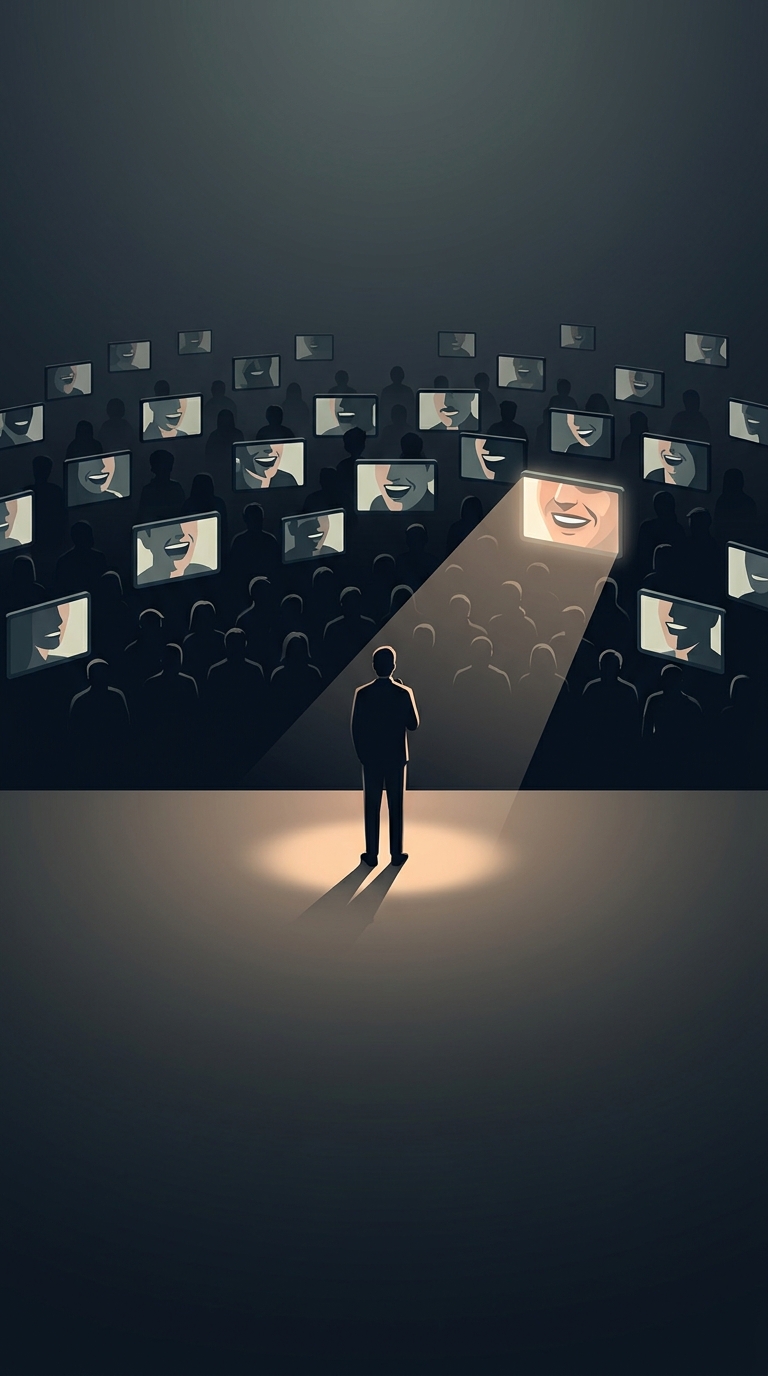
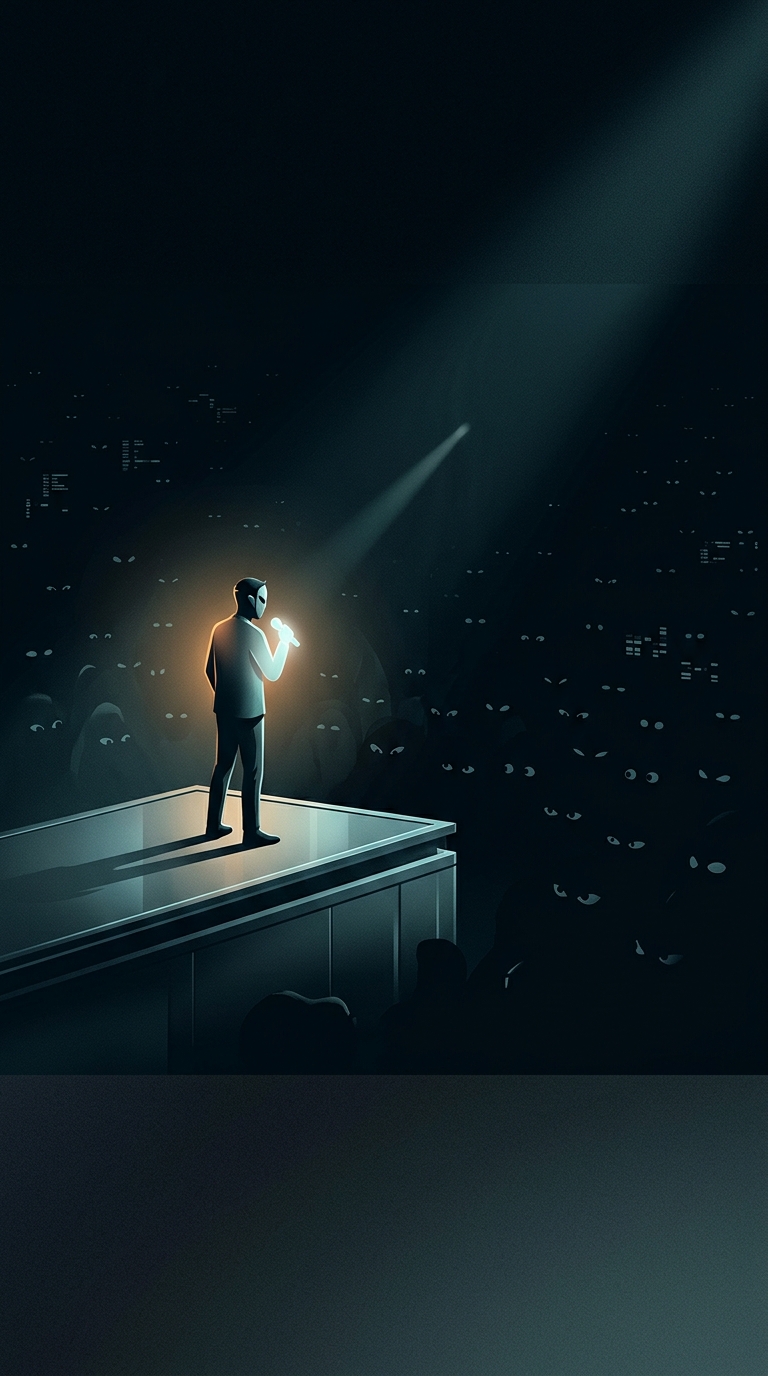
In a filmed stand-up special, the stage is the picture; the audience is largely the sound. Keeping the crowd in darkness makes the performer the clear visual center, while laughter still tells viewers at home how a joke landed. The room feels full without competing with the person telling the story.
The contrast also changes how the performance reads. A brightly lit crowd can pull attention toward individual faces, reactions, or movement. Dim seats keep those details from becoming a second show, so viewers follow the comedian’s expressions, pauses, and timing.
The Crowd Still Matters—Just Differently
Stand-up depends on live response. Laughter gives a comedian feedback, affects the rhythm, and helps a filmed performance feel shared rather than recited. The audience’s darkness doesn’t erase it: microphones capture the room, and the laughter remains part of the special’s sound.
Low light can also make a large venue feel more intimate. Instead of watching a performer address a visible sea of strangers, the viewer can feel closer to a single exchange between comedian and crowd. The audience is present as a collective reaction, not as a row of faces.
A Visual Choice With a Practical Payoff
For the camera, a controlled pool of light simplifies the image: the comedian stays legible, and the background stays unobtrusive. The setup helps preserve attention on the delivery—the pauses, gestures, and shifts in expression that make a joke work on screen.
So the darkness is not merely atmosphere. It separates the roles of the room: the comedian supplies the image, while the audience supplies the response that makes the performance feel live.