Why a voice in your headphones can feel familiar
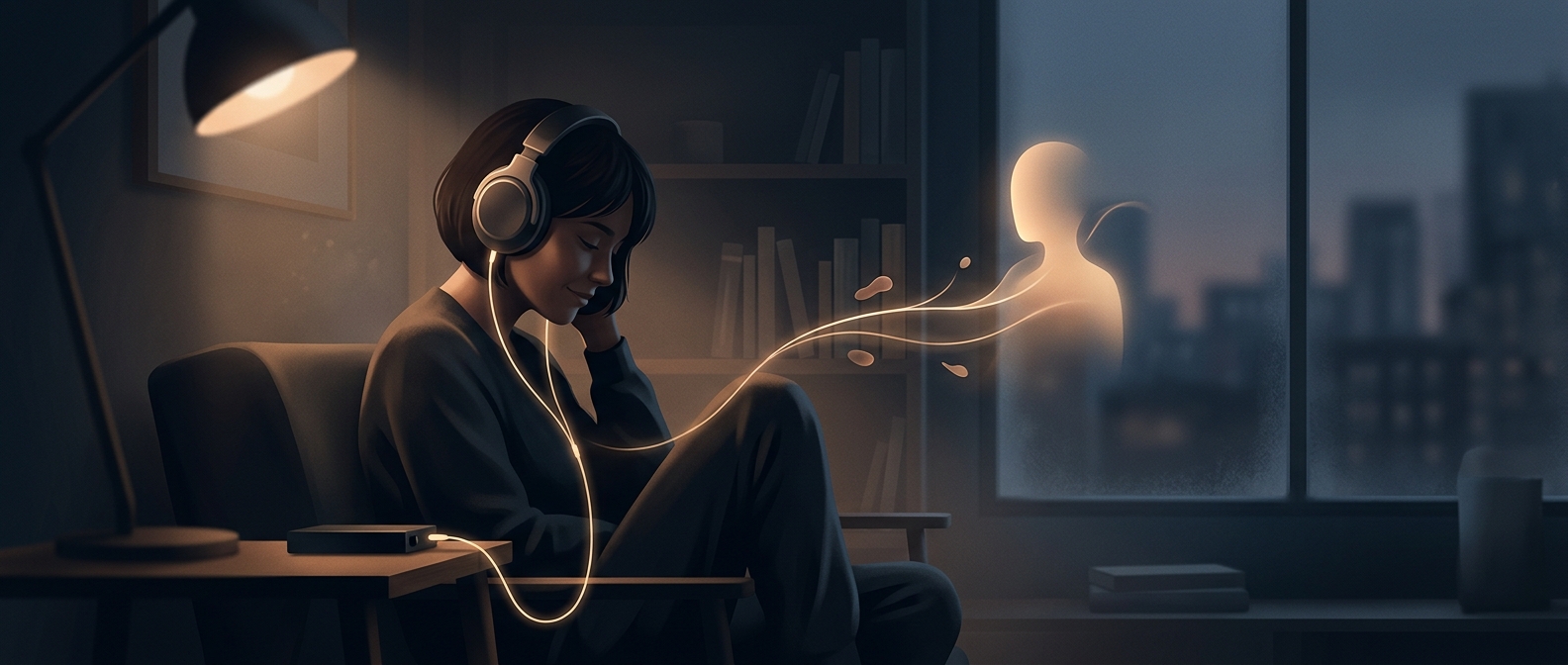
A podcast host may sound less like a performer addressing a crowd than a person talking beside you. The format helps create that impression: close-miked voices preserve small changes in tone, pauses, laughter, and other conversational cues. Hosts often speak in the first person, tell personal stories, and return to the same themes week after week. Listeners can come to recognize their rhythms and anticipate how they will react.
That familiarity grows through repetition. A host who accompanies a commute, chores, or bedtime becomes part of a listener’s routine. Because listening is often private, the conversation can feel personal even when thousands of others hear the same episode. The listener supplies the other half of the exchange mentally—agreeing, laughing, or imagining what they might say—though the host cannot hear or respond to them.
Familiarity without reciprocity
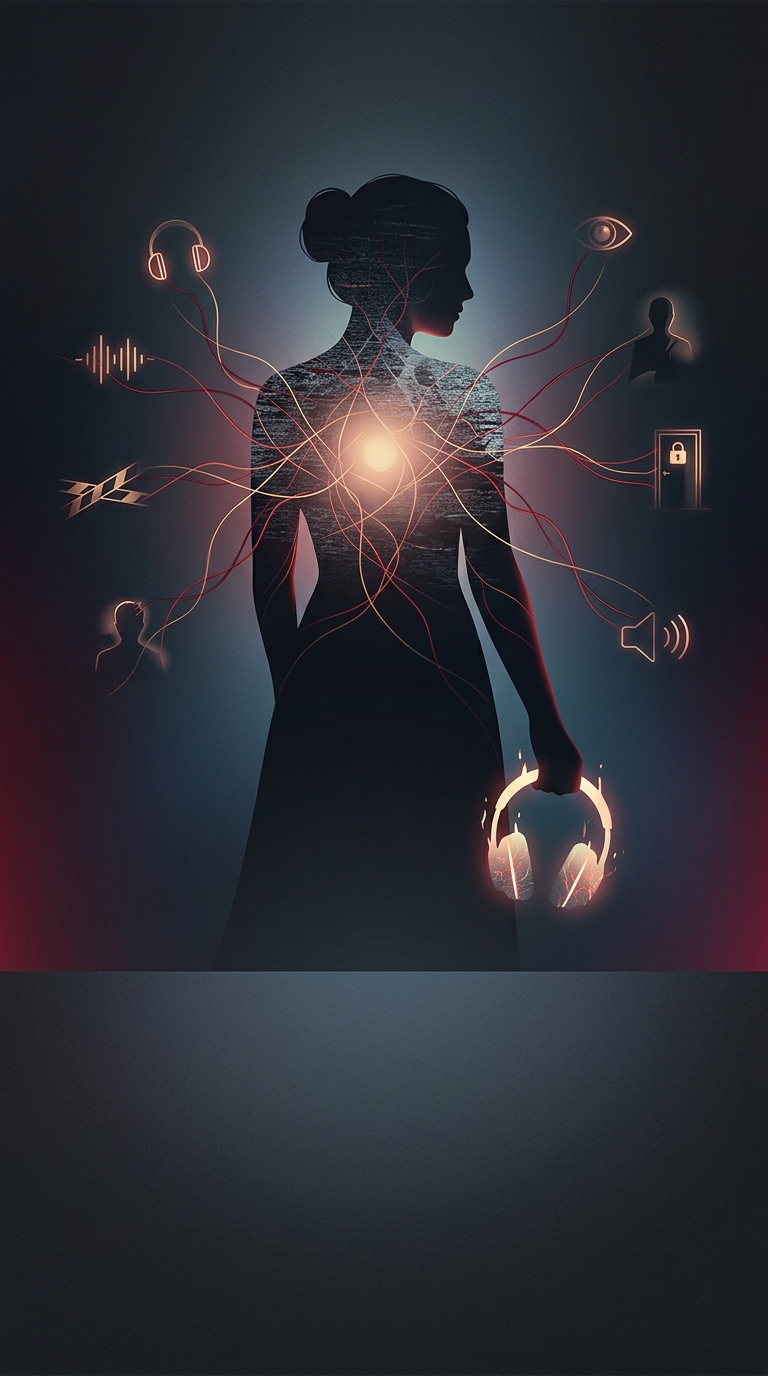
The feeling of closeness is real as an experience, but the relationship is not mutual in the ordinary sense. The listener may know a host’s opinions, anecdotes, and voice well; the host generally has no comparable knowledge of that individual listener. This imbalance is what makes the bond parasocial: it resembles social connection from one side, without the shared interaction that develops between friends.
That distinction does not make the attachment foolish or automatically harmful. A familiar voice can offer company, comfort, or a sense of routine. But it also explains why a host’s choices—such as changing the show, leaving, or sharing difficult news—can feel surprisingly personal. The listener has built a place for that voice in everyday life, even though the host has never occupied the same place in theirs.