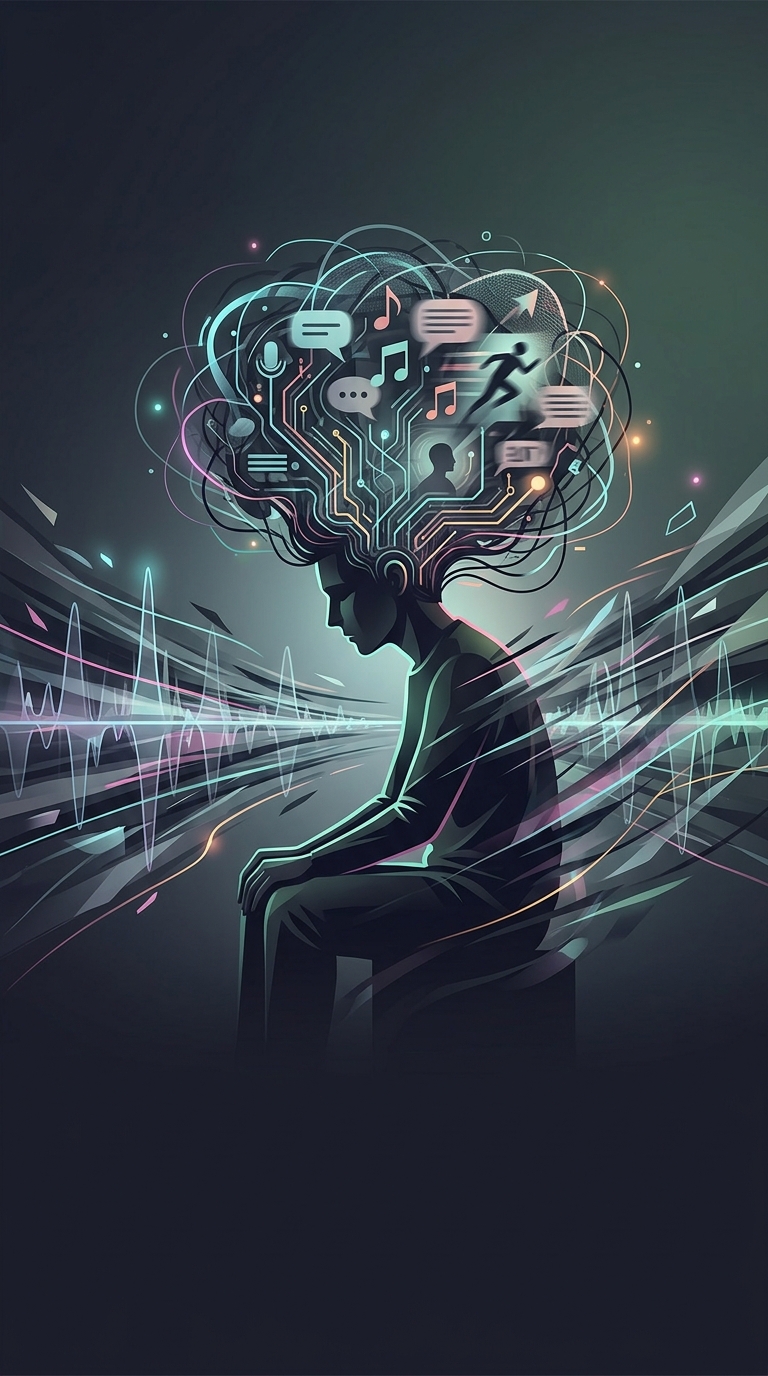
When Normal Speech Starts to Feel Slow
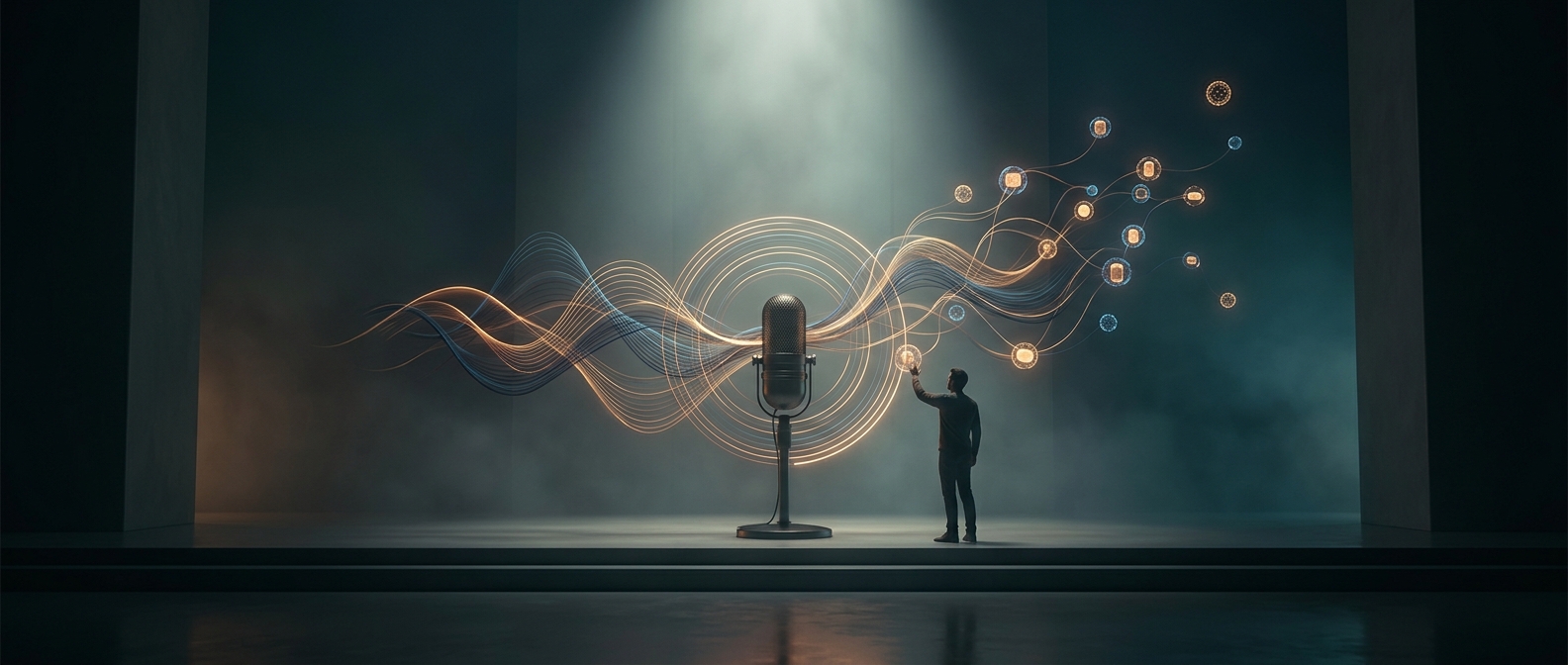
At double speed, a podcast’s pauses shrink and its sentences arrive in half the time. After listening that way for a while, ordinary conversation can seem unusually sluggish—not because other people have changed, but because the listener has temporarily adjusted to a faster pace of speech.
The brain is good at adapting to patterns. When audio is sped up, it still has to recognize words, connect them into sentences, and follow the speaker’s train of thought, only with less time between sounds. Once that brisk rhythm becomes familiar, speech at its original pace can feel as if it is dragging.
The Tradeoff Behind the Speed
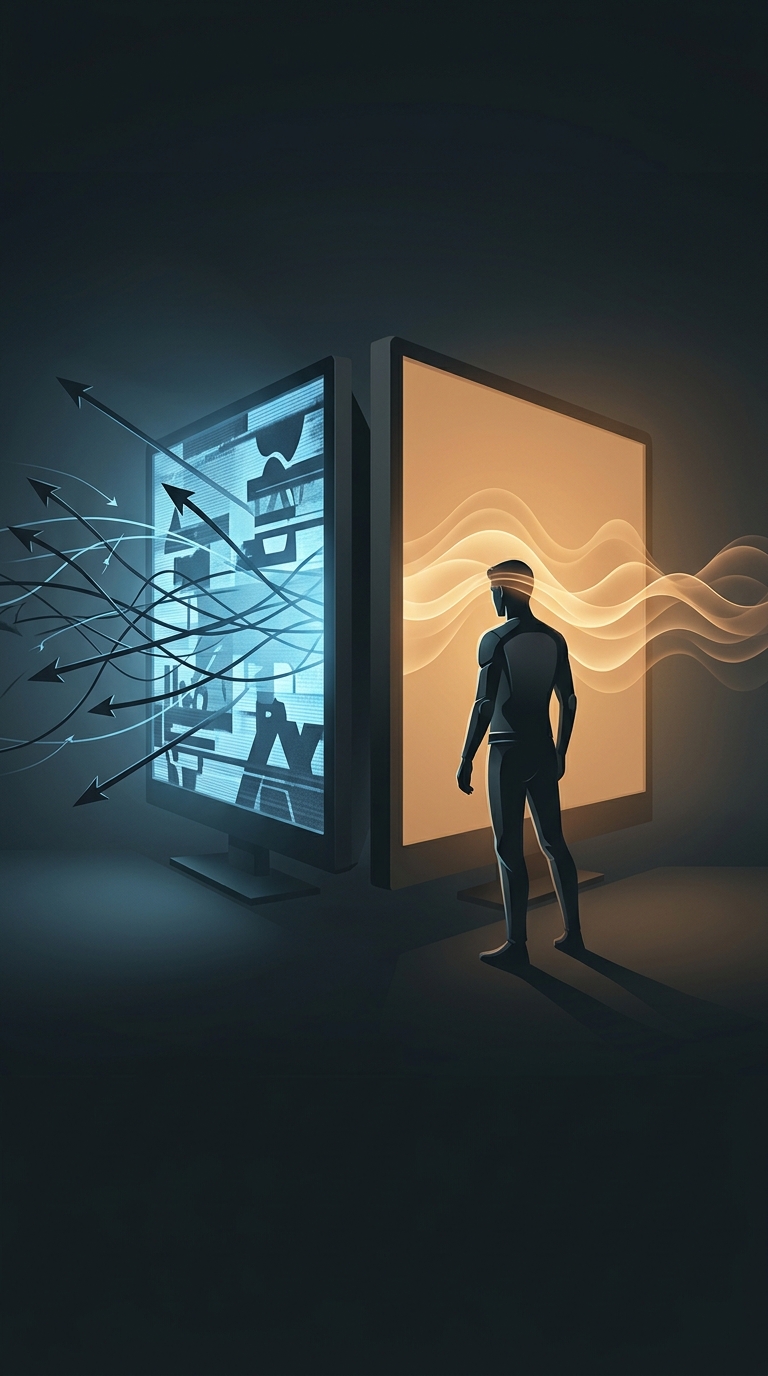
Two-times playback does not simply remove empty time. It compresses everything: pauses, emphasis, and the small gaps that help listeners absorb a point. Familiar material may remain easy to follow, while a dense argument or an unfamiliar voice can become harder to process. Listeners may also miss the deliberate pacing that gives a joke, warning, or emotional moment its effect.
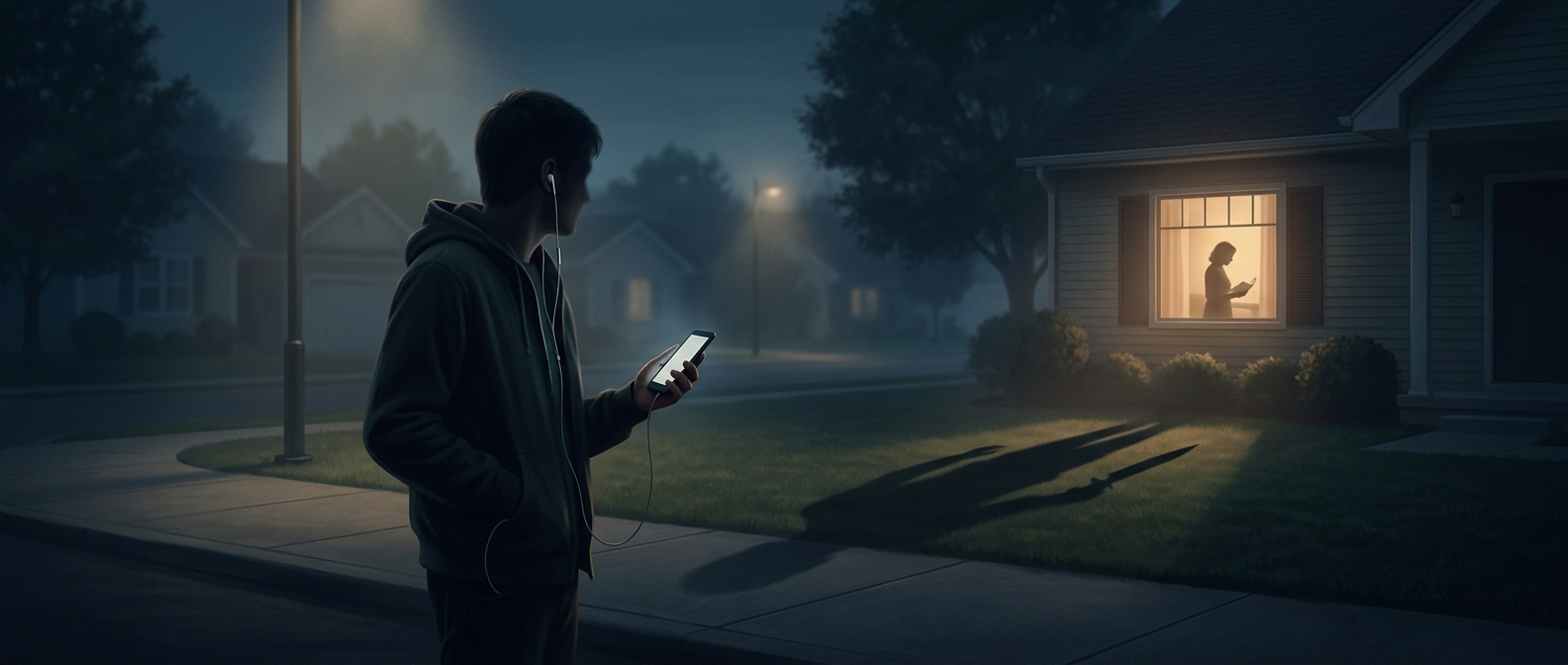
The odd consequence is a shift in what “normal” sounds like. A person can finish an audiobook quickly and then find a real-life speaker frustratingly slow. That feeling is a temporary contrast between two rhythms—not proof that conversation has become less efficient or that faster listening has permanently changed the brain. The next time someone pauses to choose a word, the pause may feel longer than it did before the headphones went on.