Podcasts Borrow Radio’s Sound—and Change Who Controls It
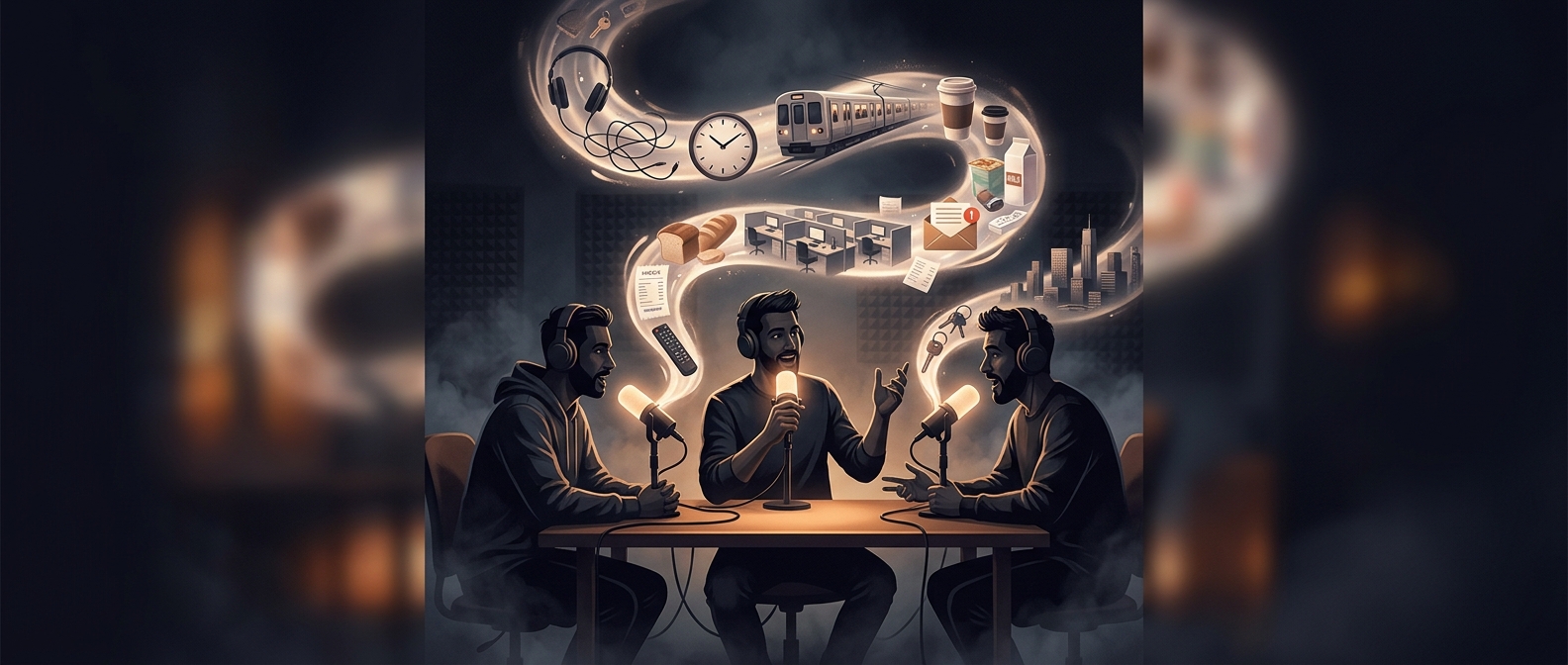
A host talking with a guest, a serialized story, a news bulletin: much of podcasting’s vocabulary was already familiar from radio. The transformation came less from inventing a new kind of sound than from changing how that sound reaches people. A broadcast asks listeners to tune in at a particular time; a podcast episode can wait in an app until someone is ready for it.
That shift changes the listener’s role. An interruption no longer has to mean missing the rest of a program: pause, leave, and resume later. Episodes can also be heard in sequence or revisited, making longer conversations and continuing stories easier to follow outside a fixed schedule.
The Feed Replaces the Broadcast Schedule
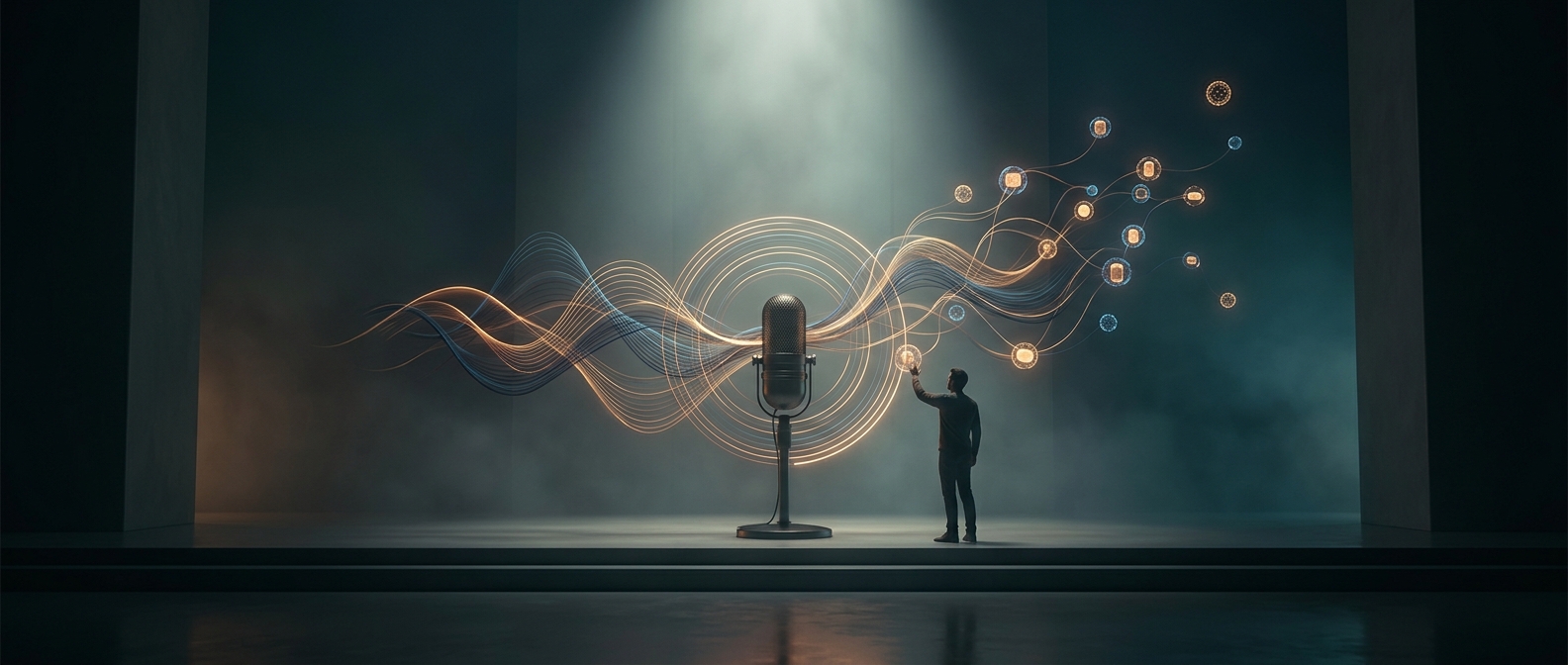
Podcast apps organize shows into episodes and can notify listeners when new ones appear. Behind that simple interface is a different distribution logic: a program can be published for a dispersed audience without needing a local station’s time slot. Listeners find it when they want; the app keeps the episode available for later.
That flexibility also changes the creative tradeoff. Without a shared broadcast clock, a show need not fit the same schedule or serve everyone in a region. Creators can build around a particular subject or audience, and listeners can choose among programs rather than accept what happens to be on. The result can still sound like radio, but its route to an audience is more personal and less tied to a transmitter’s timetable.
Familiar Form, Different Listening Habit
Podcasts did not make radio-style conversation original by itself. They made it portable, selectable, and easy to resume—qualities that let the old format settle into new parts of daily life. A program can be waiting at the exact moment a listener has time for it, rather than asking the listener to be there when it airs.