Why audio apps want a picture
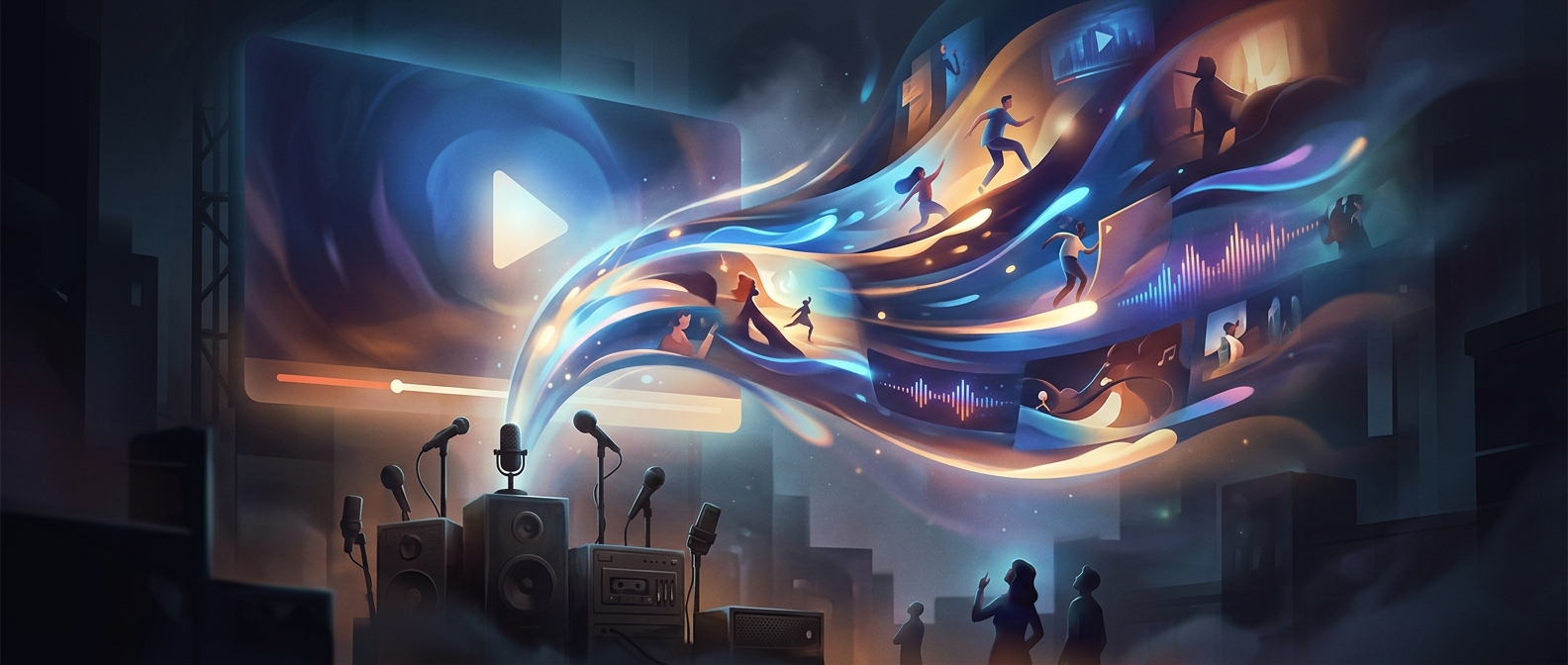
A podcast can be easy to distribute as audio: one recording can be listed in many listening apps, and people can play it while driving, walking, or doing chores. Video changes that relationship. When a platform hosts the footage as well as the sound, it can keep viewers inside its own app and present the show in a more visual feed, alongside clips and other video.
That gives the platform more ways to attract attention and sell advertising. A listener might press play for the conversation, then stay to watch a segment; a short clip can also introduce the show to someone who would never search for its full audio episode. Video therefore makes podcasts fit more naturally into services built around watching and scrolling, not just listening.
The format comes with a tradeoff
For creators, adding cameras can make a familiar studio conversation more discoverable, but it also means managing lighting, framing, editing, and footage. The result may still be mostly people talking at a table; the camera does not automatically make the show more visual in substance.
For audiences, video is an option rather than a universal improvement. Watching can add expressions and gestures, but it is less convenient when the screen is unavailable or attention is elsewhere. The strategic shift is that platforms can treat the same conversation as both a listen-anywhere program and a watchable piece of content—while asking creators to do more work to make it so.