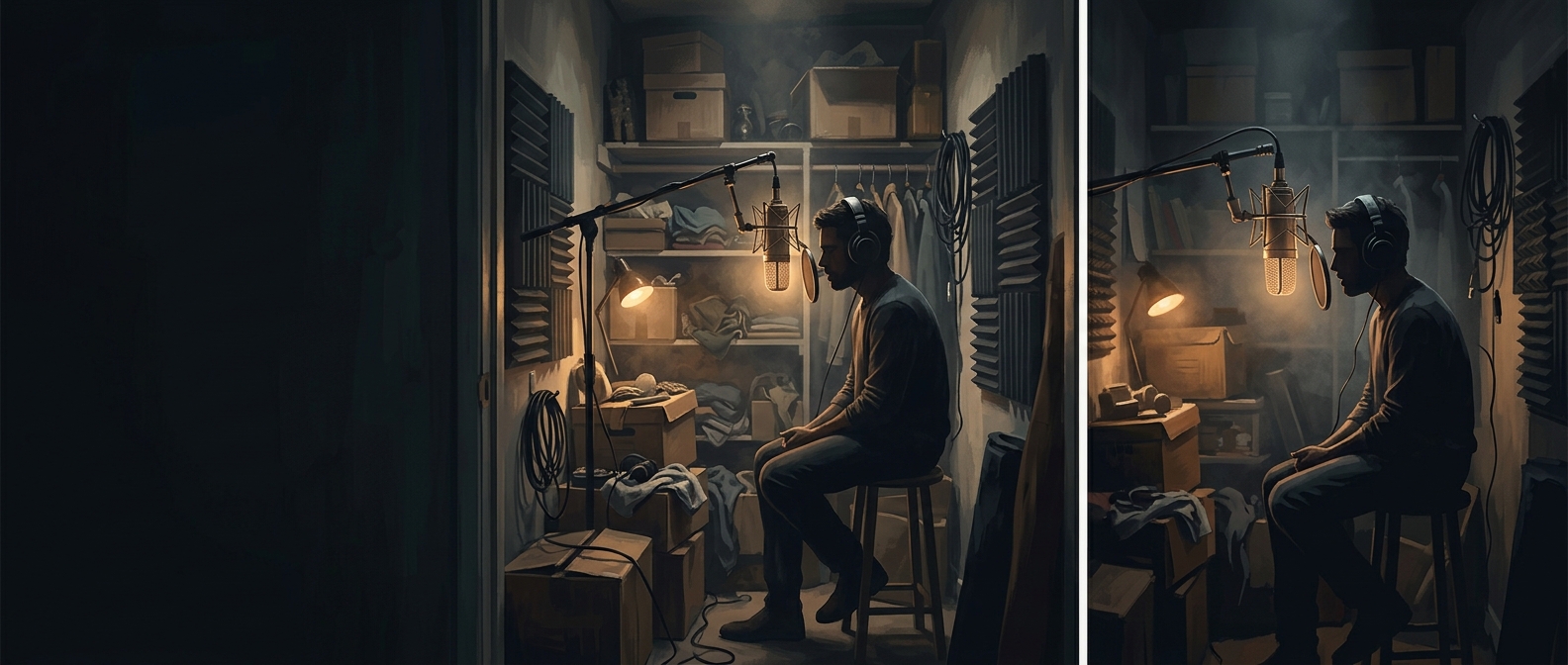
Recording Became Easy; Finding Listeners Did Not
Podcasting lowered the cost of making a show. A person with a microphone and recording software could publish conversations, commentary, or stories without persuading a broadcaster to give them airtime. But the tools that make a show available do not automatically put it in front of people.
That gap is the difference between distribution and discovery. A podcast can be listed in listening apps and still be difficult to notice among many alternatives. Potential listeners usually need a reason to try it: a recommendation, a search result that fits their interests, or a link shared by someone they trust.
Attention Is the Scarce Resource
Once a listener chooses a few shows, those programs compete for time in a finite routine: a commute, a walk, or chores. New shows must interrupt that habit. A promising premise may earn a first click, but a clear focus and dependable publishing can give listeners a reason to return—and to tell someone else about it.
This helps explain why a crowded field can contain both polished hits and podcasts with tiny audiences. The barrier to publication is low; building recognition is a separate, slower task. A show made for a narrow community may serve its purpose even if it never attracts a mass audience. For its creators, the revealing moment is not pressing “publish,” but realizing that the episode needs a path to the people it was made for.