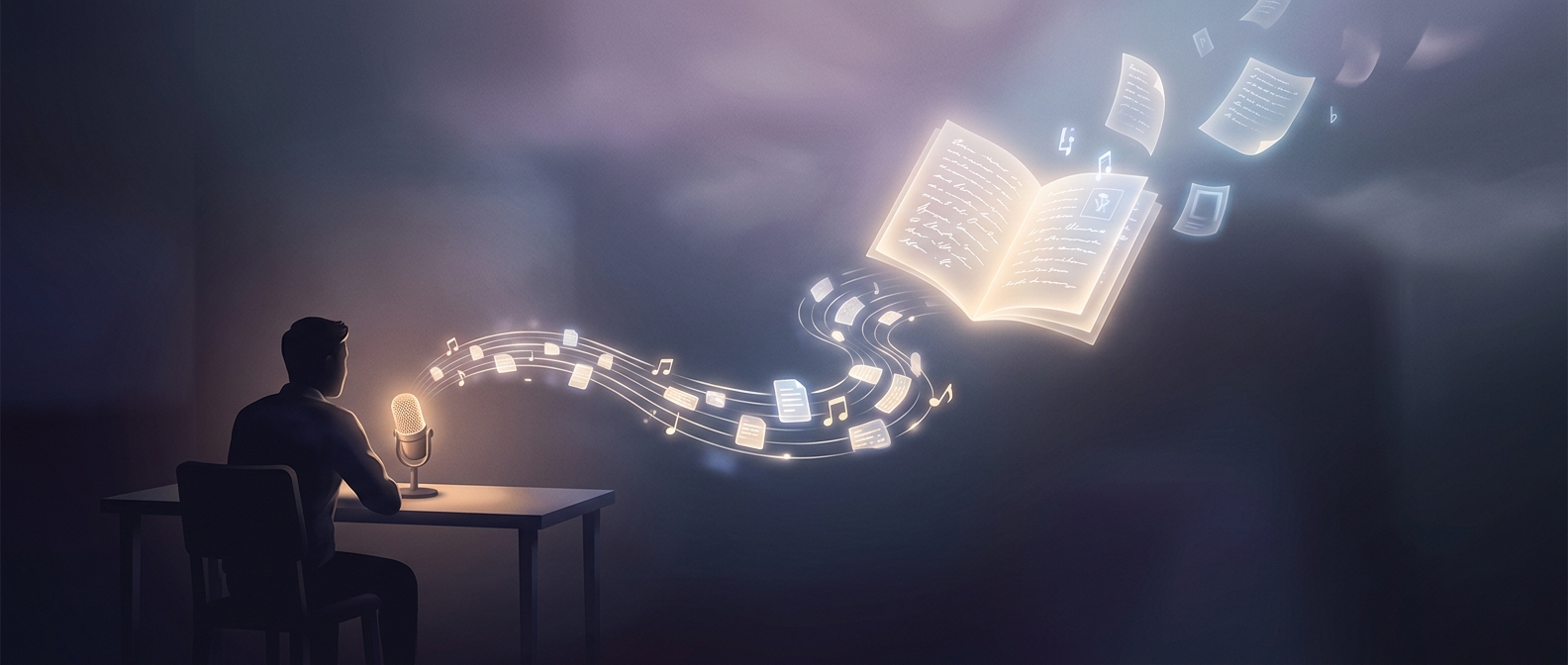
The blog’s newest format was a sound file
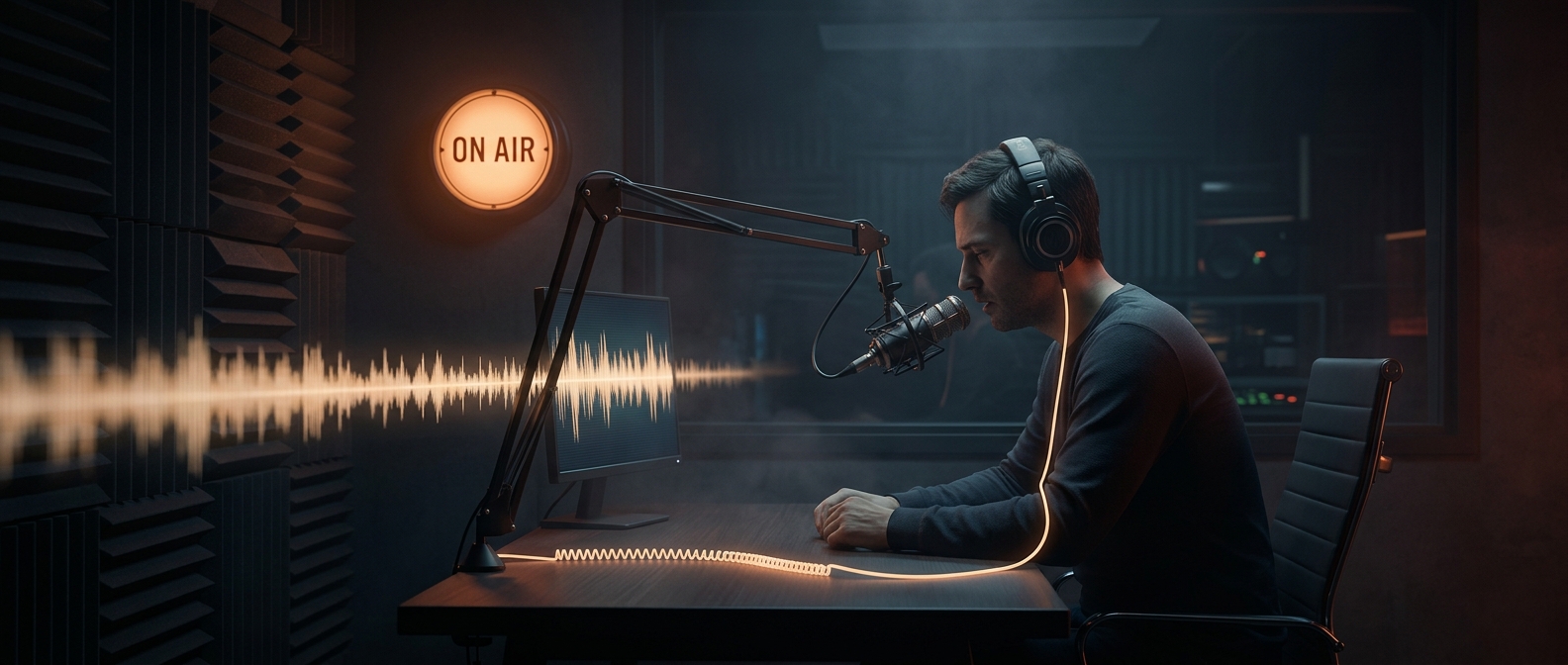
A weblog was a regularly updated website, and early audio weblogs borrowed its basic rhythm: a host made a post, but instead of—or alongside—text, the post contained a recording. That made the show feel less like a scheduled broadcast and more like a personal update listeners could visit when they chose.
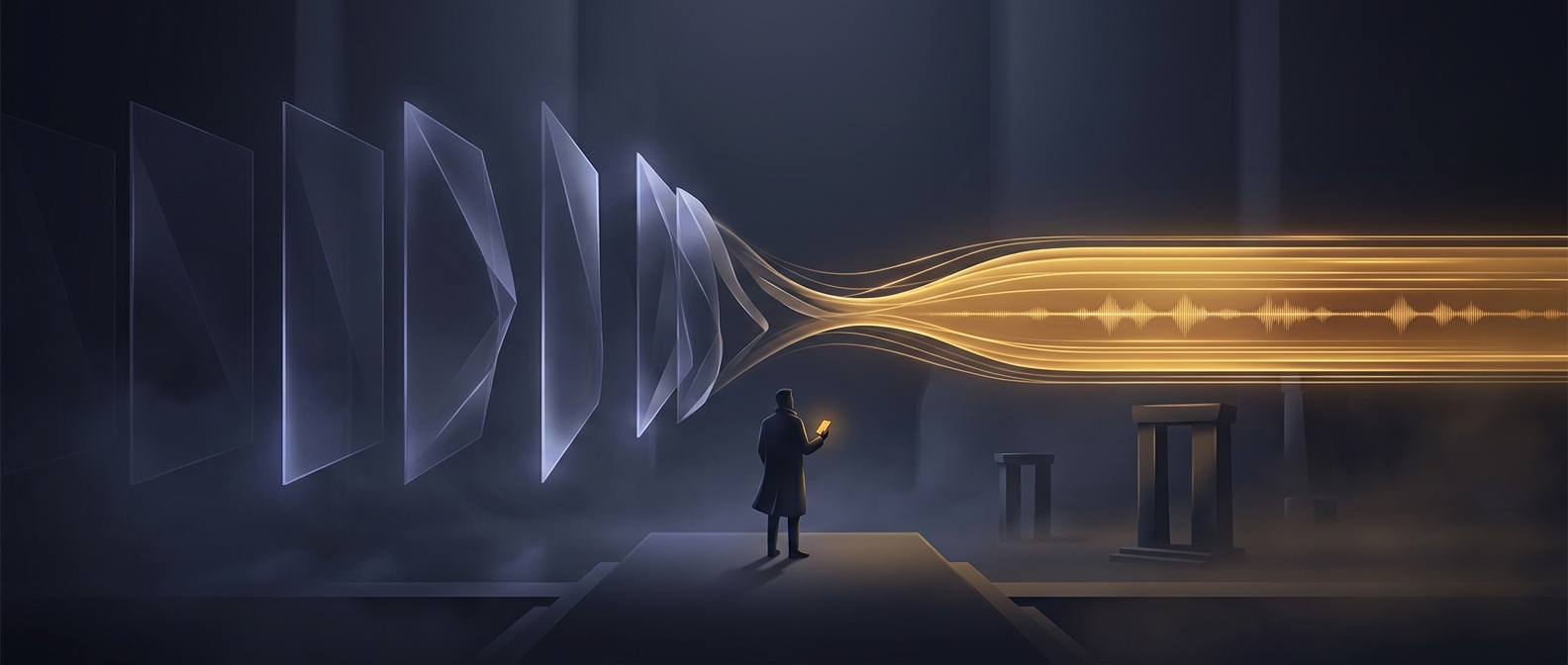
The key technical link was RSS, a feed format that lets software check a site for new posts. When a feed included an audio file, a compatible program could find the new recording and download it. Listeners did not have to be online at the moment it was published, as they would for a live broadcast. They could play it later on a computer or portable audio player.
Why the format sounded personal
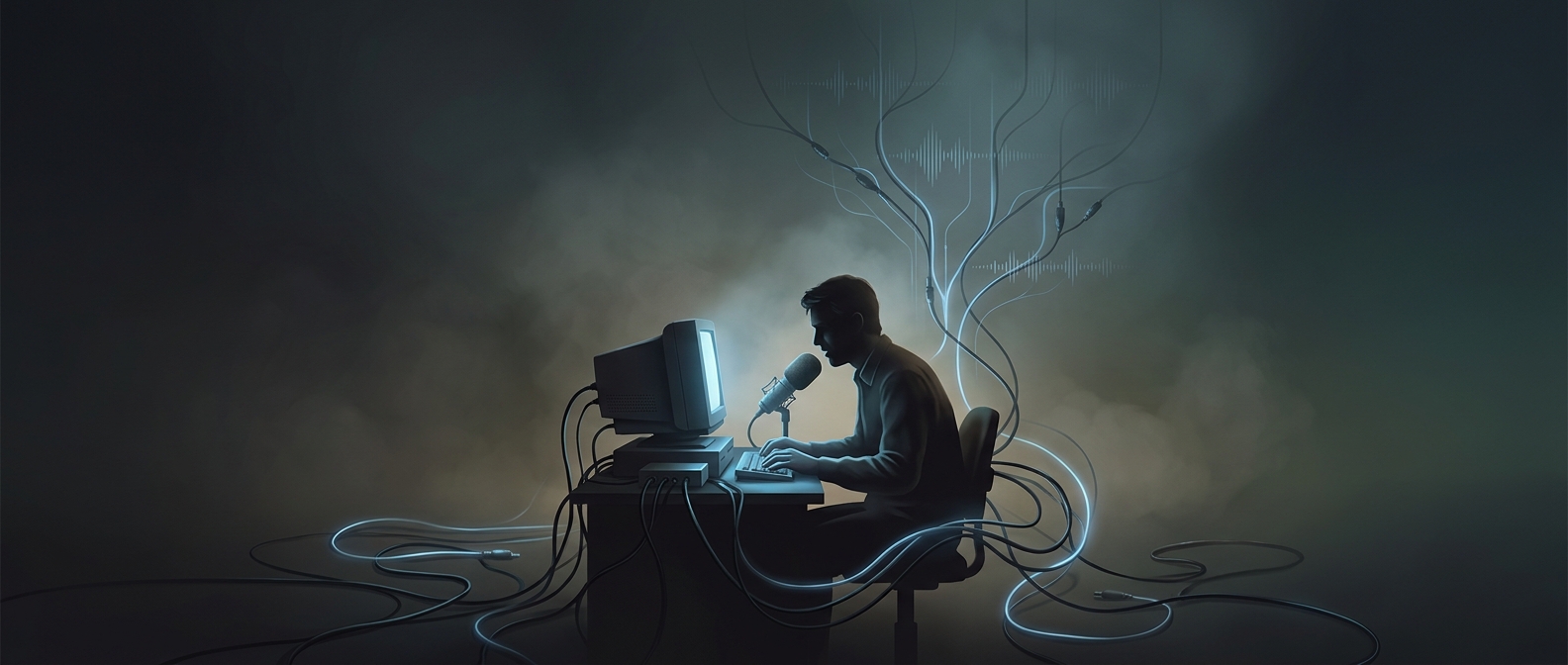
The production model favored access over polish. A host could record, upload a file, and publish without a radio station’s studio, schedule, or distribution network. That lowered the barrier to speaking at length about whatever interested the host, but it also meant that sound quality, editing, and presentation varied. The recording often carried the marks of its maker because there was no production team smoothing them away.
From posts to productions
As listening spread beyond people already comfortable with feeds and downloads, makers had reason to improve sound, structure episodes, and create shows that could hold a broader audience. Better production did not replace the weblog idea so much as build on it: a dependable stream of installments from a recognizable host. The shift from rough audio posts to studio-style shows was therefore also a shift in expectations—from hearing someone’s latest update to choosing a finished program.