The “empty” space is often part of the story
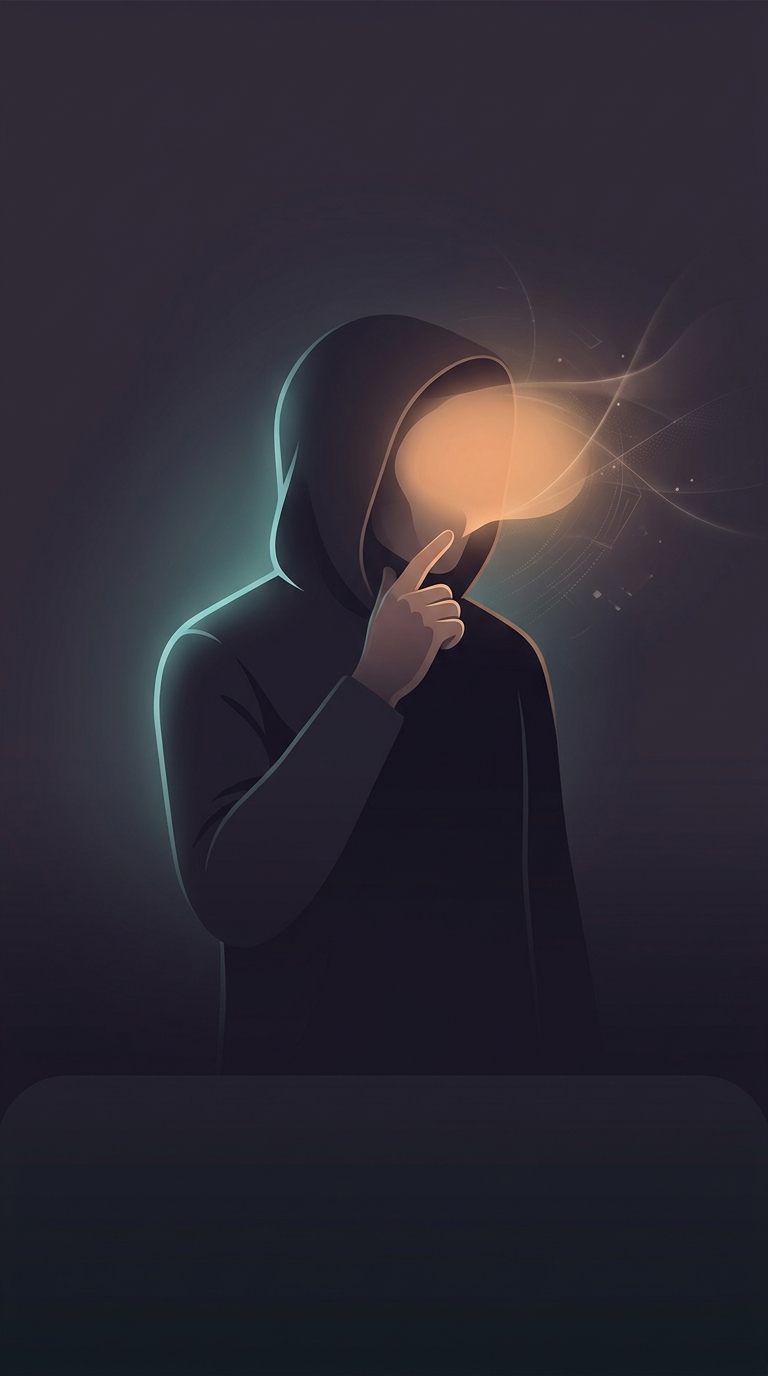
A storyteller may be pointing to a screenshot, caption, map, or photo that appears beside them on screen. In a finished TikTok, the creator’s gesture and the added visual occupy the same frame; the hand directs viewers to the relevant detail while the creator keeps talking. The space may look empty when the video is recorded, or when a particular version is viewed without its overlays.
A gesture becomes a visual cue
Short-form videos move quickly, and viewers are often watching a small screen. A point is an immediate instruction: look here. It can help connect a spoken claim to a name, message, or image, and give the viewer a beat to take in that evidence before the story moves on.
The gesture also adds movement to a mostly stationary talking-head shot. Changing where the creator points can mark a new person, reveal, or turn in the tale, making the narration feel more like a guided presentation than a monologue.
The timing has to line up
To make the effect work, the creator or editor places the added material near the hand and times its appearance to the narration. If the visual arrives late, or the point lands in the wrong place, the cue can confuse rather than help. That makes the gesture a small piece of staging: the creator is not only telling the story, but directing attention through the frame.
So the apparent emptiness is often a useful bit of screen real estate—reserved for the next clue.