The Mispronunciation Is a Tiny Invitation to Correct
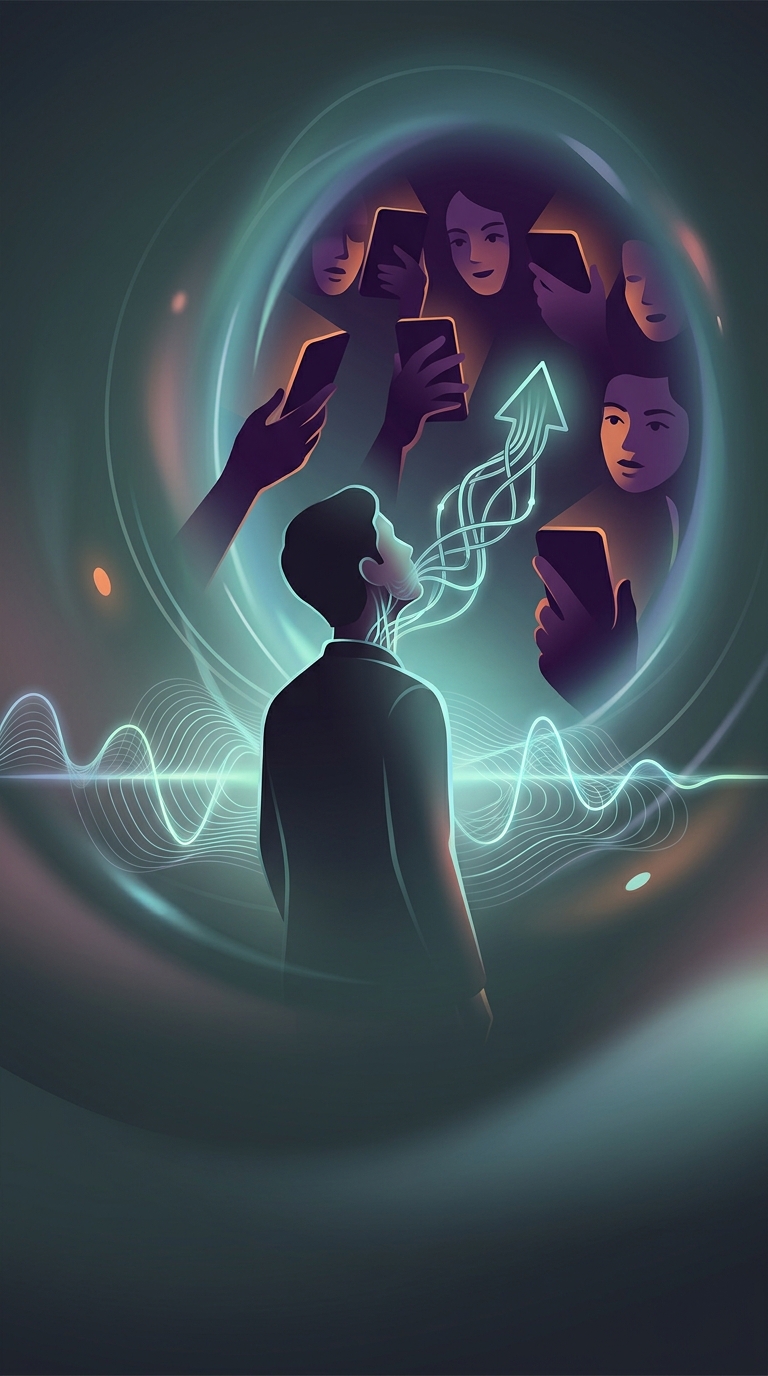
A creator who otherwise speaks fluently may stumble over an easy word on purpose because the mistake gives viewers something simple to react to. People who might merely watch and scroll past can pause to type a correction, argue about whether the pronunciation is actually wrong, or tag a friend who will notice it. The word becomes a small, low-effort prompt for participation.
That matters in a crowded video feed. A clear error is immediately understandable, even without context, and it can spark a comment thread without changing the subject of the video. The creator keeps the usual format and pace; the odd pronunciation supplies a moment viewers can latch onto.
Why a Small Error Can Travel
Comments and replies can keep a video circulating among viewers, while the correction itself is easy to quote or clip. Some viewers may also replay the moment to check what they heard. None of those reactions guarantees that a platform will recommend the video, but they can turn a passive viewing experience into an interaction—and interactions are valuable signals in creator-driven media.
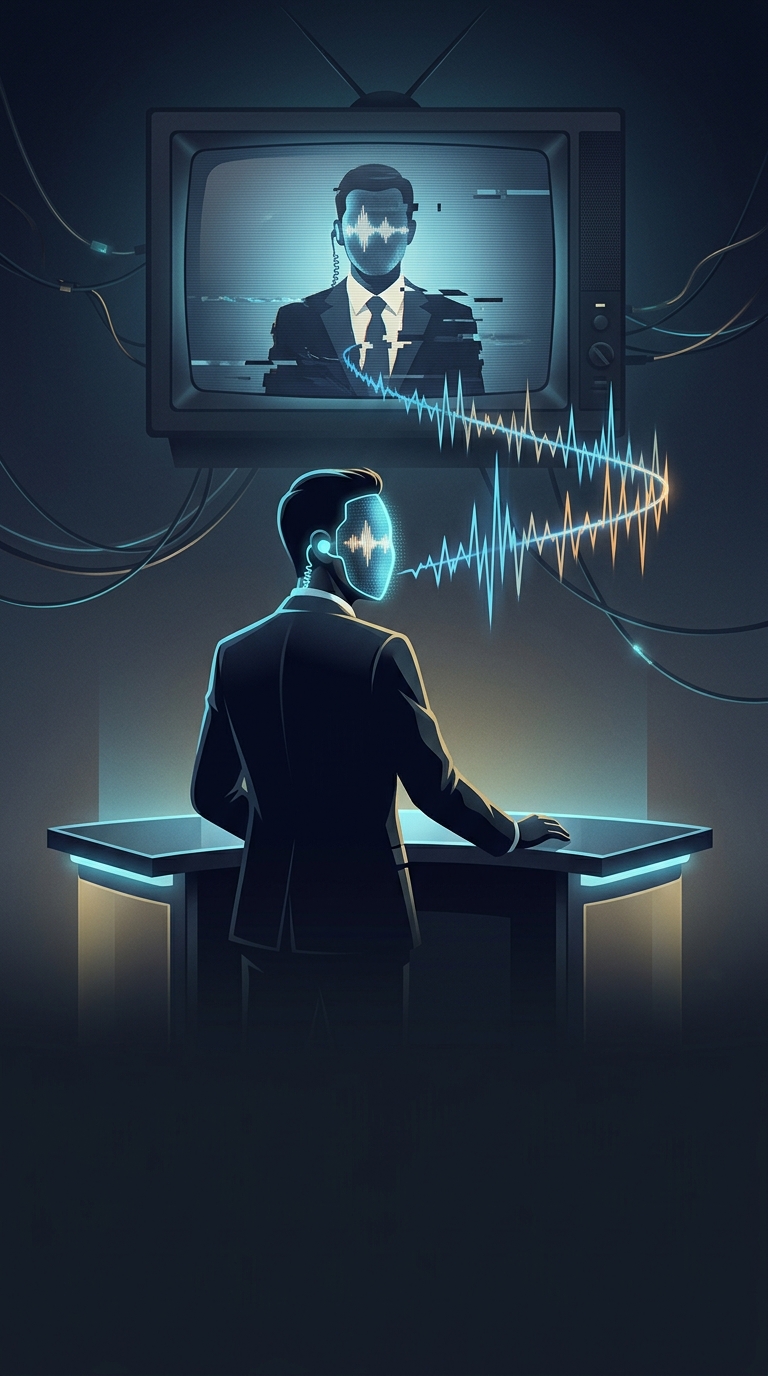
The tactic depends on the mistake feeling noticeable but not disruptive. If it seems plausible, viewers may debate it; if it is too blatant, they may recognize the performance and lose interest. And not every mispronunciation is deliberate: people misspeak, use different regional pronunciations, or simply say unfamiliar words differently. The telltale pattern is the contrast between an otherwise polished delivery and a conspicuous, repeatable stumble.
The practical payoff is modest but sharp: one deliberately wrong syllable can make an audience do the work of spreading the moment.