When Kramer’s entrance didn’t read as a joke
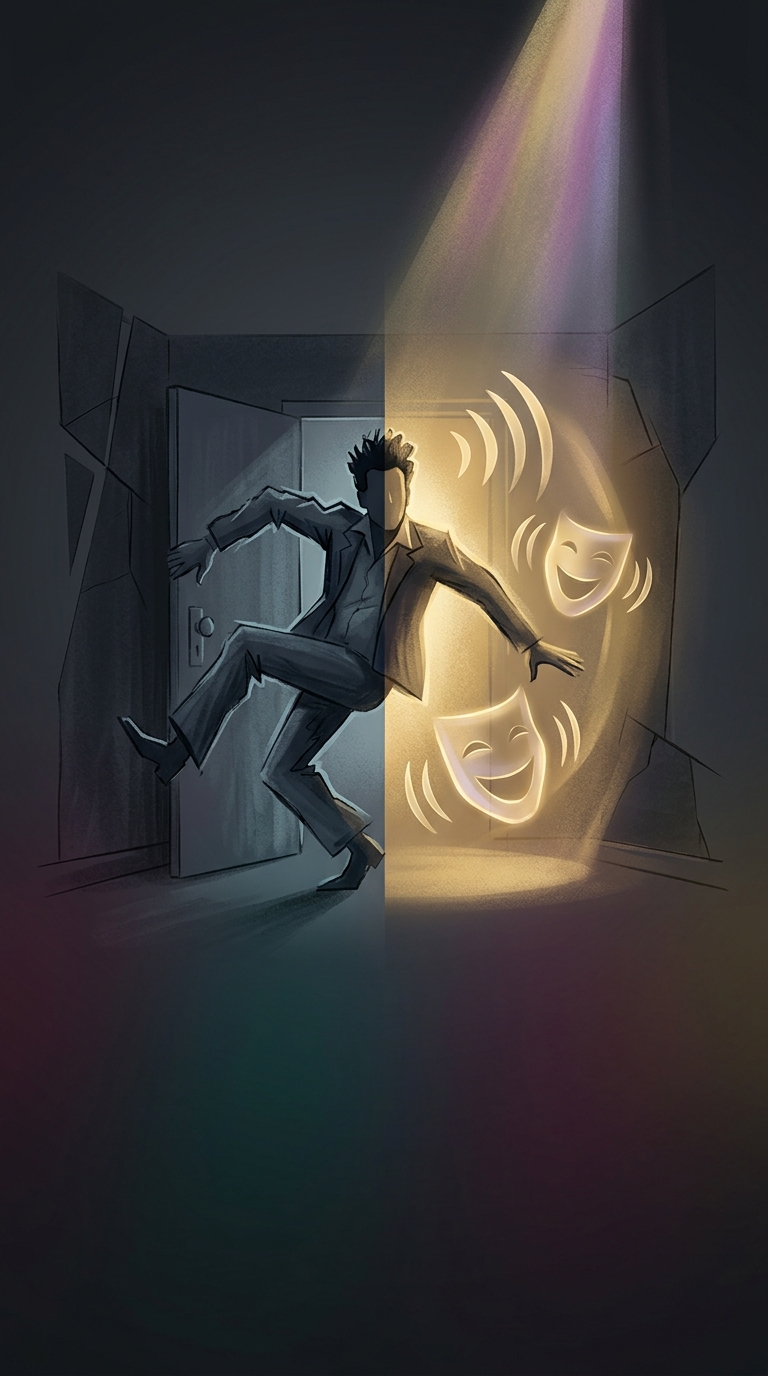
Michael Richards played Kramer with sudden lunges, flailing movements, and abrupt entrances. That physical comedy depended on the audience recognizing the performance as playful. At early tapings, some spectators reportedly found his intensity unsettling instead. If a performer seems alarming rather than funny, the room may go quiet precisely when a sitcom needs a laugh.
How a laugh can teach the room when to respond
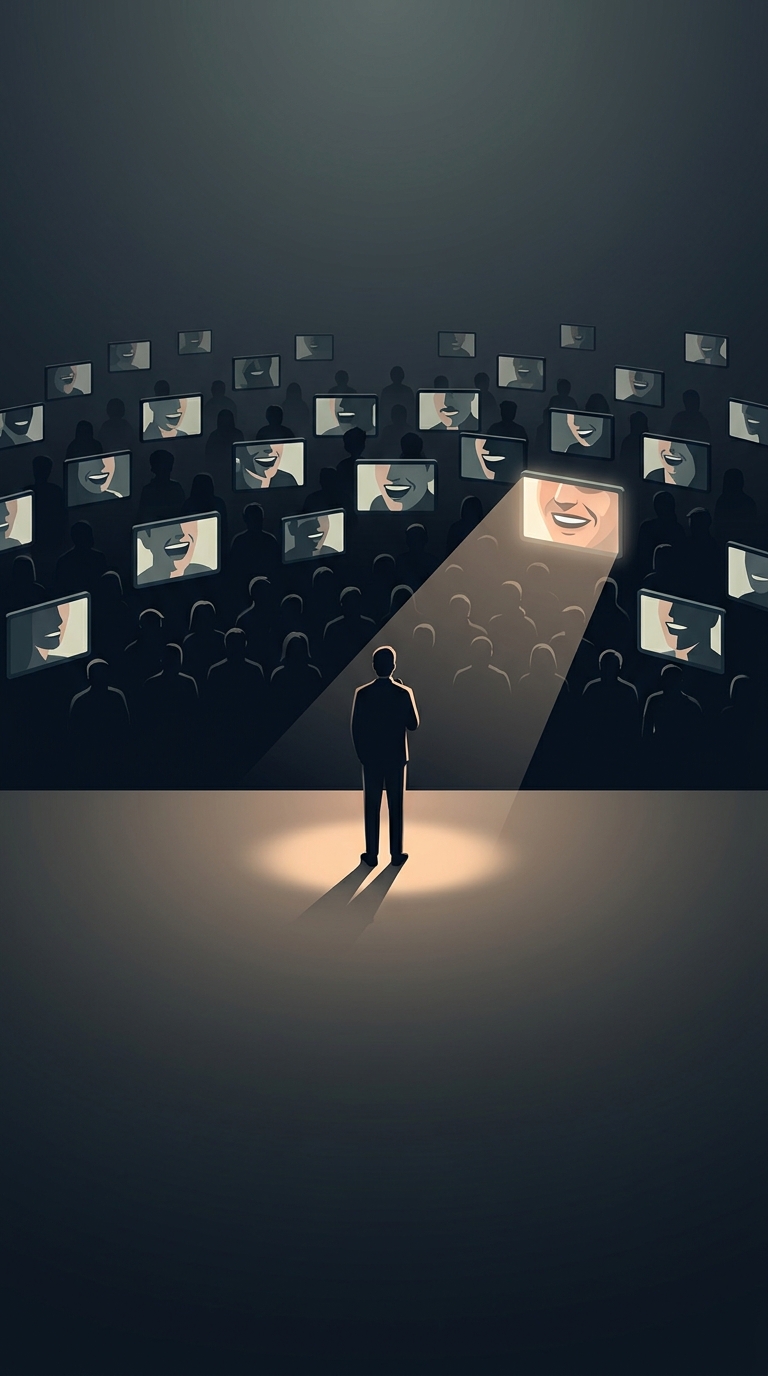
A live sitcom audience does more than watch: its reactions help set the rhythm of a scene. Laughter signals that a startling gesture is meant as a comic beat, and the performers can pause for that response before continuing. When the crowd hesitates, the timing can falter—even if the joke is clear on the page.
Producers brought in professional laughers to help cue the audience. Their laughter could make the comic intention easier to read and give other spectators permission to respond. That is different from simply adding a laugh track afterward: the aim was to influence the atmosphere in the room during the performance.
The underlying challenge was specific to Kramer’s style. His movements had to look unpredictable enough to surprise viewers, but not so threatening that surprise became alarm. Once the audience read the physical chaos as a joke, the same energy that had unsettled people could become the reason they laughed.