Why a soda can gets blurred on screen
A branded can is more than a prop: its logo can make a scene look like advertising, whether or not the company paid to appear. When a brand and a show’s producers agree on product placement, they can settle how the product will be shown and whether the company receives any promotional benefit. If they do not reach an agreement, the production may choose not to feature the logo clearly.
The blur is a postproduction fix
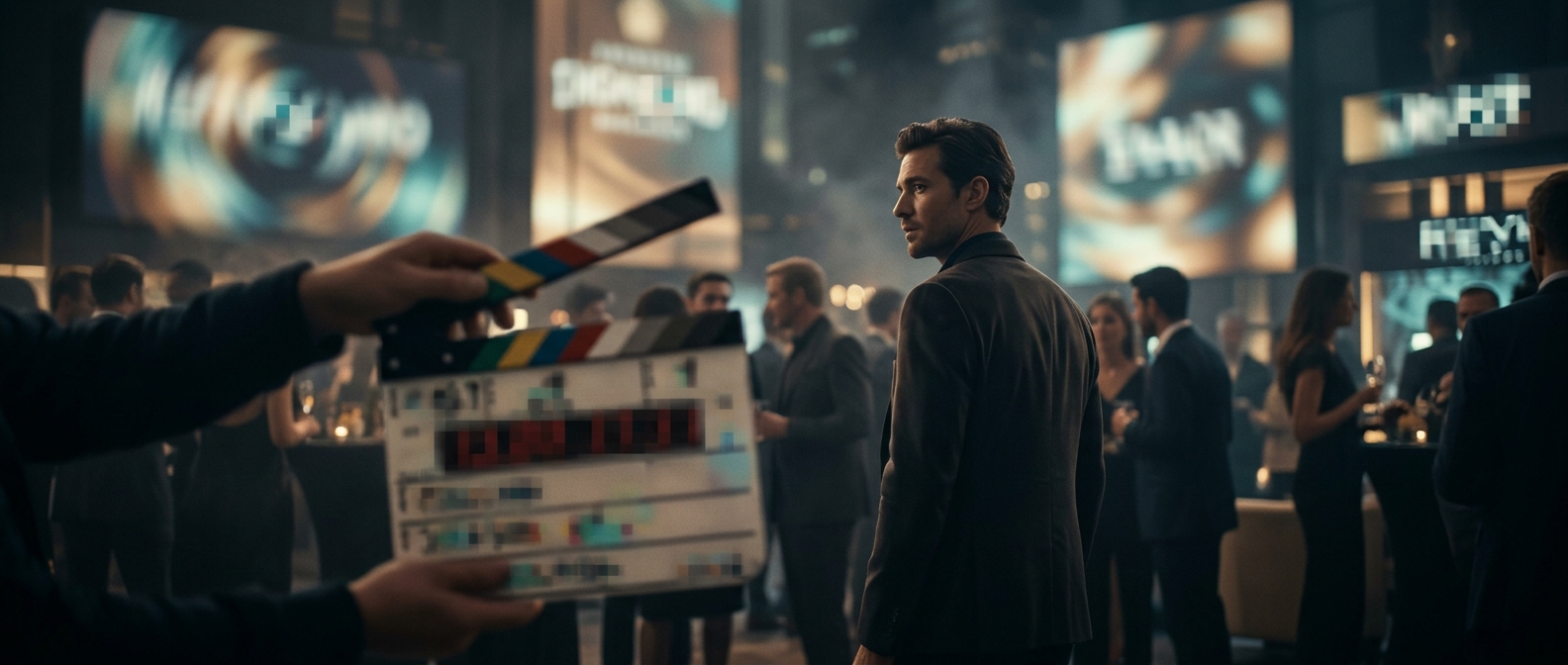
If the can has already been filmed, editors can obscure its label in the finished image. The drink still works as a believable prop, but viewers are less likely to read the scene as a deliberate showcase for that particular brand. This is especially useful when the can is prominent in the shot or appears repeatedly.
A blur can therefore hint that the production and the brand did not agree on placement. It is not proof of a failed deal: a logo might be obscured for other editorial or legal reasons, and a product can appear without a paid arrangement. The visible edit tells viewers only that the production chose not to show the branding clearly.
What the audience is meant to notice
The effect turns an ordinary object into a small sign of the business behind television. A clear logo can serve both the story and a brand’s visibility; a blurred one preserves the prop while withholding that exposure. The can remains in the scene, but its identity—and any implied endorsement—doesn’t.