How a rejected candy became part of E.T.
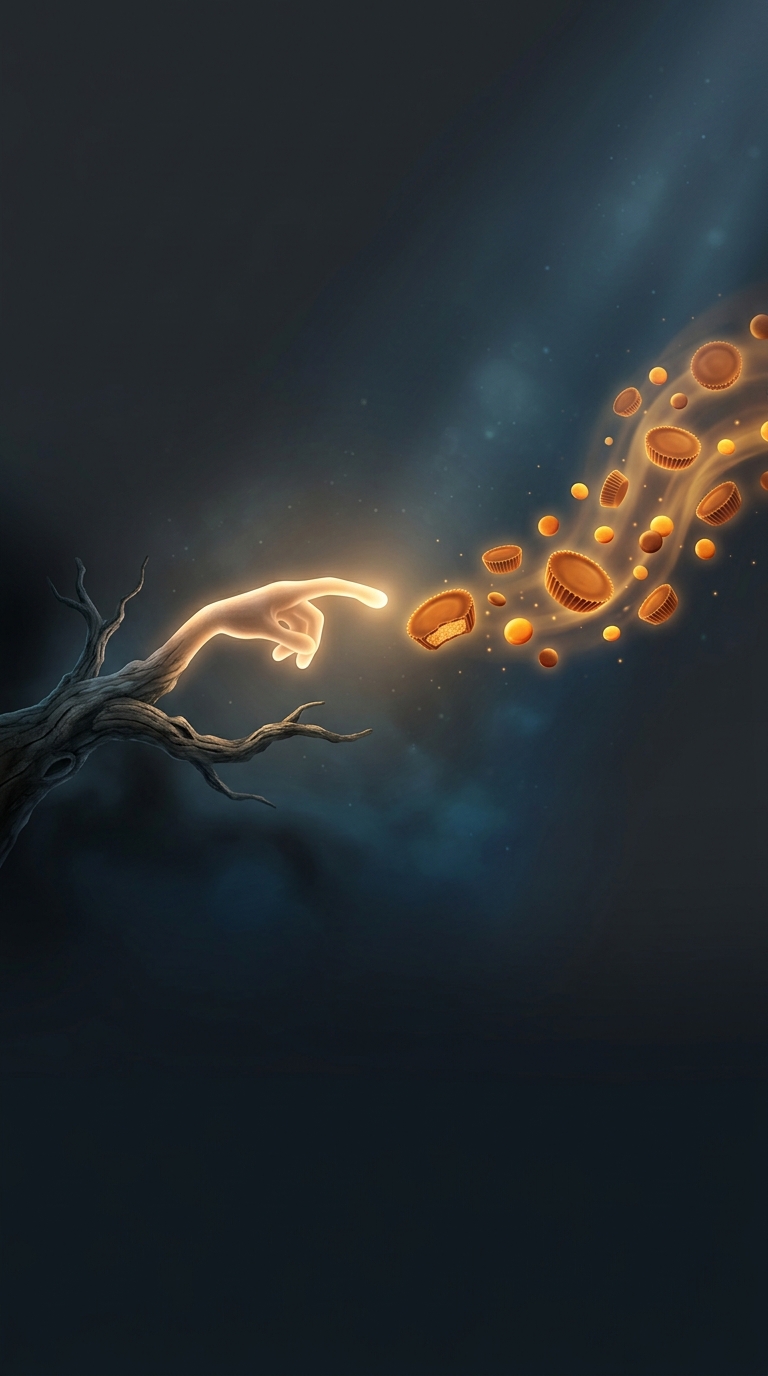
The scene needed more than a snack: Elliott had to offer the alien something that could draw him out of hiding and lead him home. Reese’s Pieces, with their bright colors and small, easy-to-follow shape, gave the filmmakers a simple visual tool. A trail of candy could turn a cautious encounter into a path through the house.
Mars refused permission to use M&M’s, so the filmmakers secured rights to feature Reese’s Pieces instead. That decision put Hershey’s candy into a scene audiences could understand without explanation: a child uses a treat to build trust with a frightened visitor.
From screen time to a sales surge
This was product placement—an arrangement in which a company’s product appears within a story, rather than only in a separate advertisement. The film gave Reese’s Pieces an unusually memorable role: viewers watched the candy perform an action, not merely sit in the background. Its association with Elliott and E.T. made the brand part of the movie’s emotional turning point.
After the film’s release, Reese’s Pieces sales reportedly rose by an estimated 300% within weeks. The jump illustrates why a well-integrated placement can be more powerful than a passing logo: the product becomes tied to a scene people remember and retell. In this case, a refusal over one candy brand helped turn another into the treat audiences associated with making first contact.