How a reality-TV argument gets shaped
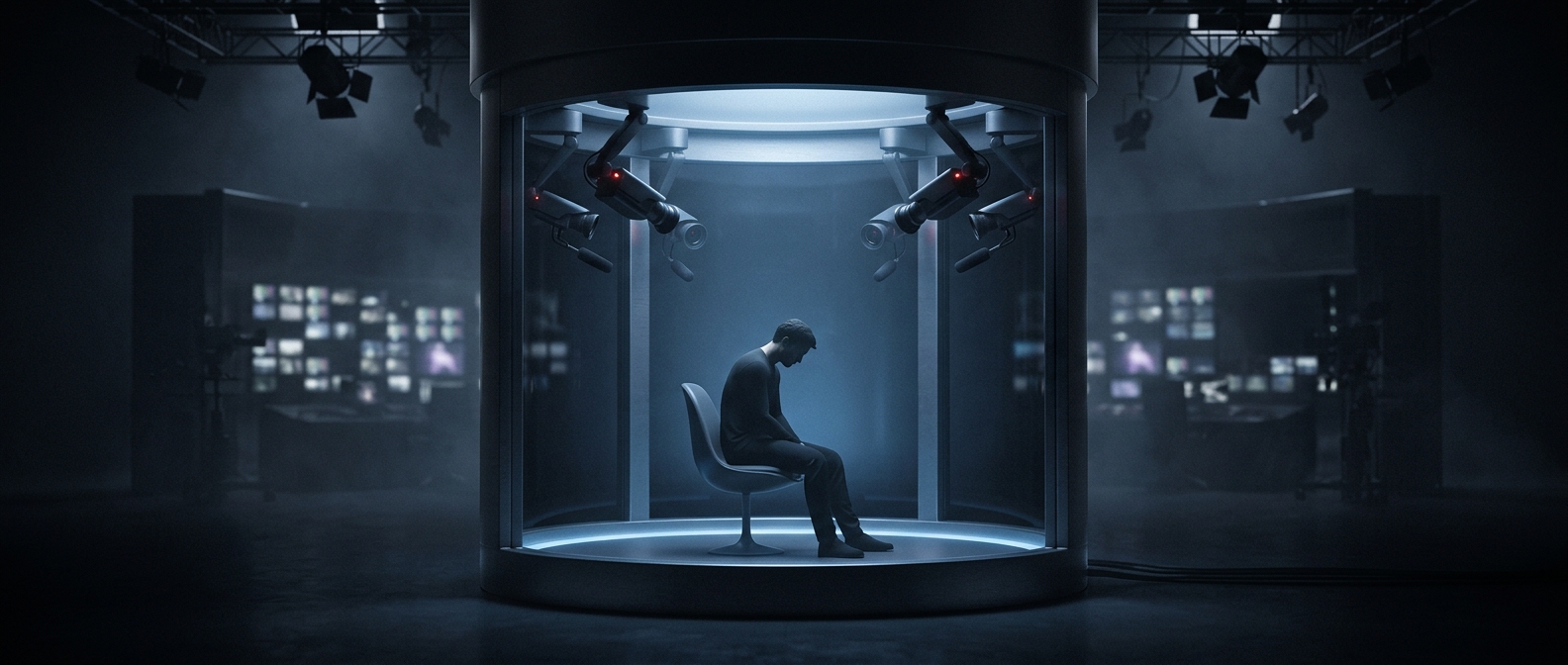
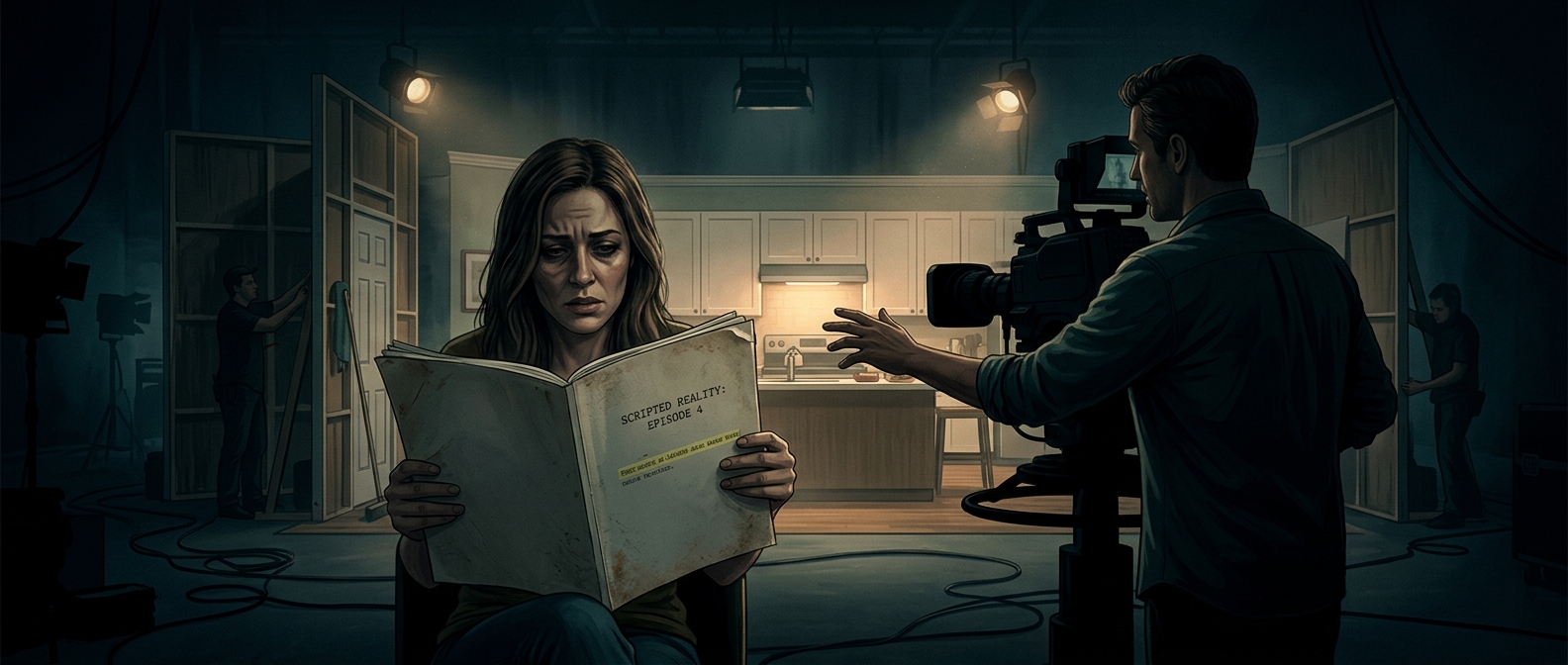
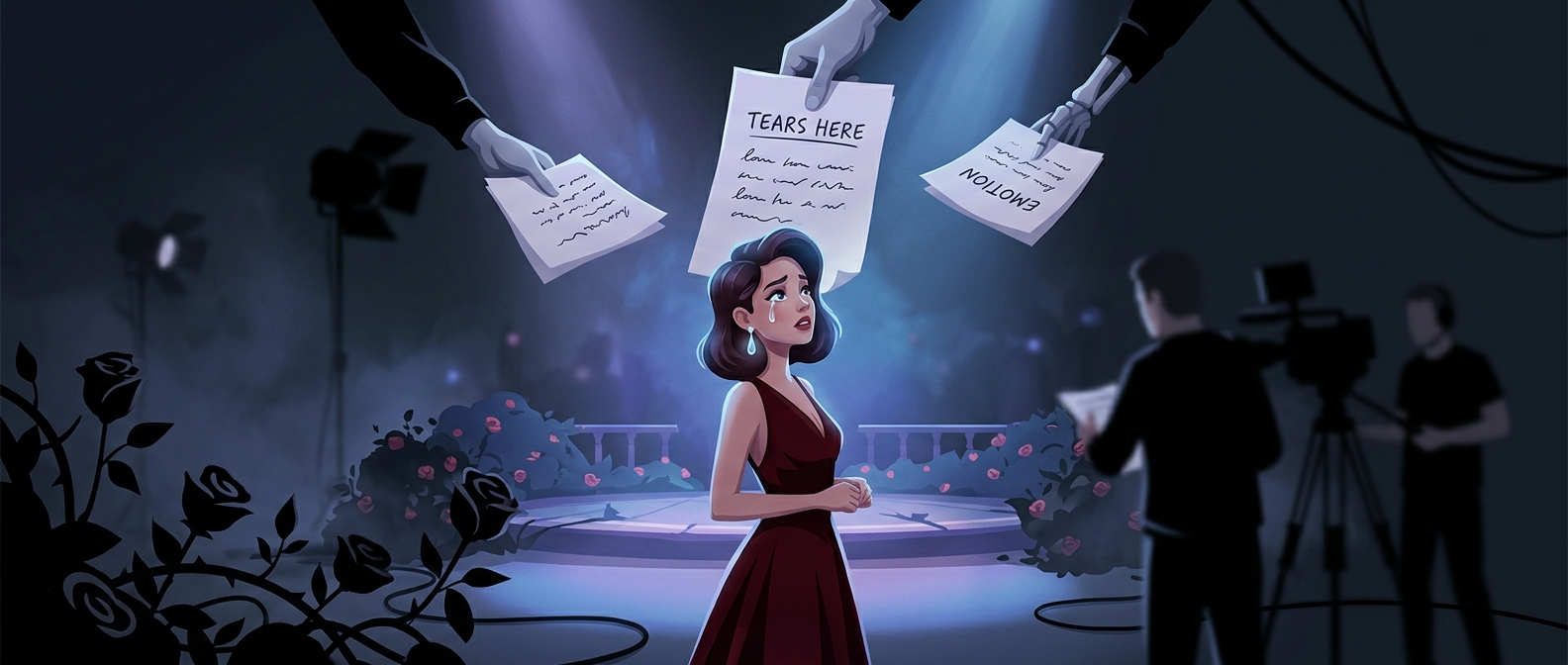
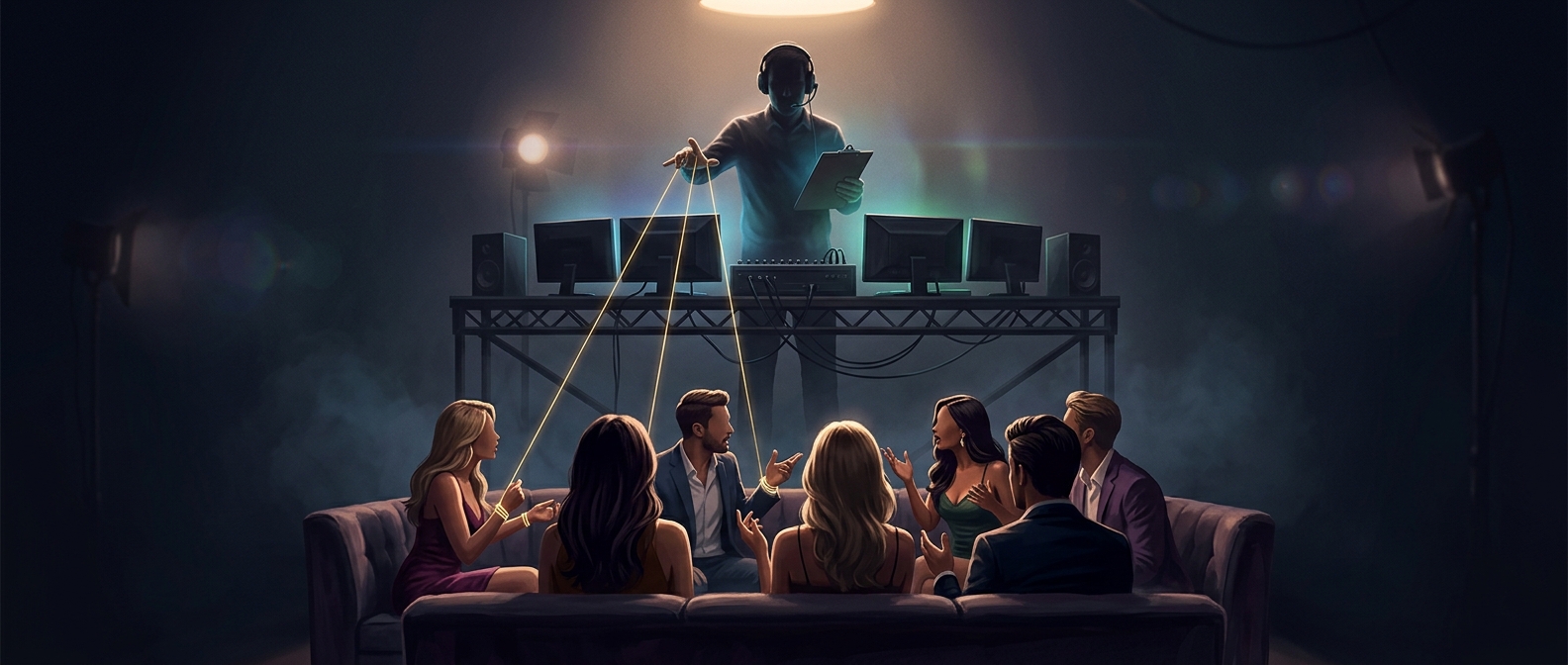
A televised fight can be real in the sense that the people involved are genuinely angry, yet still be shaped by production. Producers influence the conditions in which a confrontation happens: who is brought together, when cameras are present, and what opportunities people have to leave. Limiting access to exits can keep participants in the same space longer, making an exchange more likely to continue. That is different from scripting each insult, but it means the conflict unfolds within an environment the show has helped arrange.
Editing turns a moment into a character arc
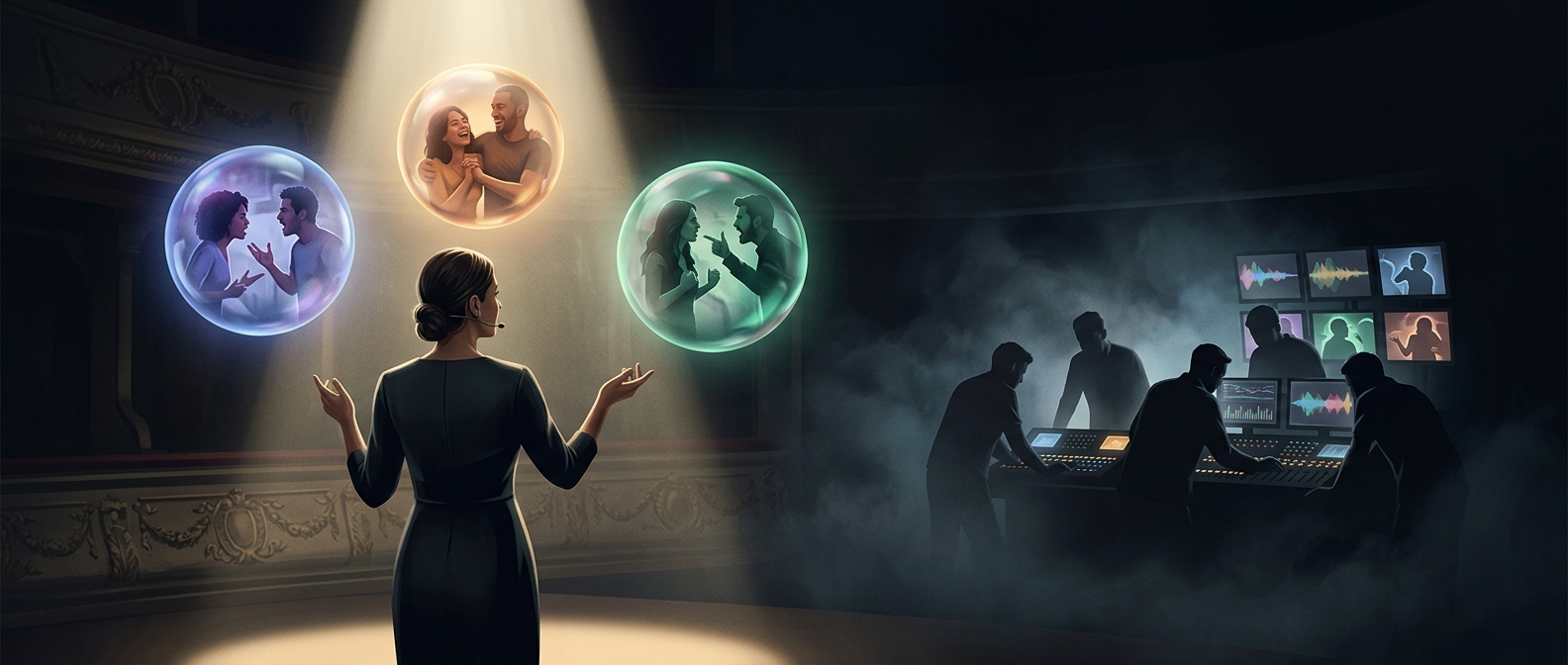
The story can keep developing after the argument ends. Editors choose which remarks viewers hear, what reactions follow them, and how scenes are ordered. A casual comment shown beside someone’s angry response may seem like the clear cause of a blowup, even if the original conversation was more complicated. Repeating selected moments across episodes can make one person appear consistently provocative or cruel, while quieter context falls away.
That pattern creates a season-long villain not necessarily through one fabricated scene, but by accumulating selective impressions. The audience sees a constructed account of real interactions, not an uninterrupted record of everything that happened. The distinction matters: participants may be responsible for their words and actions, while producers still influence which conflicts grow, which details survive, and what meaning viewers take from them.