How hours of footage become a romantic storyline
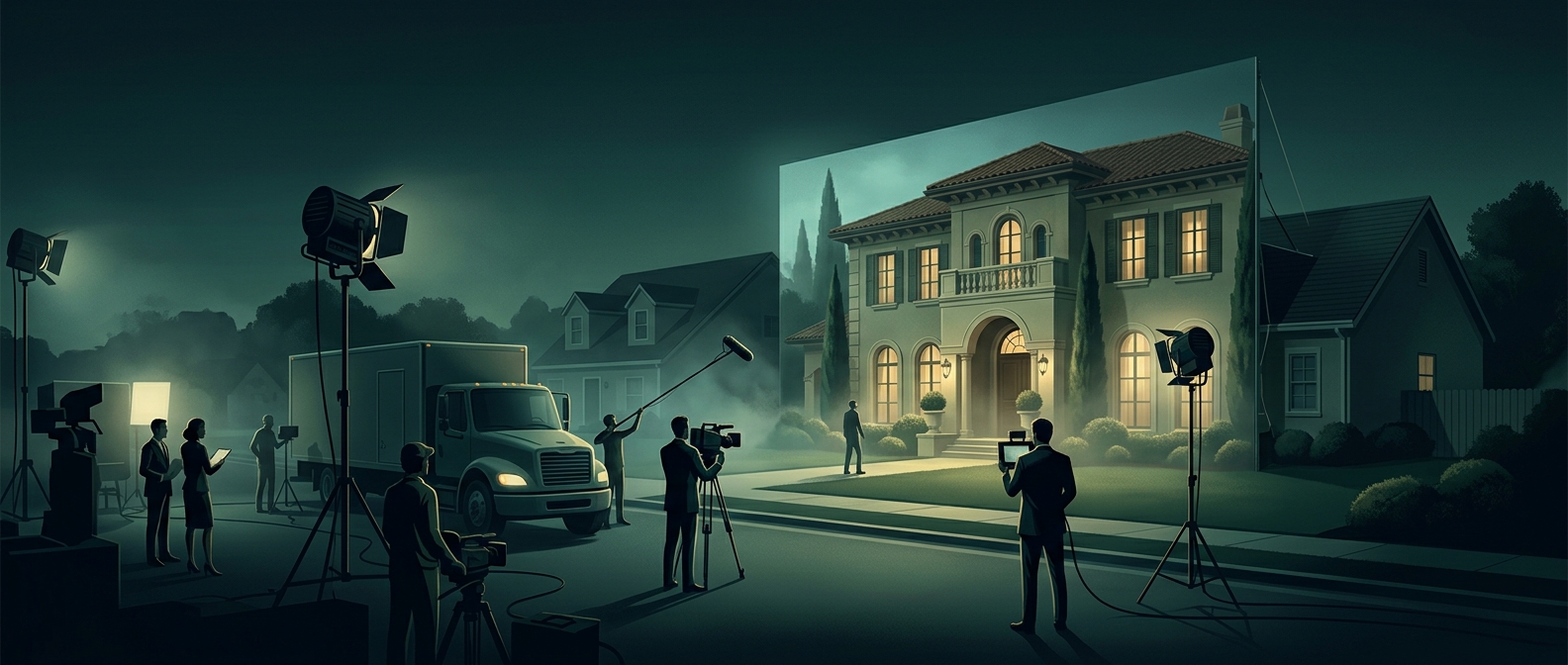
A dating show records far more than can fit into an episode: conversations, group dates, pauses, awkward transitions, and reactions that may happen long after the original exchange. Editors have to turn that sprawl into a sequence viewers can follow. They choose which moments to keep, where to place them, and whose reaction should follow whose words.
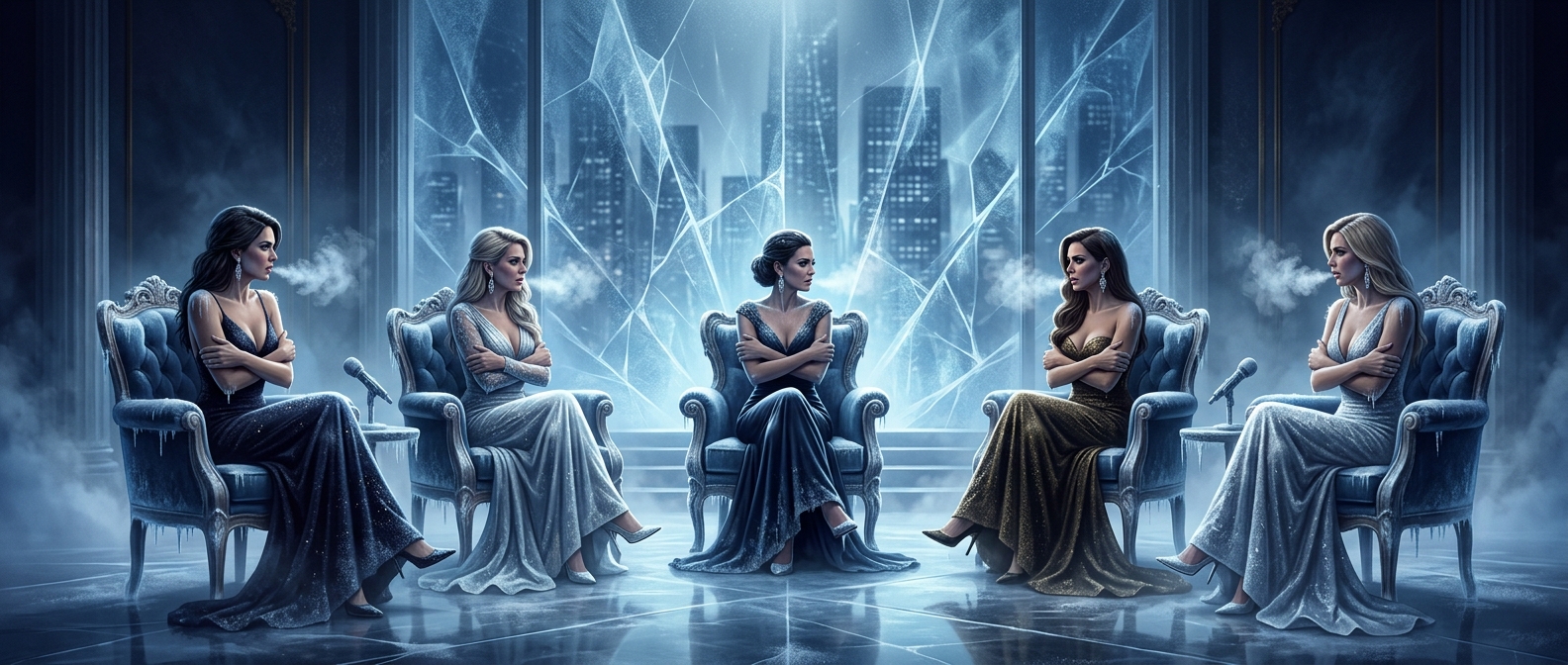
That structure can make a clash between mismatched contestants feel like the episode’s central conflict. A disagreement may be cut beside a flirtation or a decision, giving it a clear setup and consequence. The underlying moments may be real, but their order and emphasis shape what the audience thinks they mean.
Editing makes conflict legible—and suspenseful
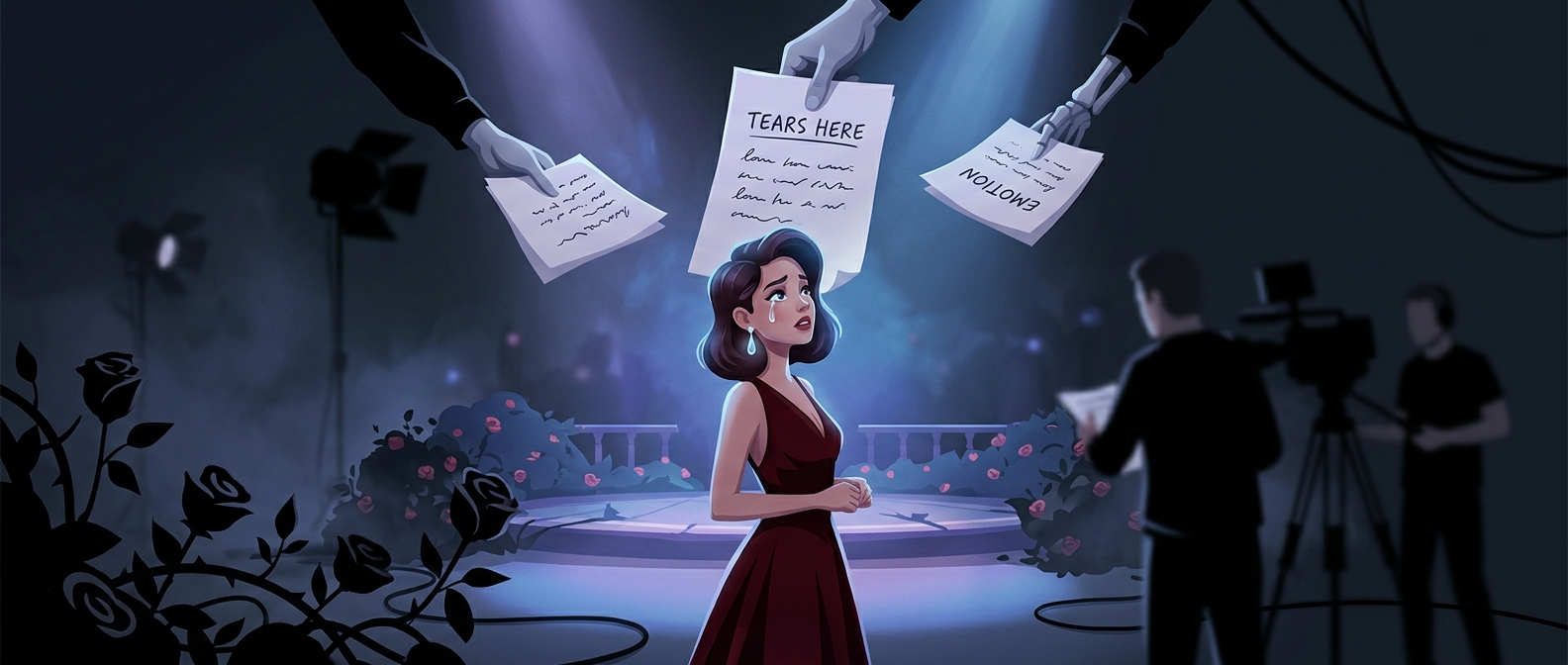
A relationship develops over days or weeks; an episode has only a limited runtime. Editors compress that timeline, leaving out routine interactions and highlighting moments that suggest attraction, jealousy, rejection, or uncertainty. Music, reaction shots, and pauses can sharpen the emotional tone, while a cut at a tense moment encourages viewers to wait for the outcome.
Interviews recorded separately can also help connect scenes. Contestants explain how they felt or what they expect next, giving an episode a thread through events that were filmed at different times. The result is not simply a record of every interaction. It is a shaped account, built to make changing relationships understandable and dramatic.
The tradeoff behind the drama
This storytelling depends on selection. A contestant who appears incompatible with another can supply a visible obstacle, while quieter stretches may disappear from the final cut. That does not require inventing a conflict: choosing which genuine moments to show, and how to arrange them, can make one tension dominate the story.
For viewers, the useful distinction is between what happened on camera and the narrative assembled from it. The contestants’ interactions provide the material; editing determines which moments become the turning points—and which never make it into the episode.