Why a Reality Show May Borrow a Mansion’s Exterior
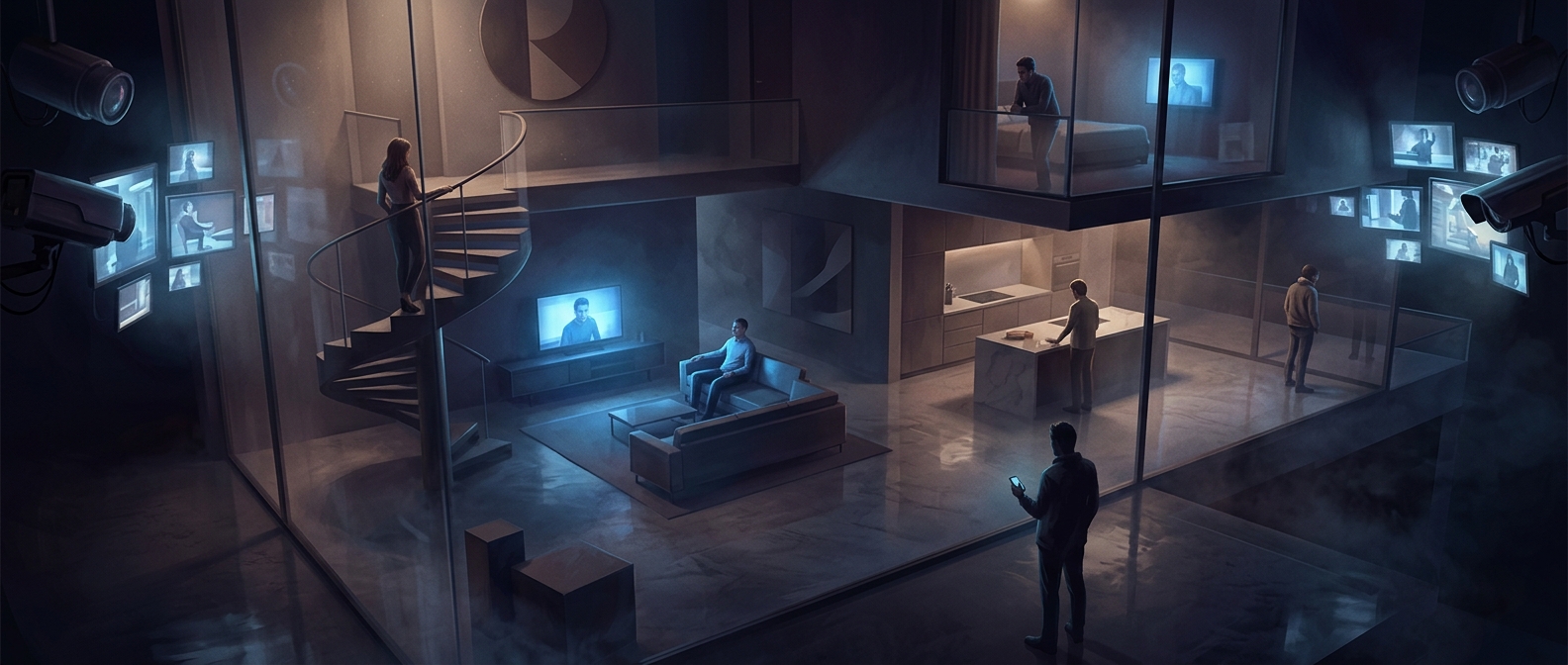
A grand house can work like a visual shortcut. A sweeping driveway, tall gate, or dramatic facade tells viewers that a scene belongs to a world of wealth and status before anyone speaks. But filming that exterior at the cast member’s actual home can expose far more than the show needs to reveal.
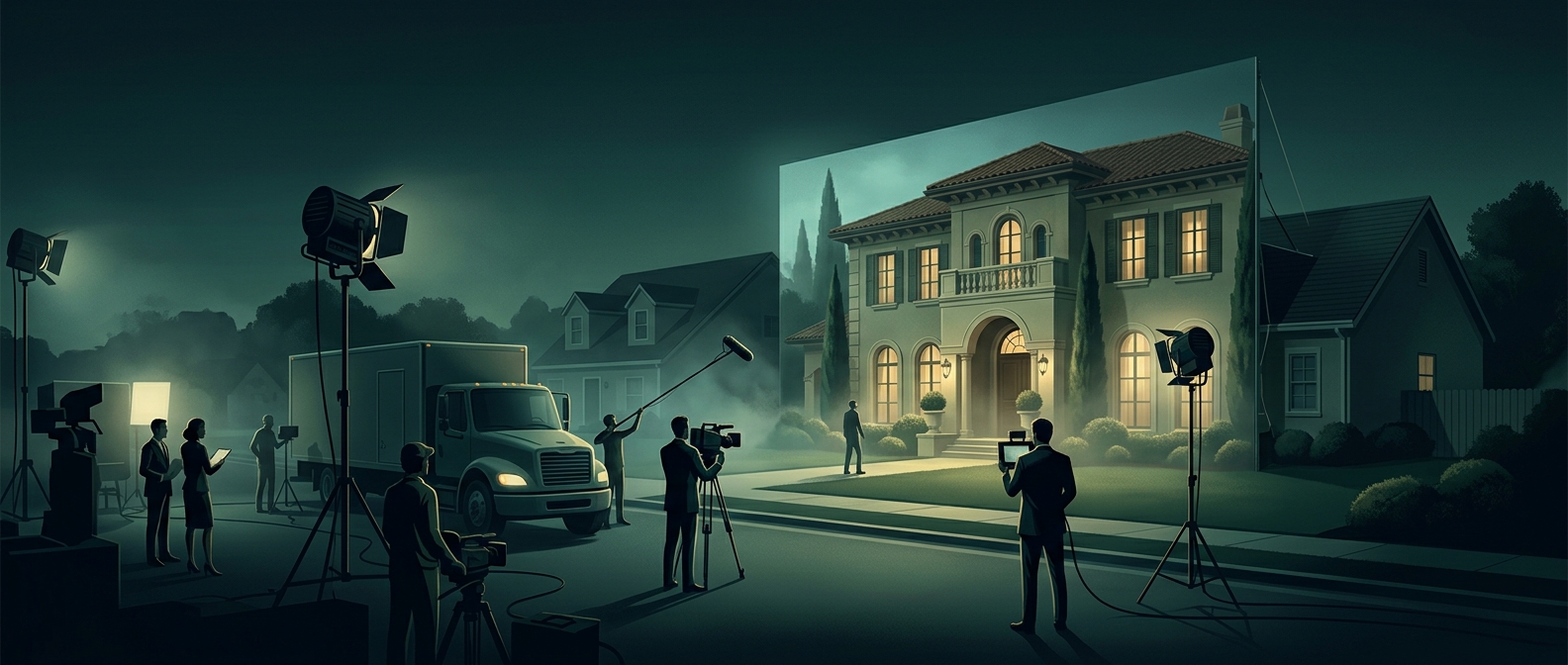
A production may instead film an establishing shot—the brief exterior view that sets the location—at another property. The crew can choose a house that looks right on camera, is available for filming, and can accommodate equipment and vehicles. The cast member’s scenes may then be filmed elsewhere, such as inside a private residence, on a controlled set, or at another location.
The Practical Tradeoff Behind the Swap
Using a separate house gives producers control over the image without turning someone’s home into a public landmark. A real address can be identified from exterior details, street views, or repeated footage. Keeping the actual residence out of the shot makes it harder for viewers to connect the star’s private life to a specific front door—and can also spare the property owner unwanted attention.
The edit helps the two locations feel like one. A quick exterior shot can be followed by an interior scene, while dialogue, camera angles, and transitions guide viewers through the story. Unless a scene depends on a feature unique to the real house, the audience may have little reason to notice that the facade and the room belong to different places.
That small production choice separates the image of a celebrity home from the address of a real one: the mansion on screen can serve the story without inviting viewers to find the person behind it.