The Surprise Is a Scene, Not a Secret
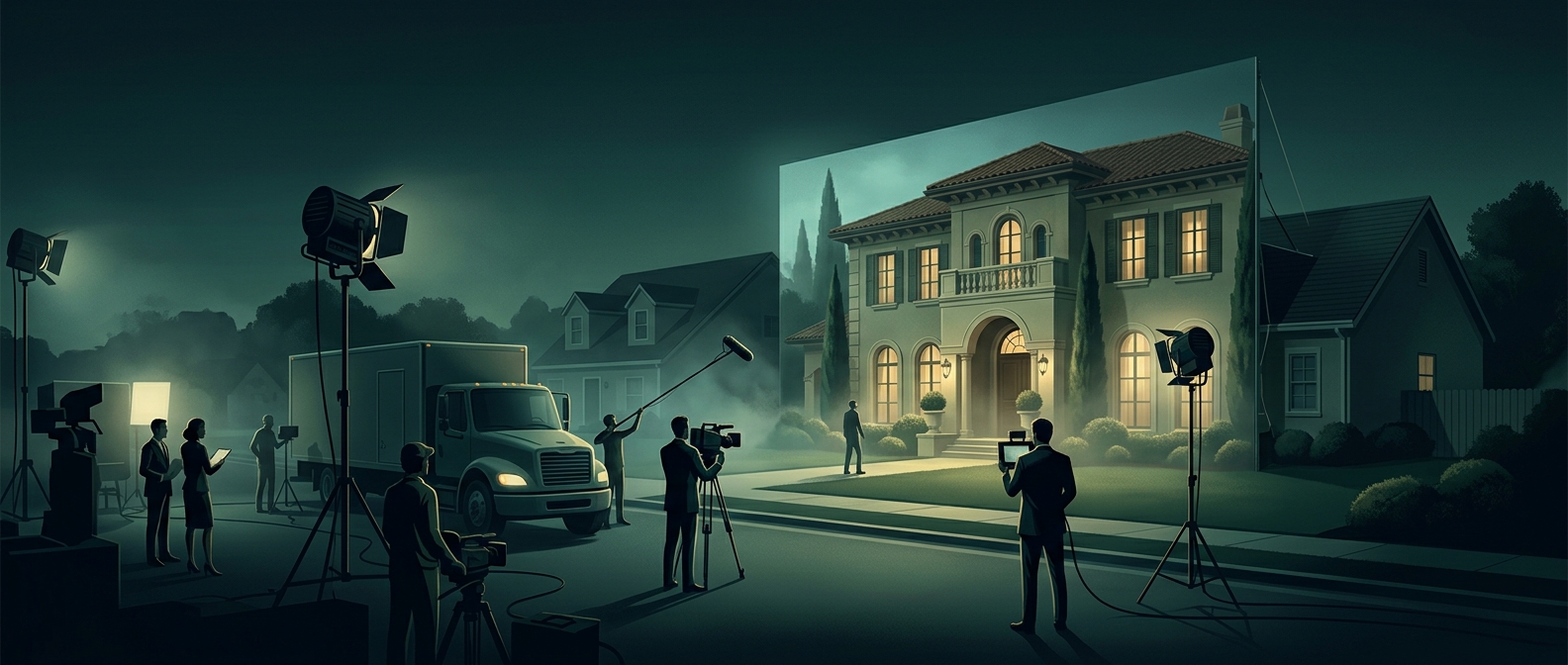
In a romantic-mystery segment, producers may learn about a participant’s relationships and personal history before the cameras roll. That preparation helps them decide what questions to ask, which people to bring into the story, and when to reveal a key detail. The host’s apparent astonishment can therefore be part of a planned sequence: the host may already know the reveal and be following cues about when to react or move the conversation along.
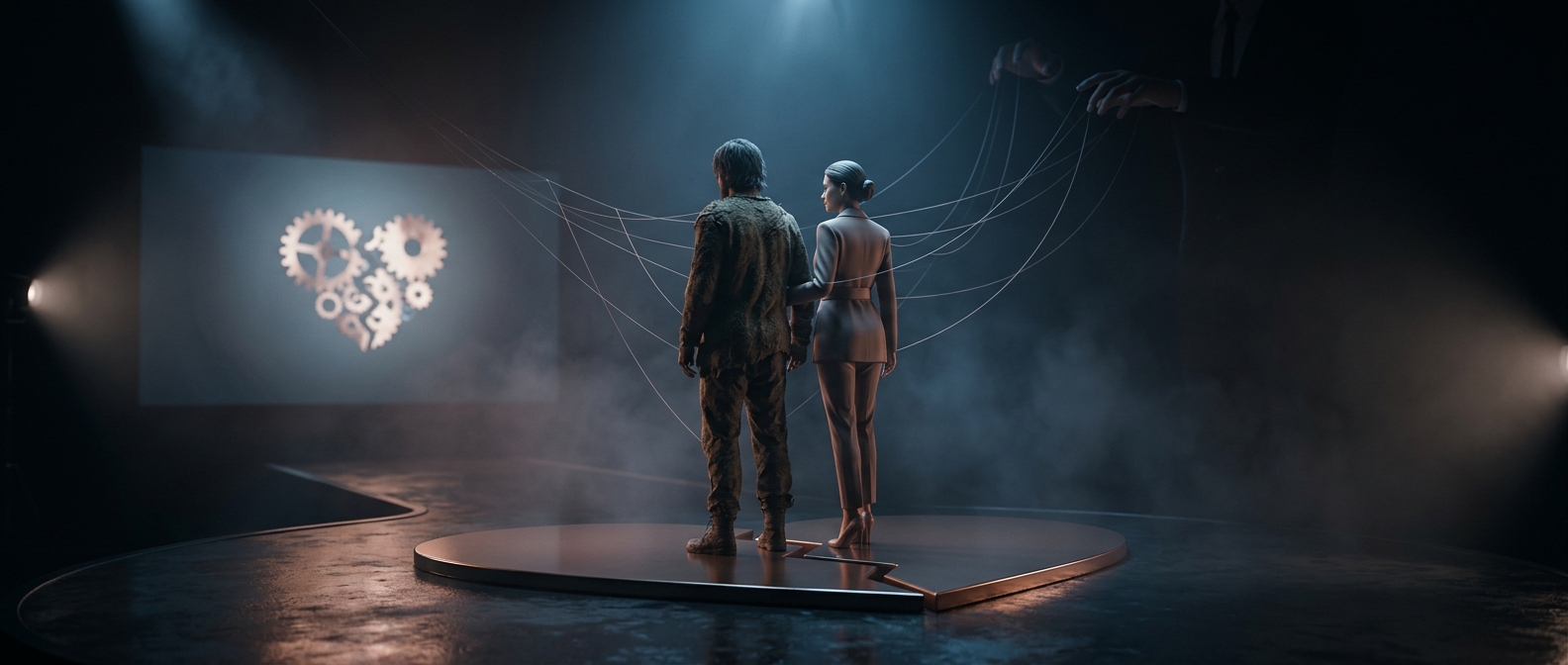
That does not mean every moment is scripted word for word. A plan can set the order of events while leaving room for participants to respond in their own way. The host’s role is to make the scene legible—drawing attention to the reveal and keeping the story moving—rather than to discover it alongside the audience.
Why Plan a Reaction?
A live-feeling surprise depends on timing. If the host introduces the wrong subject too early, the reveal loses its build; if the conversation drifts, the audience may miss why the information matters. Pre-interviews and production research let the crew shape a sequence that feels spontaneous on screen but is easier to film and follow.
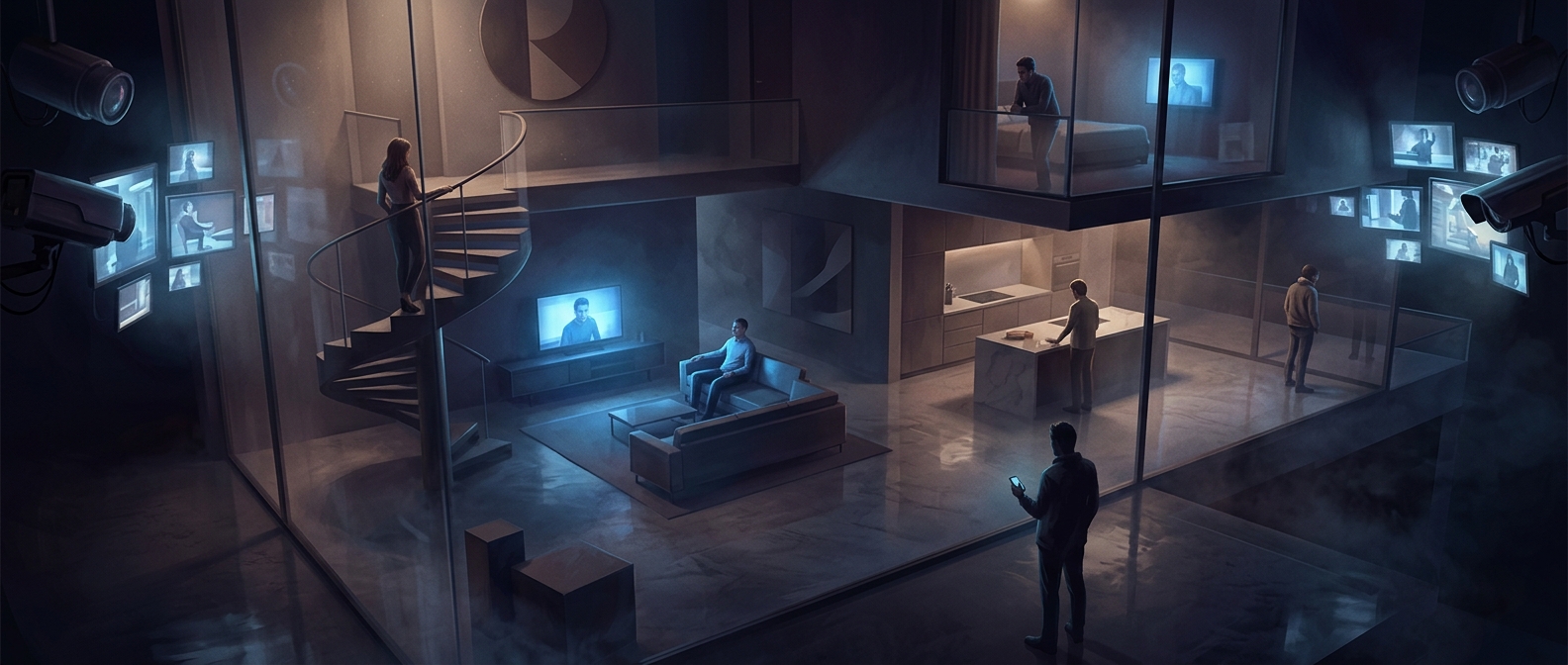
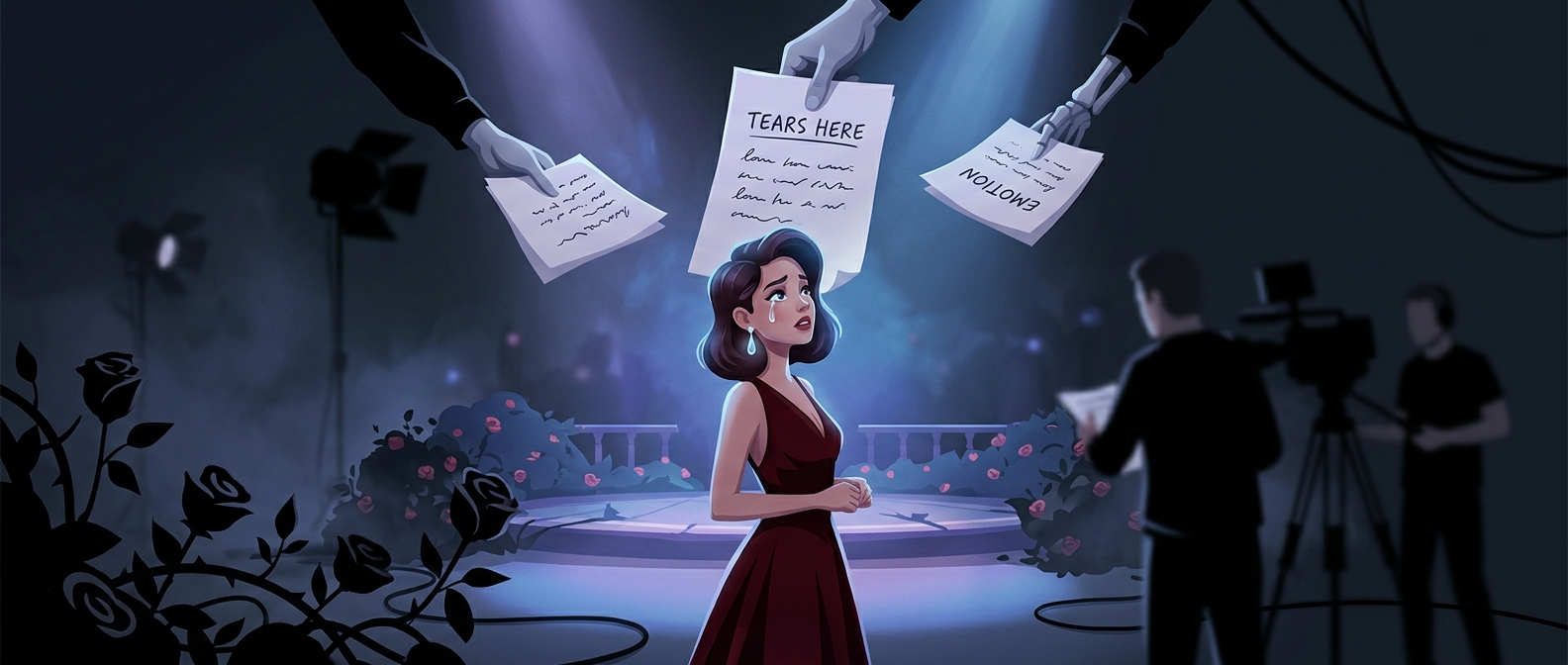
The result is a split between what the audience sees and how the moment was made. Viewers experience the reveal as new information, while the host may be helping deliver a beat whose timing has already been worked out. The surprise can still be meaningful for the people involved; what is rehearsed is often the presentation, not necessarily their feelings.