Conflict Is Part of the Casting Strategy
A dating show is not built only to find two people who might get along. It also needs moments viewers can follow: a disagreement over a messy room, a clash over who makes decisions, or a mismatch in how directly people speak. Casting people with opposing habits can make those differences visible as soon as they share a space.
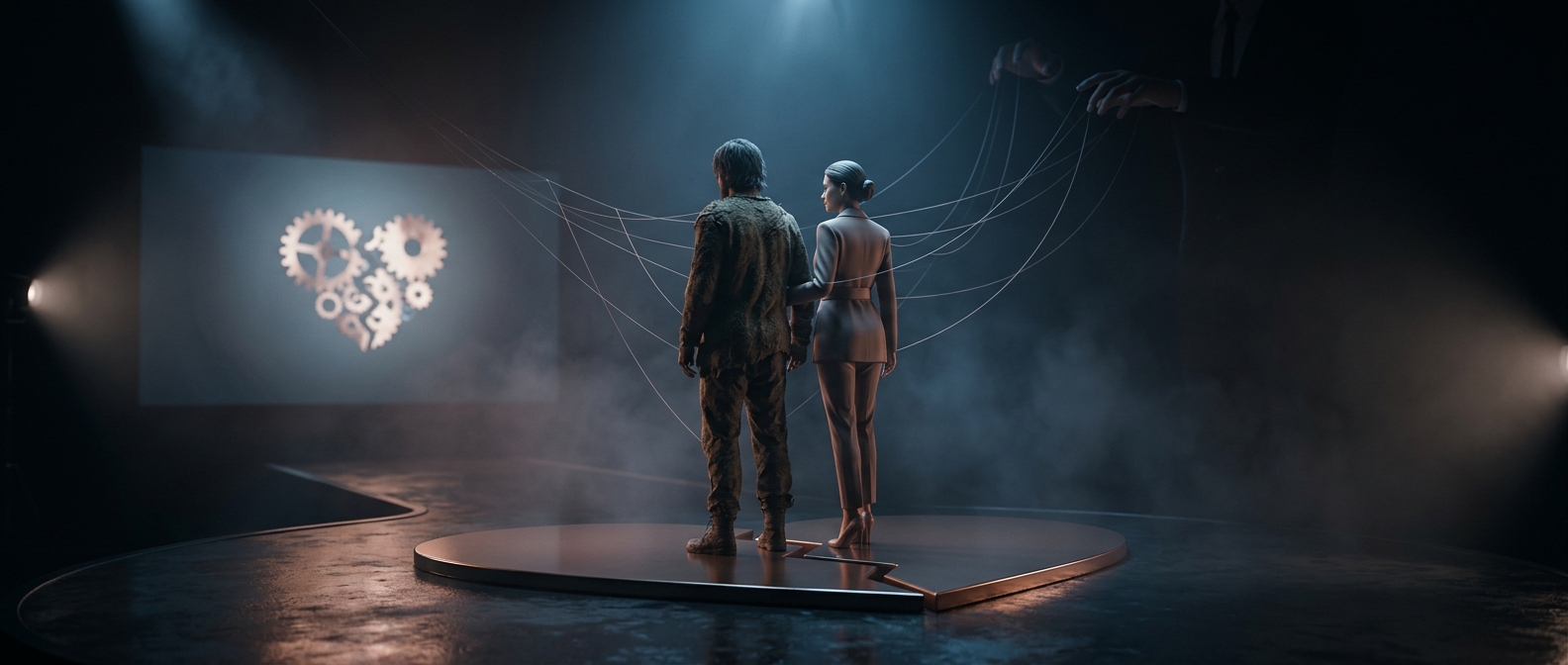
That does not mean every pairing is chosen at random or that producers can predict exactly how people will behave. The aim is to assemble a group whose personalities and expectations are likely to create distinct interactions. A tidy participant and a messy one, for example, bring a concrete point of friction into daily life; a forceful person paired with a more sensitive one may interpret the same exchange very differently.
Why the Mismatch Works on Screen
In ordinary dating, people can quietly avoid a subject or leave a date. A show’s format may keep participants interacting through shared activities, conversations, or decisions. That makes small differences harder to sidestep. Viewers can see what each person wants, how they respond when challenged, and whether a disagreement reveals a deeper incompatibility—or simply a misunderstanding.
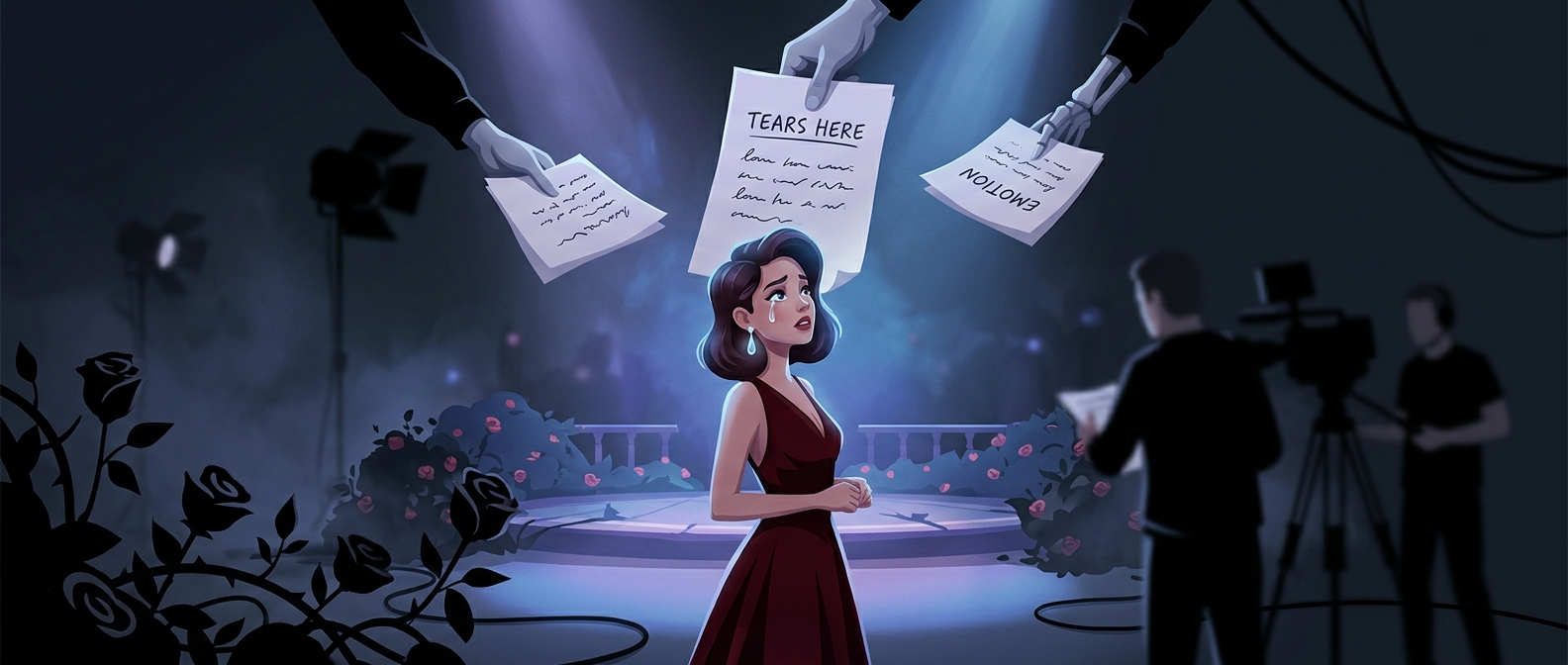
The resulting tension gives an episode a story: a difference emerges, the pair reacts, and the relationship either adjusts or strains. Producers can create conditions for that story by choosing the cast, but they cannot fully control what participants feel or how a relationship develops. The mismatch is a source of drama, not a guarantee of a breakup.
This is why a television pairing may look less like an easygoing match than a deliberate test. The question is not just whether the couple could work; it is what becomes visible when their everyday expectations collide.