Why the Camera Can Become a Contestant’s Biggest Shopping Expense
A dating show turns ordinary clothes into part of the production. Contestants may need looks for dates, group scenes, and interviews filmed separately from the main action. Because clothing appears repeatedly on camera, a small wardrobe can become conspicuous: viewers may notice the same outfit across scenes, while different looks help distinguish one appearance from another.
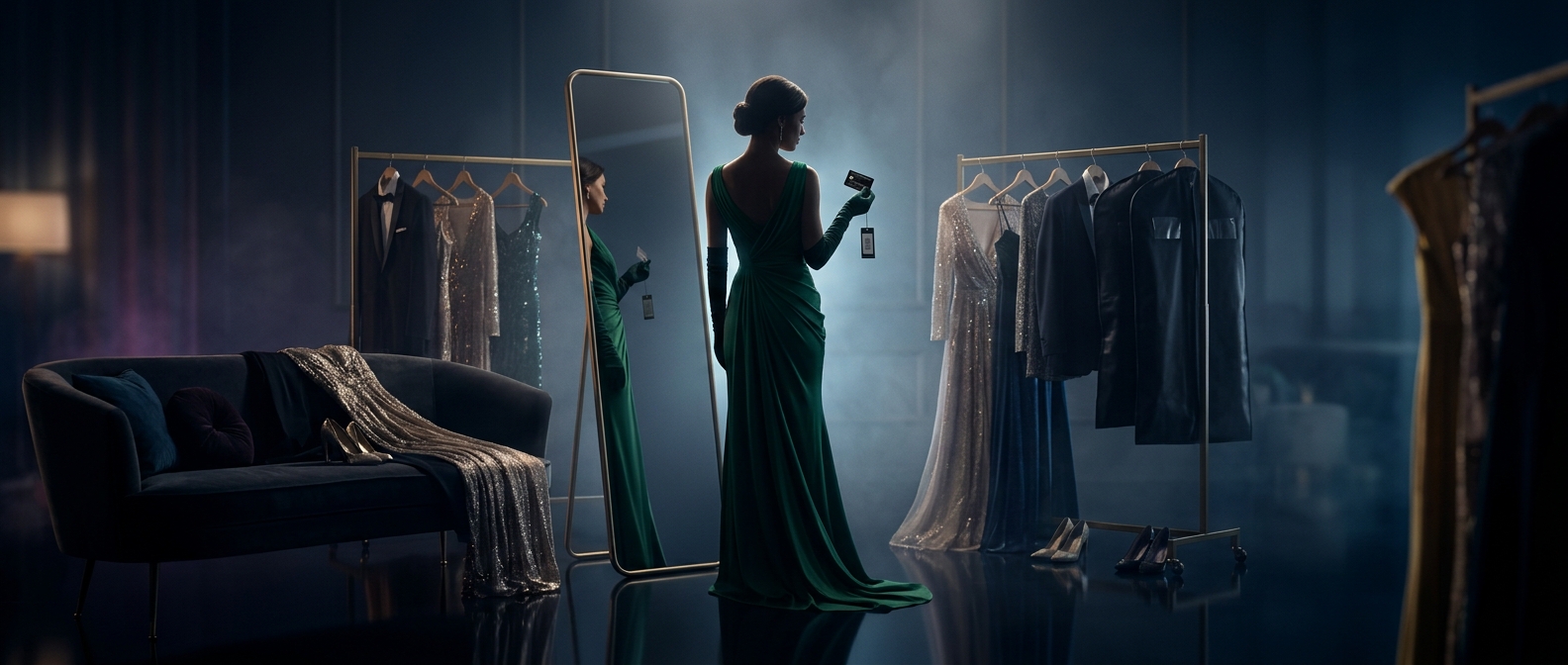
When production does not provide a clothing allowance, that visual demand shifts to the people on screen. Contestants who want a particular look—or simply enough options for filming—must shop with their own money. The expense can add up quickly, especially when they are preparing for an experience whose schedule and final screen time they cannot fully control.
The Cost Is More Than a Closet
The burden is not just the price of individual outfits. Buying clothes before filming means spending money in advance, without knowing how much of the material will air or whether the investment will bring any lasting opportunity. Contestants with more disposable income can afford more choices; others may have to repeat clothes or work with what they already own.
That makes wardrobe a quiet point of inequality in a format presented as romance and personality. The camera records what contestants wear, but the cost of looking ready for it may fall on the contestants themselves.