Building Edna Turnblad Around a Moving Performance
In Hairspray, John Travolta’s transformation into Edna Turnblad had to do more than change his appearance: it had to hold together through a musical performance. The padded suit created Edna’s rounded silhouette, while facial prosthetics reshaped Travolta’s features. Together, they made the character’s look read clearly on camera—but also added weight and trapped body heat.
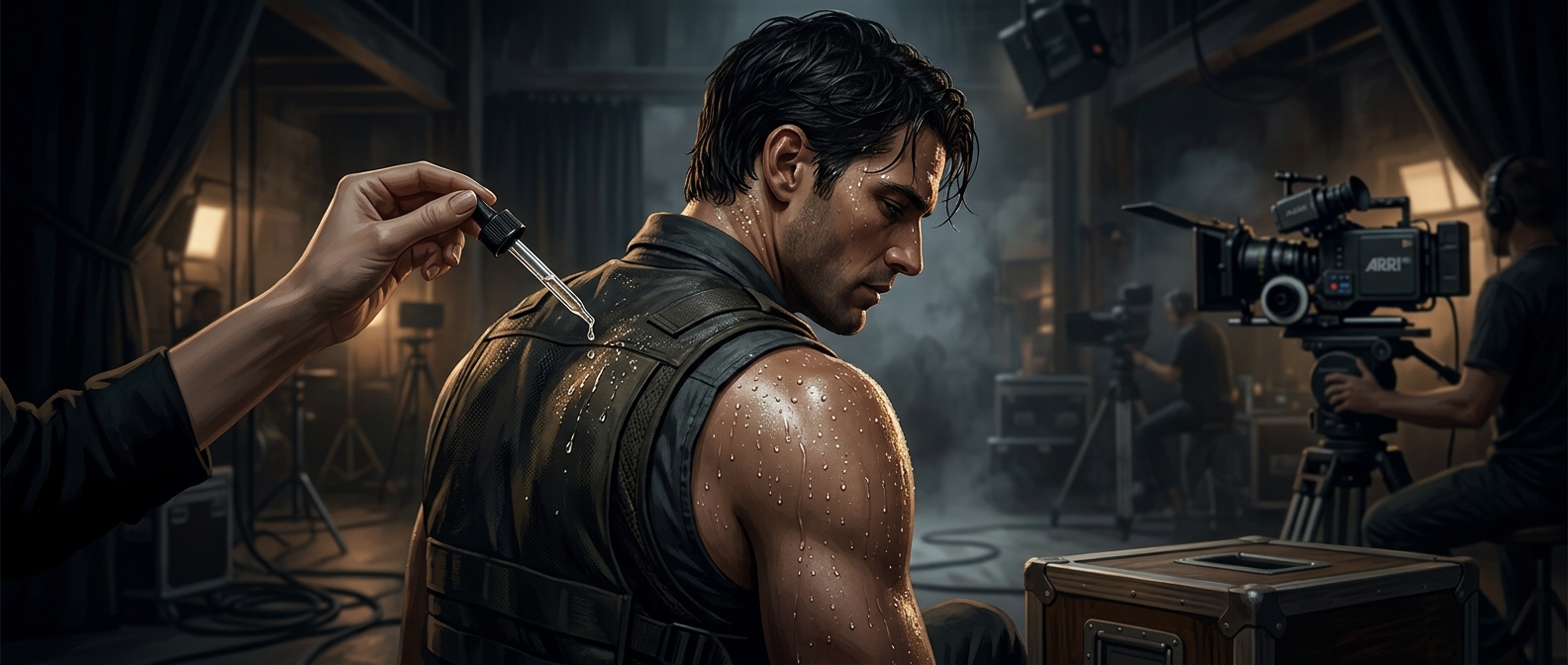
That creates a practical problem for a musical number. Singing and dancing raise the performer’s body temperature, and layers that conceal the performer’s natural shape can make it harder to shed heat. A portable air-conditioning unit between numbers gave Travolta a chance to cool down before the next performance. It was a backstage fix for a costume whose visual effect came with a physical cost.
The Costume Had to Serve the Character
Edna’s size is part of how the audience recognizes her, so simply suggesting the shape with ordinary clothing would not have achieved the same transformation. But the outfit also had to allow Travolta to move, sing, and play the scene. The challenge was to balance a convincing silhouette against the demands of a working musical performer.
The result depended on more than the suit itself: the prosthetics completed the face, while Travolta’s movement and performance carried the character. The cooling unit shows the tradeoff in concrete terms—what looked like a finished transformation on screen required active heat management between takes or numbers.