How the 1988 Writers’ Strike Opened Airtime for Cops
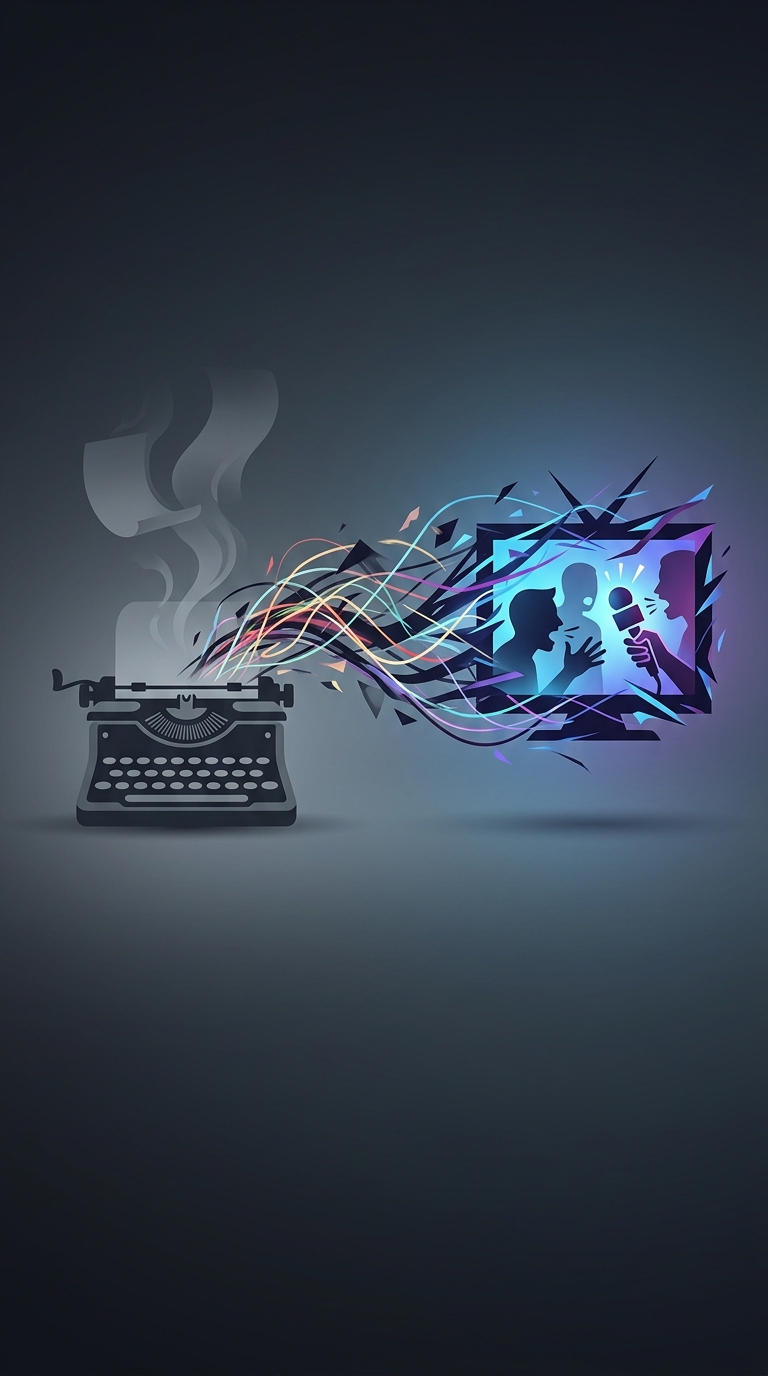
The Writers Guild of America strike in 1988 disrupted the supply of new scripted television. With writers off the job, networks faced a practical problem: how to keep schedules filled without relying on freshly written episodes. Unscripted programs offered one answer. They could be made without the usual scriptwriting process and often cost less than dramas or sitcoms, making them appealing when production plans were under pressure.
That did not invent reality television. Documentary-style and unscripted programs had appeared decades earlier. But the strike helped make the format’s economic appeal harder for broadcasters to ignore, and it added momentum to a shift already under way.
Why Cops Fit the Moment
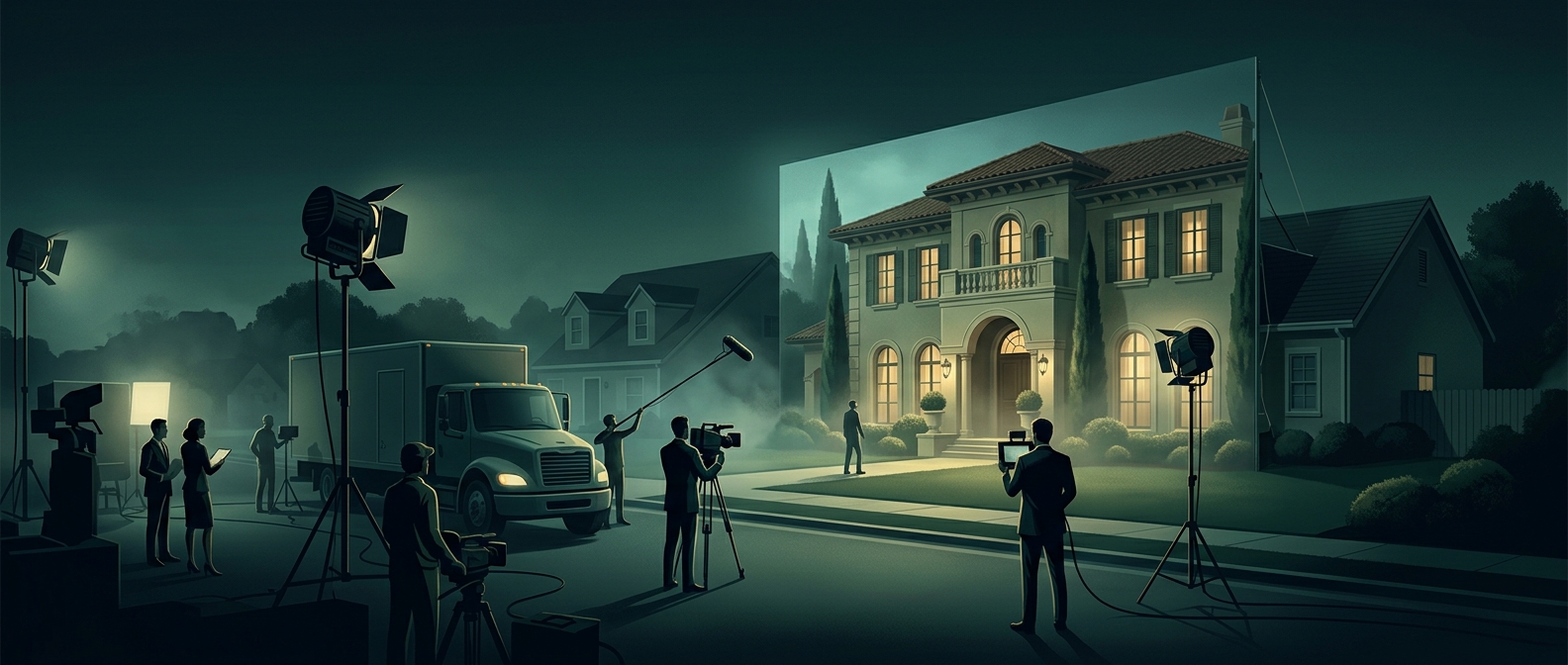
Cops, which premiered in 1989, turned the camera toward police officers doing their jobs. Its basic setup—following officers on patrol and letting events unfold—avoided the expense and delay of building each episode around a scripted plot. Real incidents supplied the drama, while editing shaped the footage into a television story.
The format also suited a changing television landscape. Fox, a newer network competing for viewers, had reason to try programs that could stand apart from established broadcasters’ scripted schedules. A documentary-style series could be distinctive without requiring the large cast, sets, and writing staff of a conventional drama.
A Catalyst, Not a Single Cause
The strike was a catalyst rather than the sole cause of reality TV’s rise. Broadcasters were already interested in cheaper programming, and Cops depended on its own durable premise as well as the moment it entered the schedule. Later reality formats would build on a wider range of approaches, from competition to personal observation.
The lasting consequence was a change in what television executives could imagine as a reliable series: not only stories written in advance, but also stories assembled from real people and unfolding events. The strike made that alternative especially useful—and helped clear space for Cops to prove it could keep viewers watching.