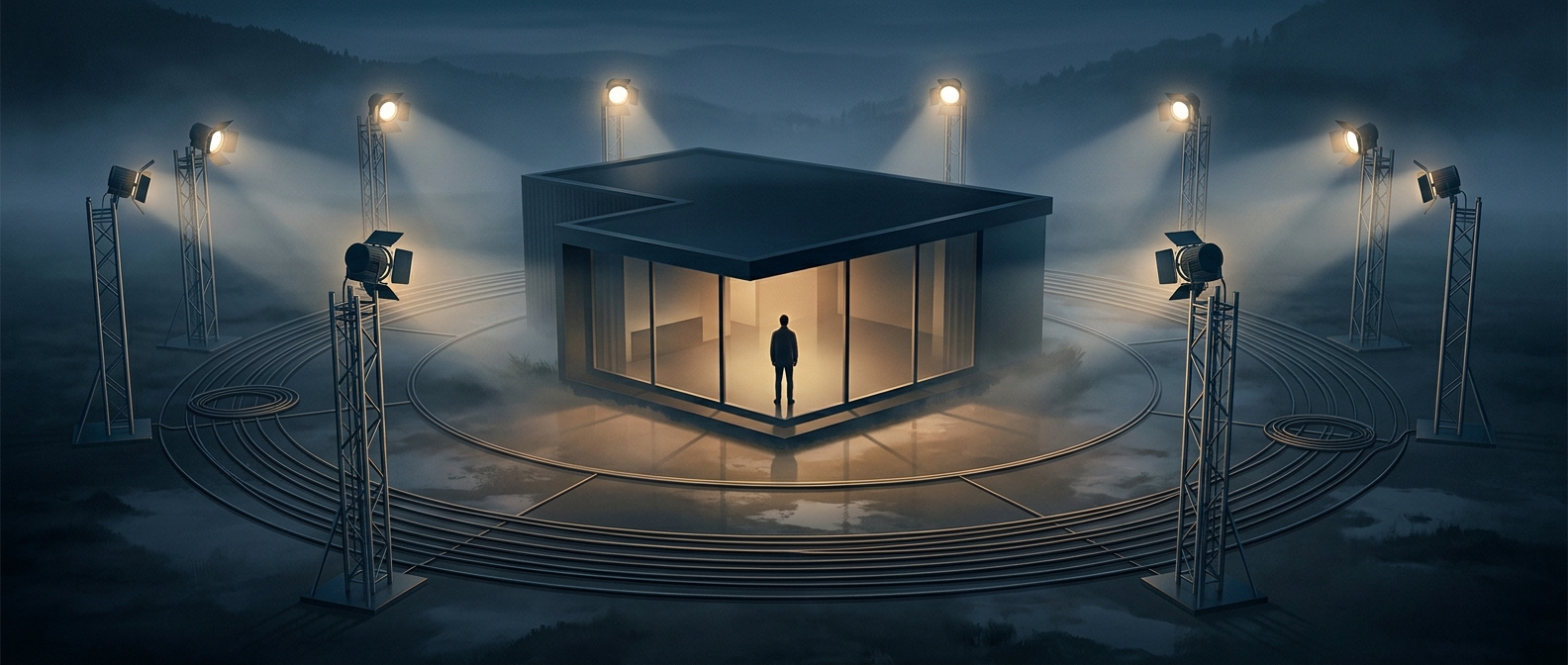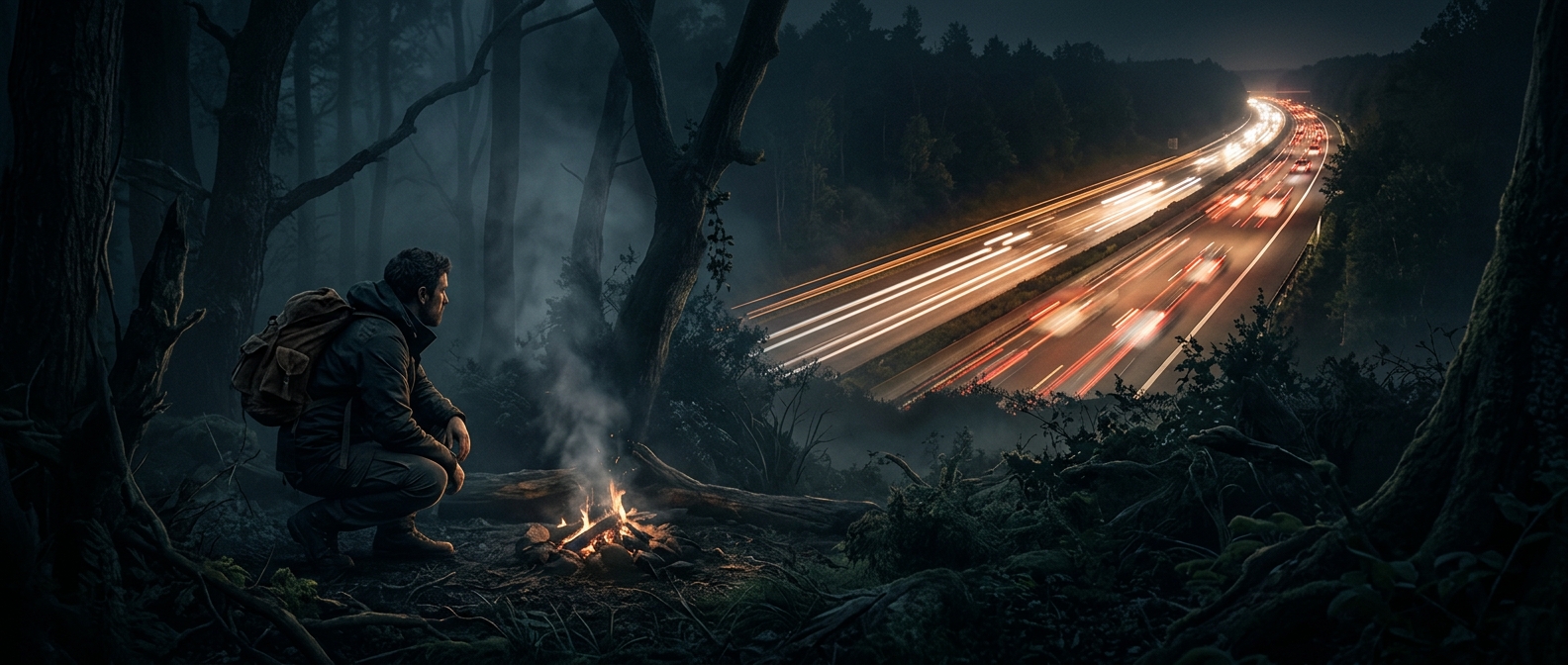
The wilderness on camera has a production perimeter
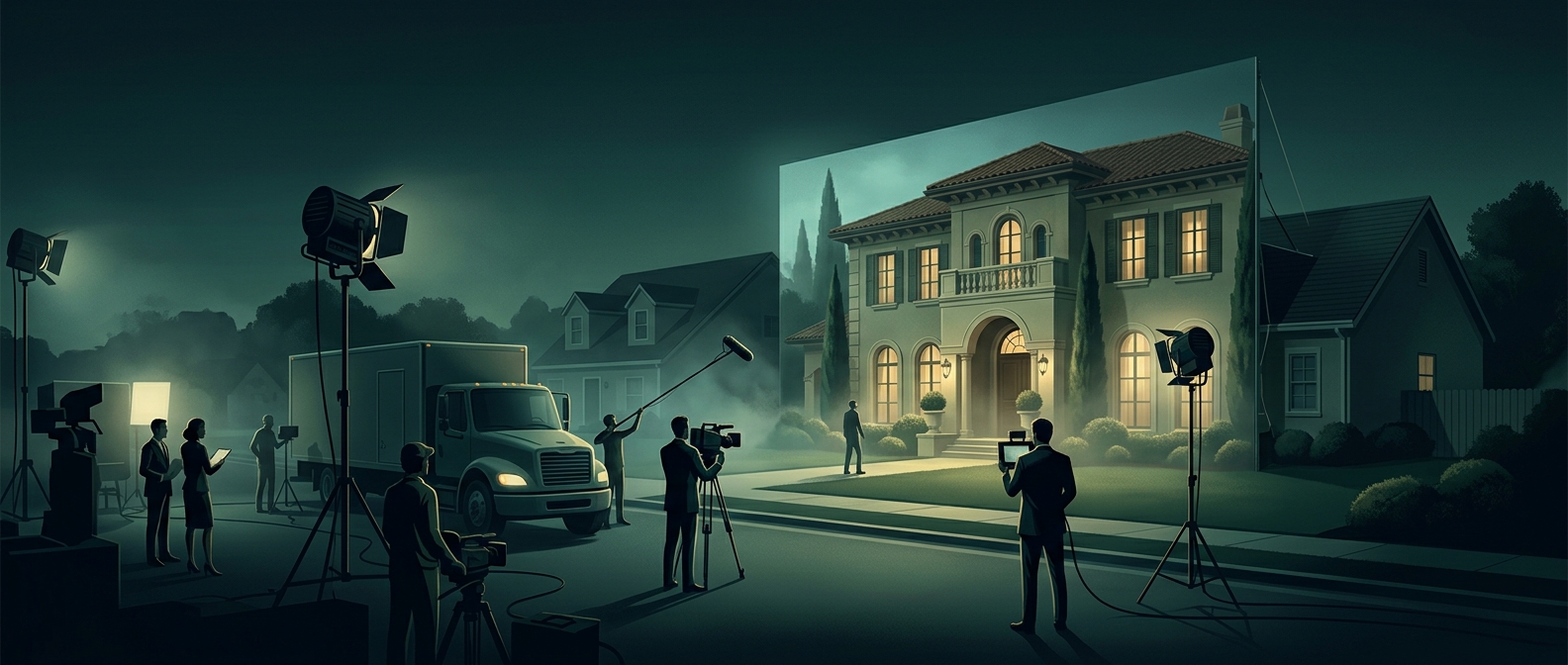
A survival show has to look cut off from civilization while remaining manageable to film. That creates a practical compromise: a location can feel wild on screen yet sit within reach of roads, lodging, or other facilities. Nearby access lets crews carry equipment, move footage, and respond if a contestant is injured or conditions become unsafe.
The distance viewers perceive is not necessarily the distance the crew travels. Producers can film contestants in a bounded area, keep roads and buildings outside the camera’s view, and choose angles that emphasize trees, cliffs, or open water. Editing then connects those images into a continuous-looking wilderness, even when the filming site is part of a more developed region.
Isolation can be real without being geographic
What matters to the on-screen challenge is often what contestants are allowed to use, not how many miles separate them from a town. A production can restrict access to supplies, communication, and outside help while keeping safety staff and evacuation routes close enough to intervene. The contestants’ rules and the crew’s logistics are different systems operating in the same place.
That distinction explains the familiar contrast: a participant may be genuinely cold, hungry, or exhausted while a camera team has a practical route back to a vehicle. The landscape supplies the hardship; framing and production boundaries shape how remote it appears.