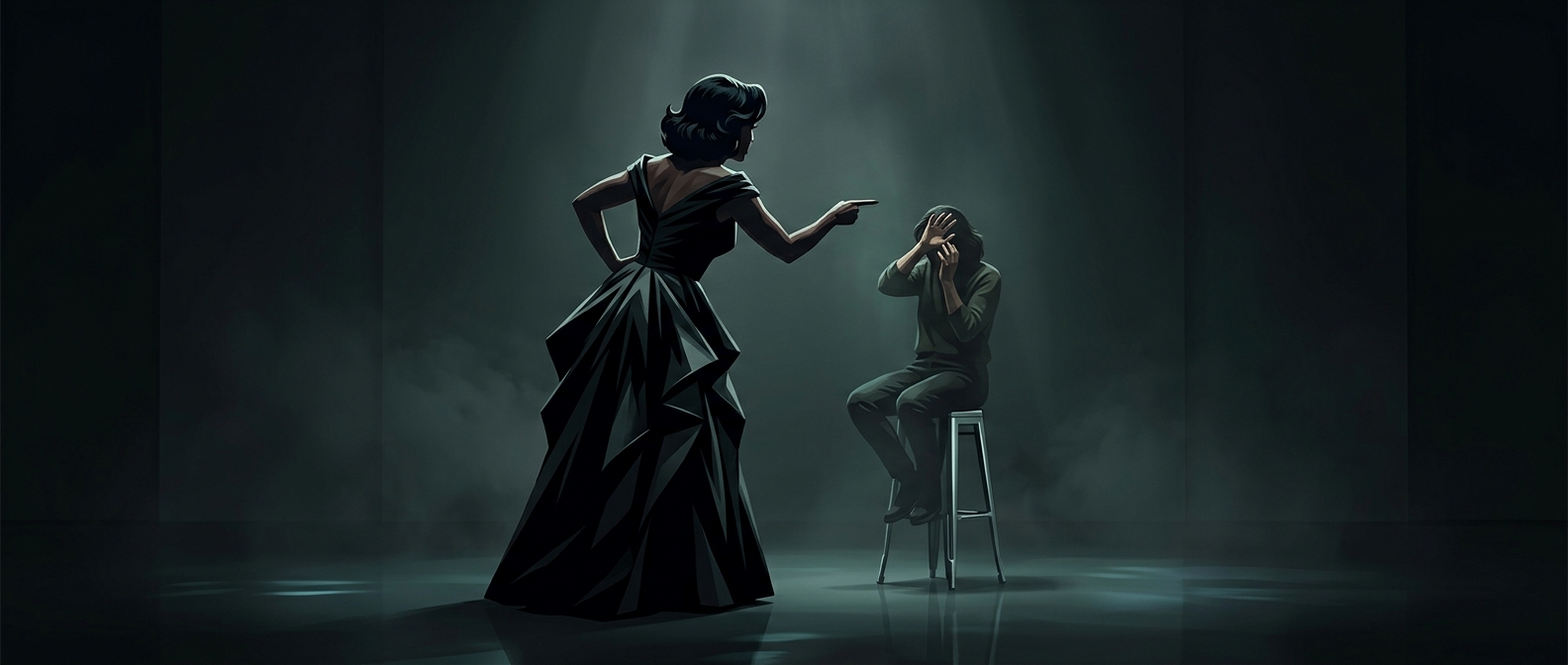
How a contestant becomes the antagonist
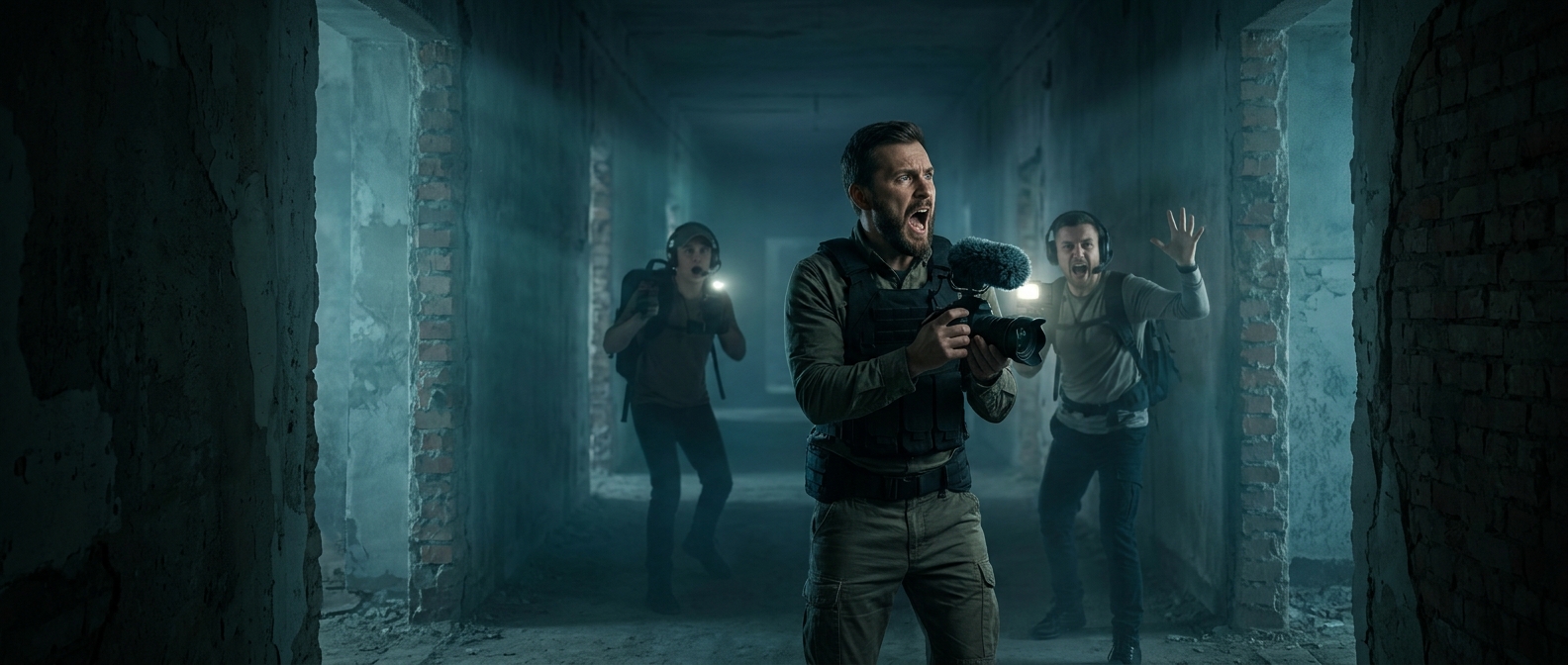
A reality-show antagonist is not necessarily the person who behaves worst in every moment. It is the person the episode’s story makes easiest to read as an obstacle: someone whose choices spark conflict, threaten another contestant’s plans, or divide the group. In a competition, a sharp refusal to cooperate can quickly become a recognizable character trait—and a useful plot engine.
Conflict is easier to follow than quiet strategy
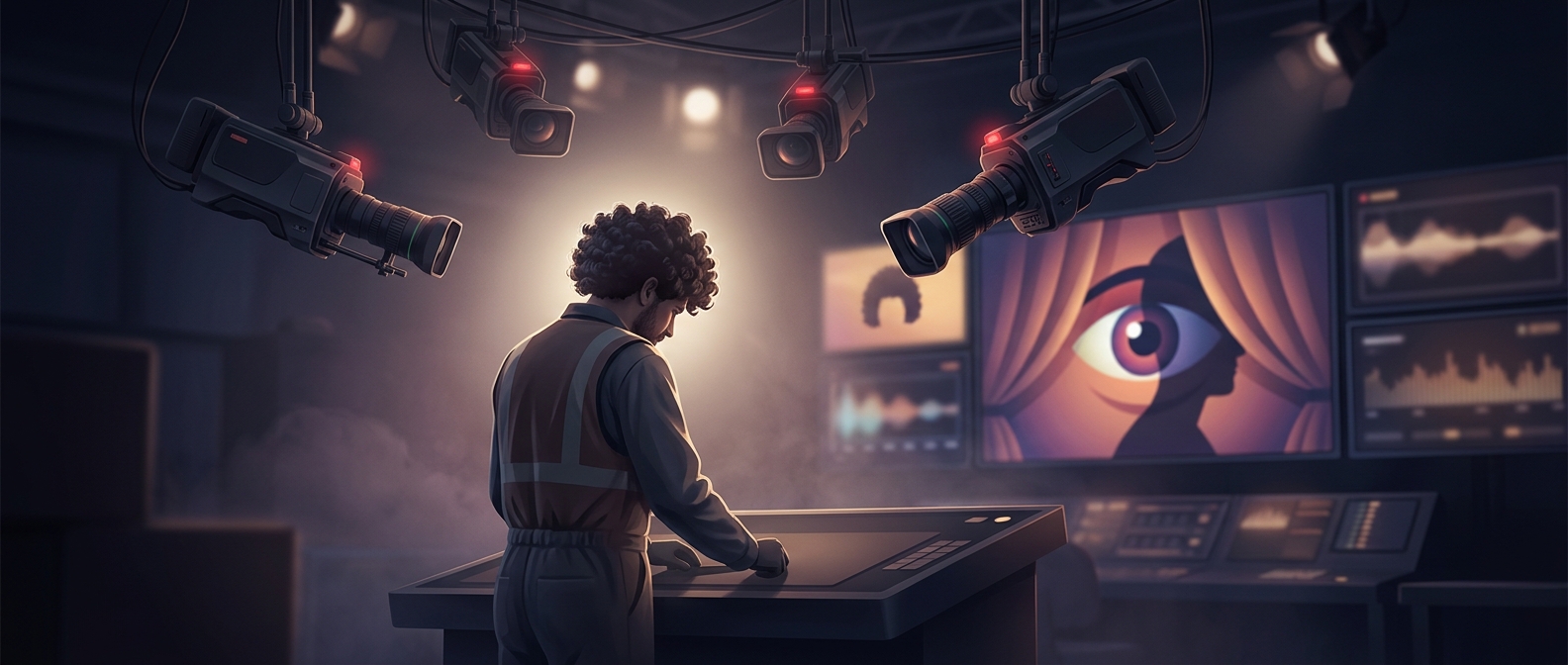
Reality shows record far more material than they can air. Editors select moments that make relationships and stakes legible, then arrange them into a sequence: a disagreement, a reaction, and a consequence. A tense dinner or pointed remark is especially easy to understand on screen; a cautious negotiation or a long stretch of ordinary conversation may be harder to shape into a scene.
Confessionals—interviews in which contestants reflect on events—can help connect those scenes, while reaction shots can emphasize how others received a comment. The result may give a contestant a consistent role even when the full footage would show more mixed behavior. That does not mean a conflict was invented; it means viewers encounter it through a limited, edited account.
A role with costs and rewards
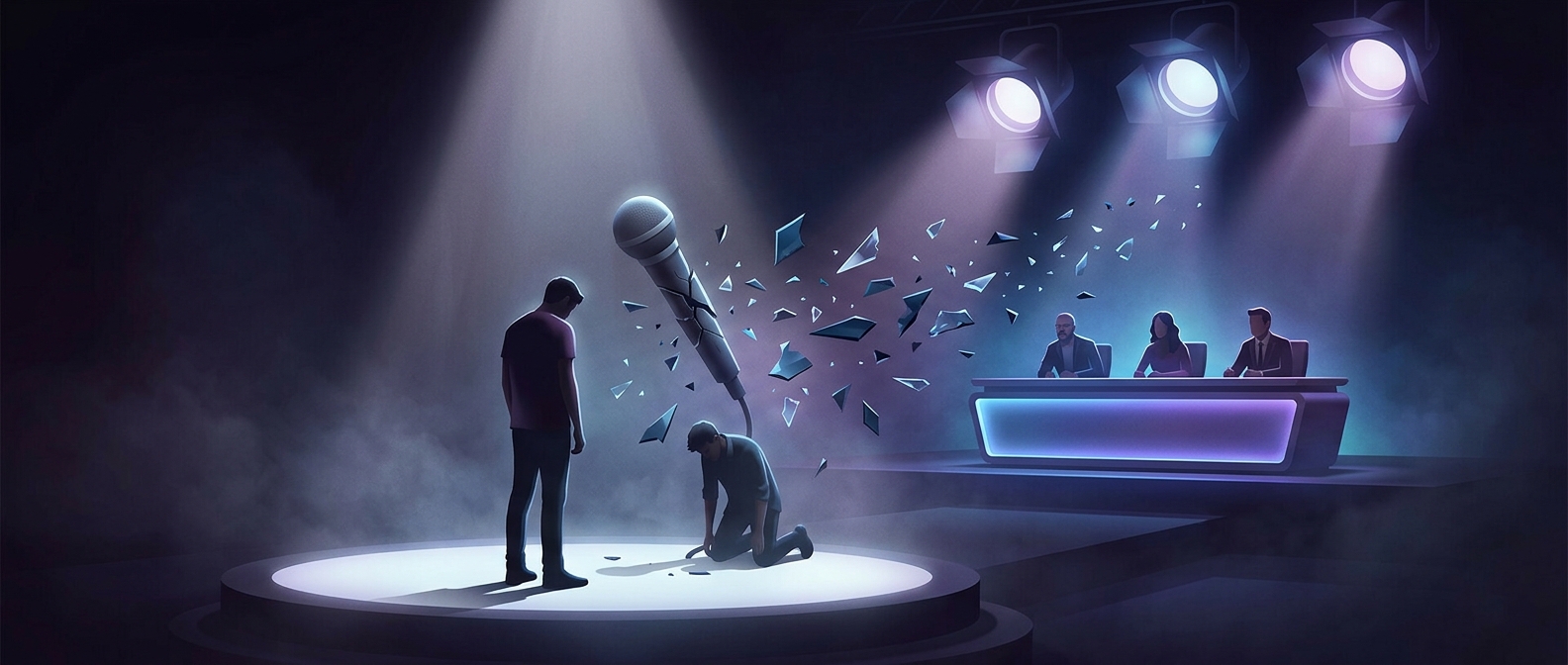
Being memorable can bring attention, but attention is not the same as audience approval. A confrontational contestant may command screen time while losing allies inside the game or becoming the focus of viewers’ criticism. Other contestants, meanwhile, can gain sympathy by appearing calm beside them.
That contrast gives a cast’s interpersonal clashes a clear shape. A single ugly exchange can do more than embarrass one person: it can establish who seems powerful, who feels isolated, and which relationships may fracture next.