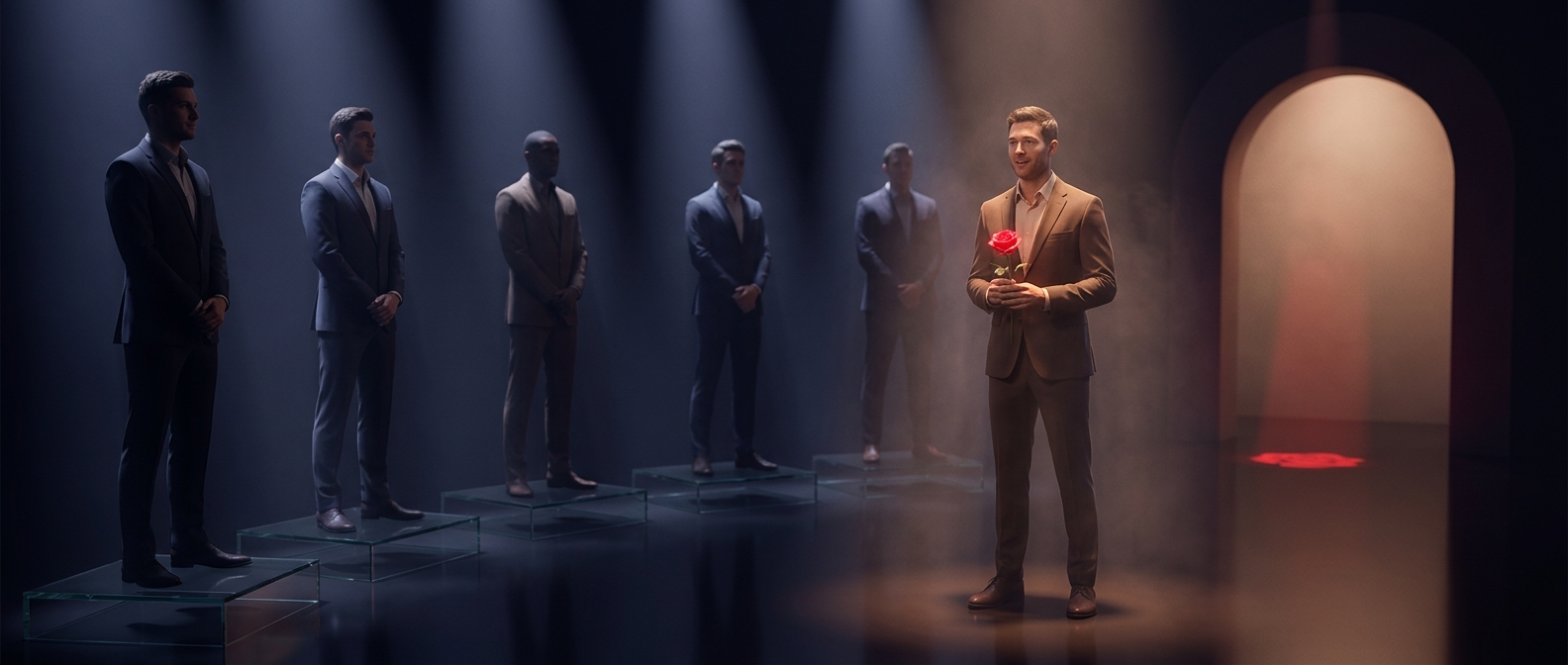
A disguise built for television, not anonymity
On Undercover Boss, the disguise has to do two jobs: make a company leader look different enough to enter a workplace in a lower-level role, and make that change instantly legible to viewers. A wig, altered facial hair, or a new style of clothing is visual shorthand—a quick signal that the person on screen is trying to pass as someone else.
That is a different standard from a convincing real-world disguise. Viewers already know the executive’s identity, so they are watching for clues: a familiar face, an awkward costume, or behavior that seems out of place. The disguise can therefore look obvious to the audience even while serving the story’s basic setup.
The camera is part of the problem
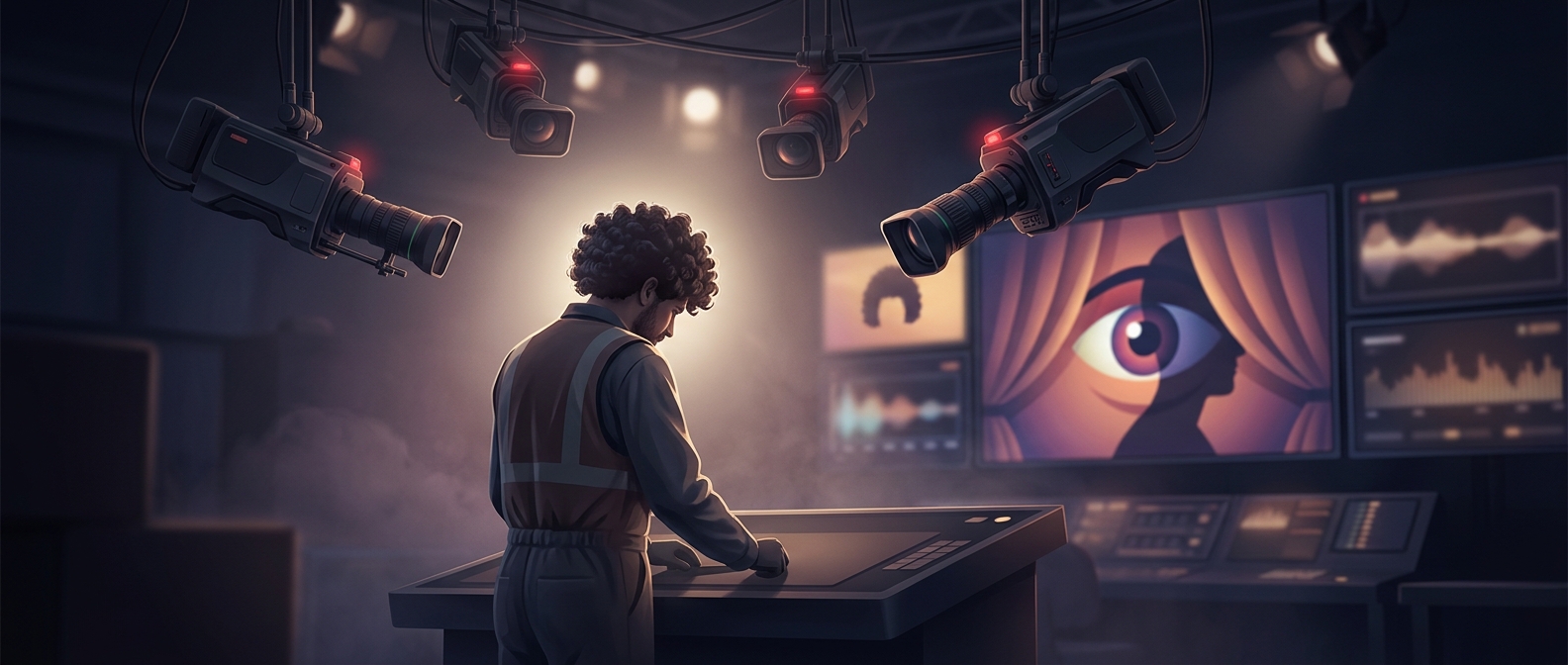
A genuinely hidden visit would be difficult to film as a television episode. The program needs to show the boss meeting workers and doing their jobs, which means cameras and a production crew are present. The format asks viewers to accept that the executive is concealed while also giving them a clear view of the encounter.
That tension can make a disguise feel less like a secret identity and more like a costume for a role. The show’s dramatic payoff depends less on fooling every viewer than on the contrast between the boss’s public position and the ordinary work being done around them. A wig may not erase the CEO’s recognizable face; it marks the moment the person is supposed to step into someone else’s shoes.