How a failed audition becomes a scene
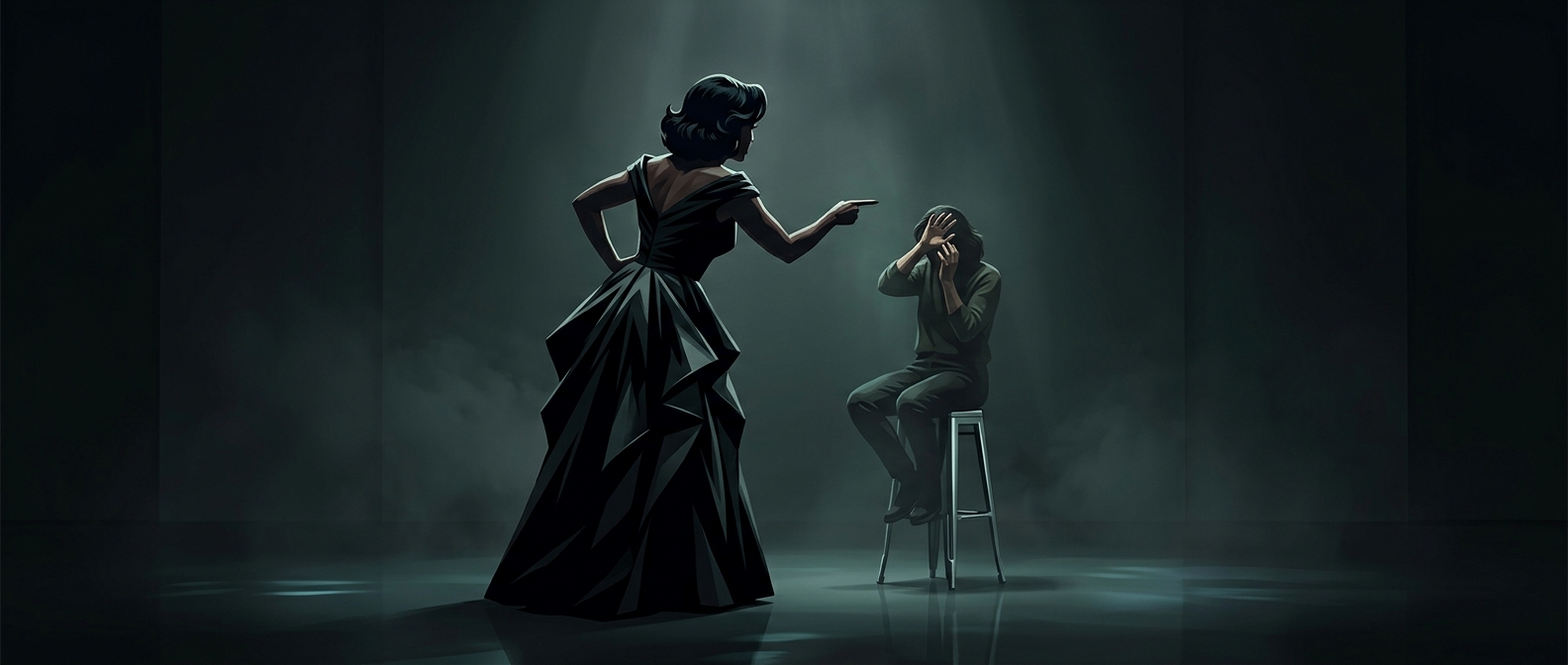
An audition on television is not just a test of whether someone can sing. It is also a short story: a contestant arrives with a hope, performs, and then faces a judgment. When the performance falls apart, the contrast between confidence and result gives the scene an immediate turn. A judge’s blunt response supplies a clear ending—and often a reaction viewers can understand without musical training.
The edit shapes the experience
A broadcast audition is a selection from a much larger process. Producers choose which moments to show and place them in an order that creates rhythm: an awkward performance, a sharp critique, perhaps a surprised reaction. That arrangement can make a miss feel comic or uncomfortable, even though the same performance in a longer, less edited audition might land differently.
This is a basic tension in competition television. The program needs viewers to believe that contestants are being assessed for talent, but it also needs scenes with conflict and surprise. Strong performances demonstrate what the competition is looking for; conspicuous failures offer a different kind of payoff. The audition becomes entertainment not only because someone sings badly, but because the format turns the gap between expectation and outcome into a public judgment.
What the spectacle leaves behind
That framing can make the search for a singer seem secondary to the spectacle of someone failing. The judges’ reactions become part of the performance, and the contestant’s embarrassment can carry the scene as much as the singing. Viewers are therefore watching two things at once: an evaluation of a voice and a carefully shaped piece of television.