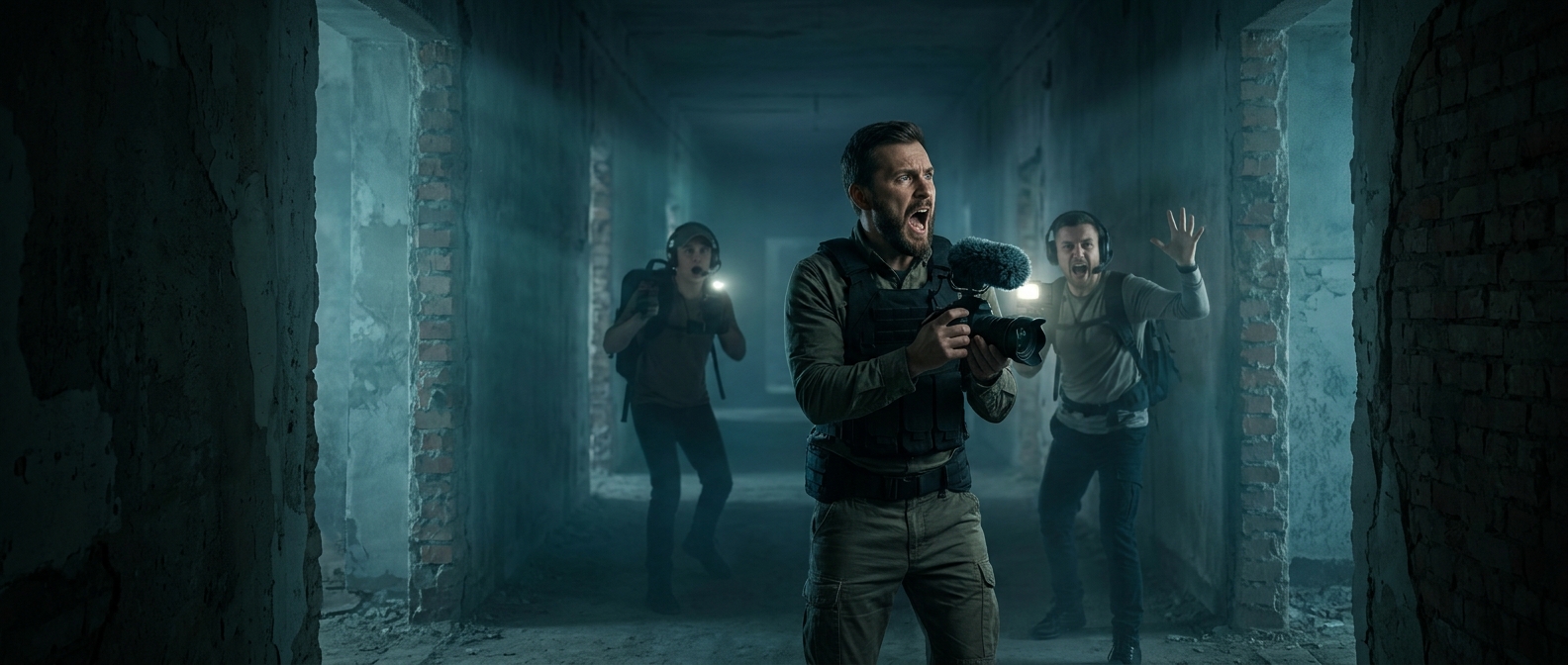
How an Empty Hallway Becomes a Scene
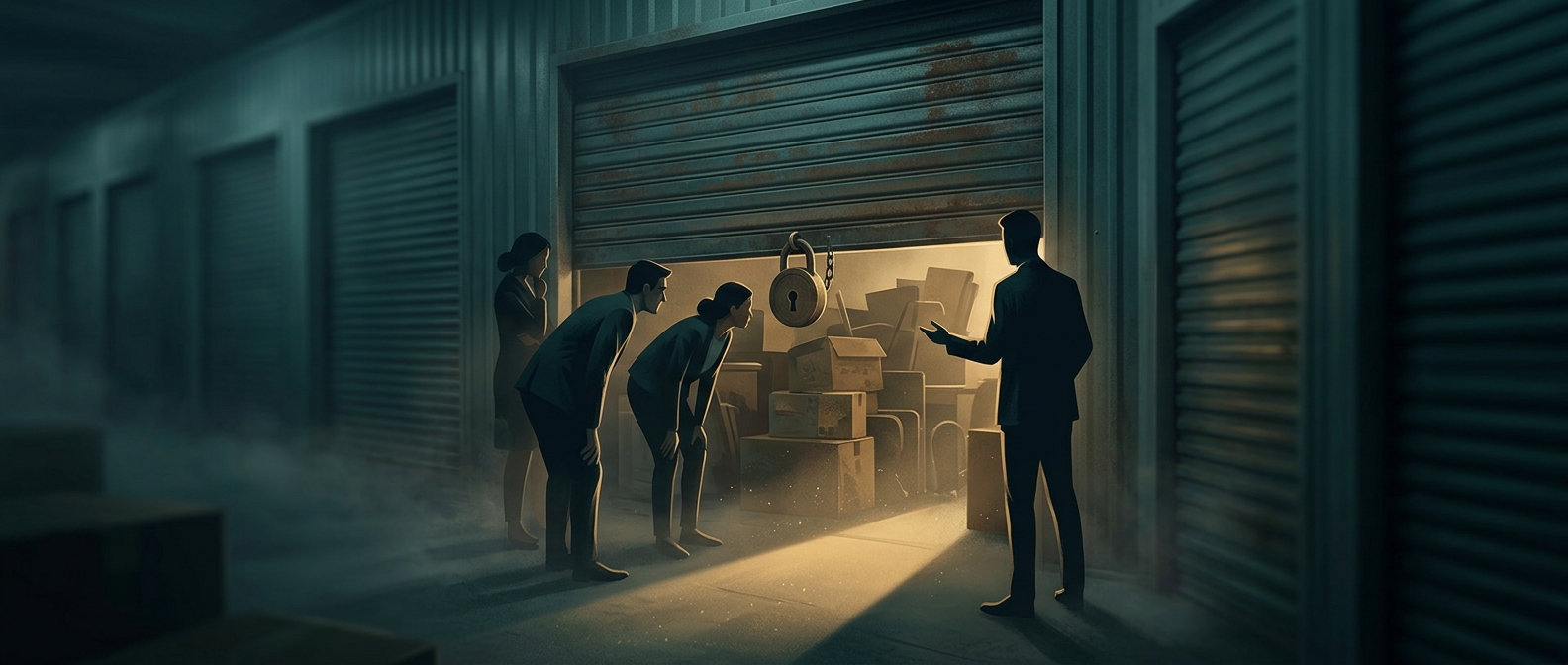
A hallway gives a ghost-hunting show something useful: a long view with little in it. The camera can linger on a doorway or dark stretch of floor while viewers wait for a change. In ordinary life, a creak or flicker might pass unnoticed. On television, the same moment arrives after the scene has taught the audience to watch closely.
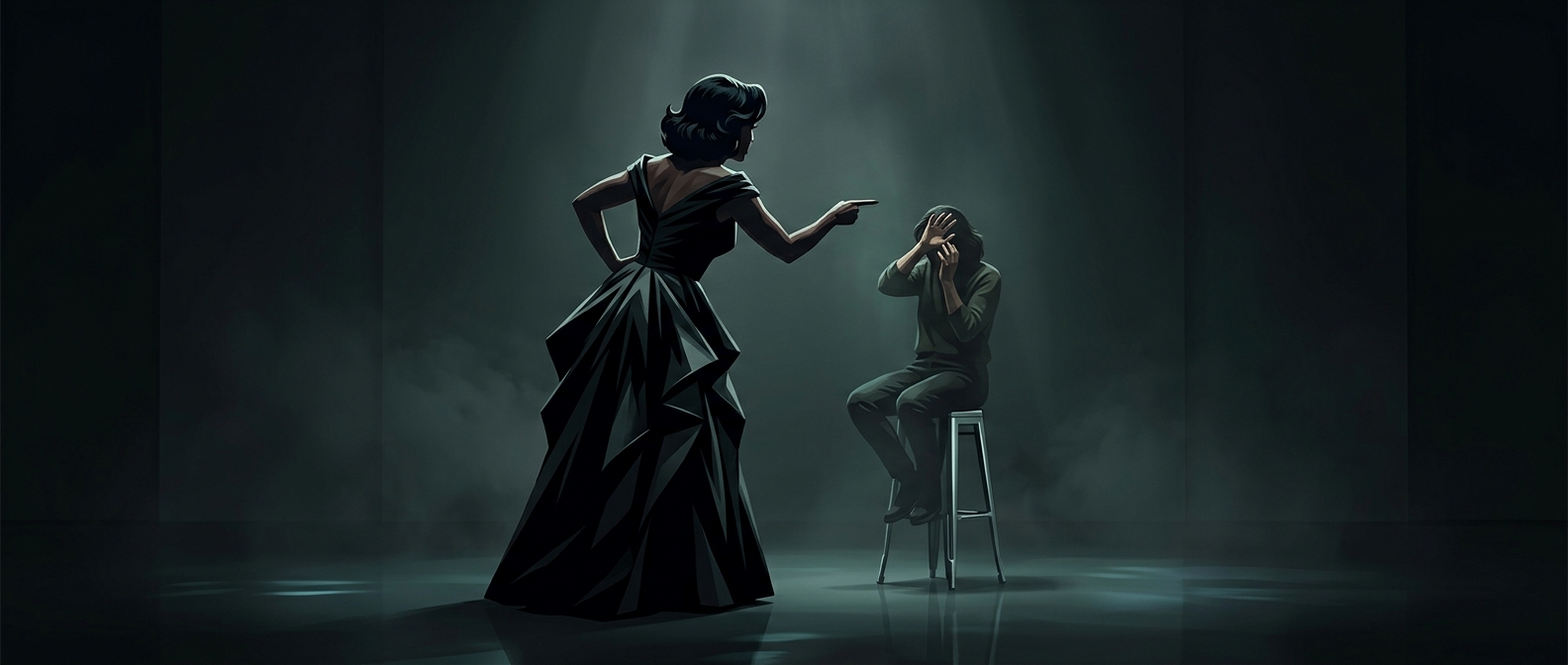
That buildup is a production choice. Editors can preserve pauses, cut between the hallway and the investigators, and let a small sound land before anyone explains it. A reaction shot—a brief view of someone responding—makes the moment feel consequential, even when the camera has captured no clear cause. Music and abrupt cuts can sharpen that uncertainty without showing anything definite.
The Suspense Lives in the Interpretation
These scenes often hinge on the gap between what a recording shows and what a person thinks it means. A thump may be audible without its source being visible; a shadow may appear without enough detail to identify what cast it. The show can present the observation first, then let an investigator offer a haunting as one possible reading. That sequence invites viewers to share the search for an explanation.
The format also turns limited evidence into a narrative engine. If every event were immediately clear, there would be little reason to keep watching. Ambiguity keeps the question open through the next camera angle, interview, or return to the location. The hallway becomes dramatic not because it has visibly changed, but because the show has made viewers wait for it to do so.