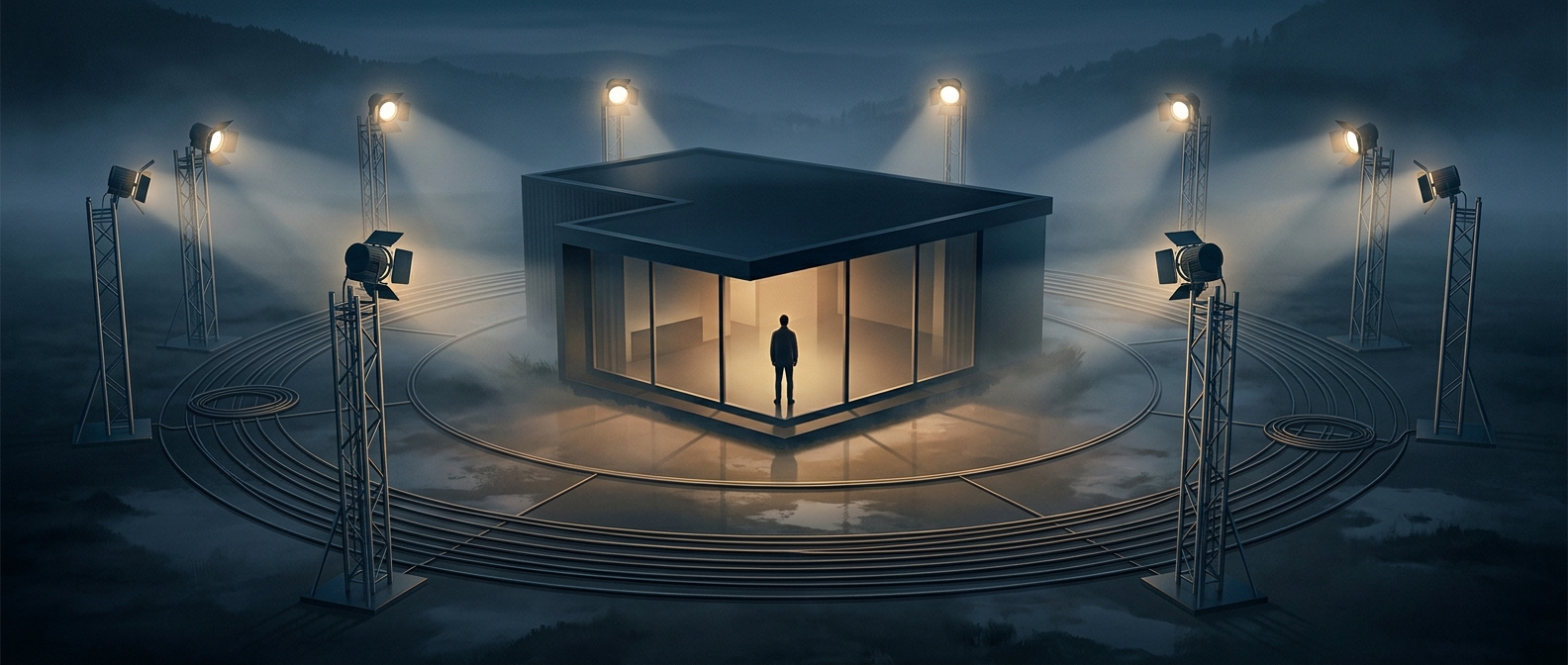
A house becomes a production system
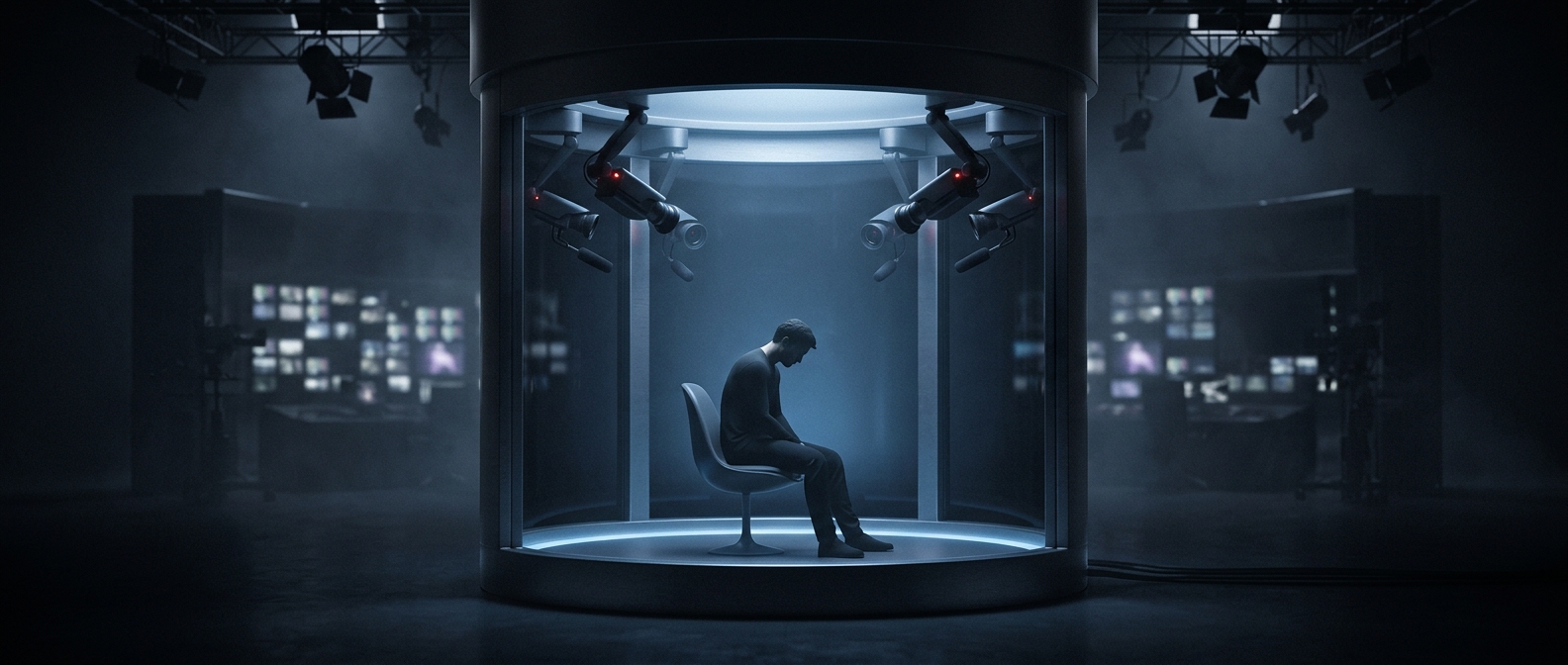
A reality-TV house is more than a backdrop: it is a place where producers can reliably capture people moving through ordinary parts of a day. Shared kitchens, living rooms, and bedrooms create recurring points of contact. Instead of arranging a new location for every scene, a crew can build coverage around a familiar space and keep the cast within reach.
That predictability matters behind the camera. Fixed rooms make it easier to plan where cameras and microphones can work, keep track of who is present, and film conversations without rebuilding the setup each time. A stable environment also gives editors a useful baseline: viewers learn the house’s routines, so a changed seating arrangement or an unexpected visitor can feel significant.
Why confinement can change the story
The same setup that simplifies production limits participants’ escape from one another. A disagreement may follow people from a shared meal into the next day’s routine; a quiet moment can become a topic because everyone else is nearby. With fewer outside distractions, small social shifts—who joins a conversation, who gets left out, who controls a common room—are easier to notice and can accumulate into larger tensions.
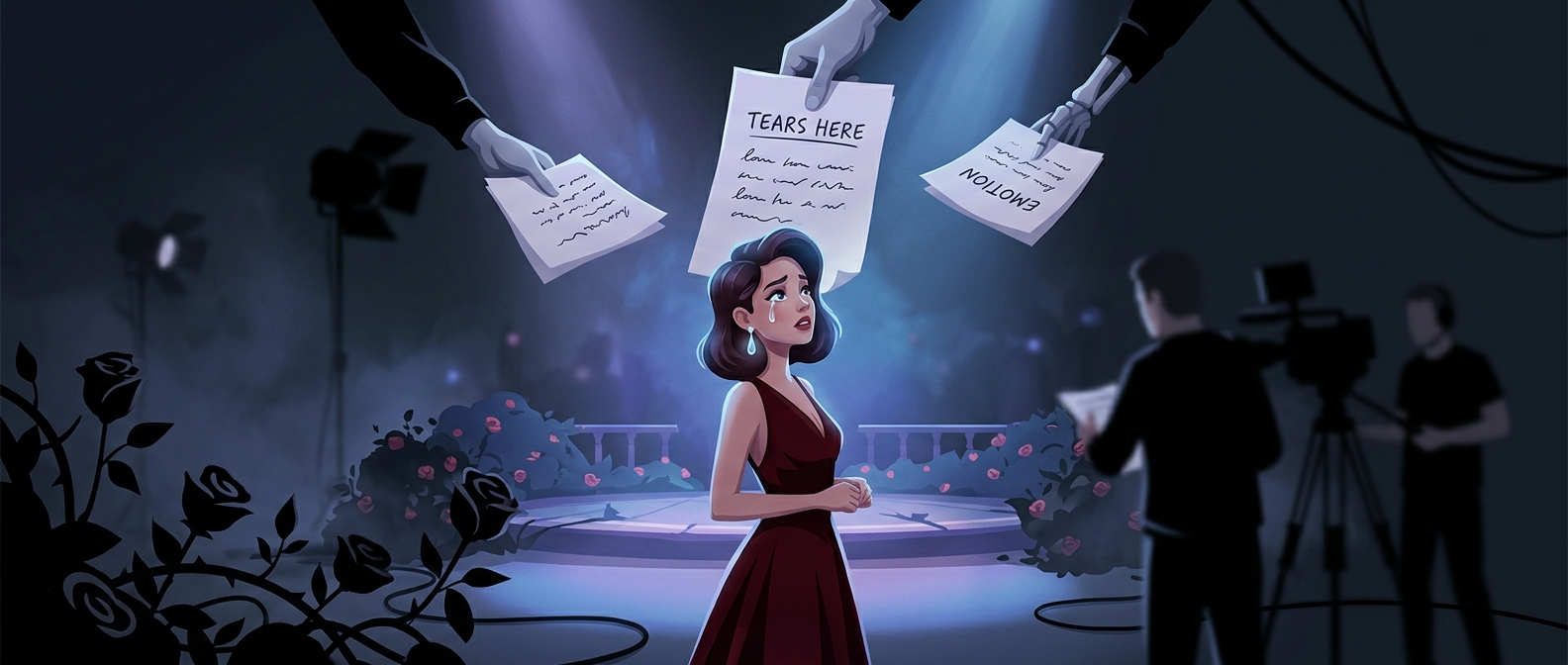
That does not mean conflict is automatic, or that every reaction is spontaneous. Producers still choose schedules, prompts, and what makes the final edit. But the house supplies a persistent social setting: cast members keep encountering one another after a scene would have ended in a less contained format. The production gains a dependable place to film, while the participants lose some distance from the people they may be arguing with.