Why a Sink Full of Dishes Can Become a Plot
In a shared house, dirty dishes are not just a chore. They are a recurring test of who cleans, who gets away with not cleaning, and whose standards set the rules. When people who barely know one another must share a kitchen, small differences in routine become visible—and hard to avoid.
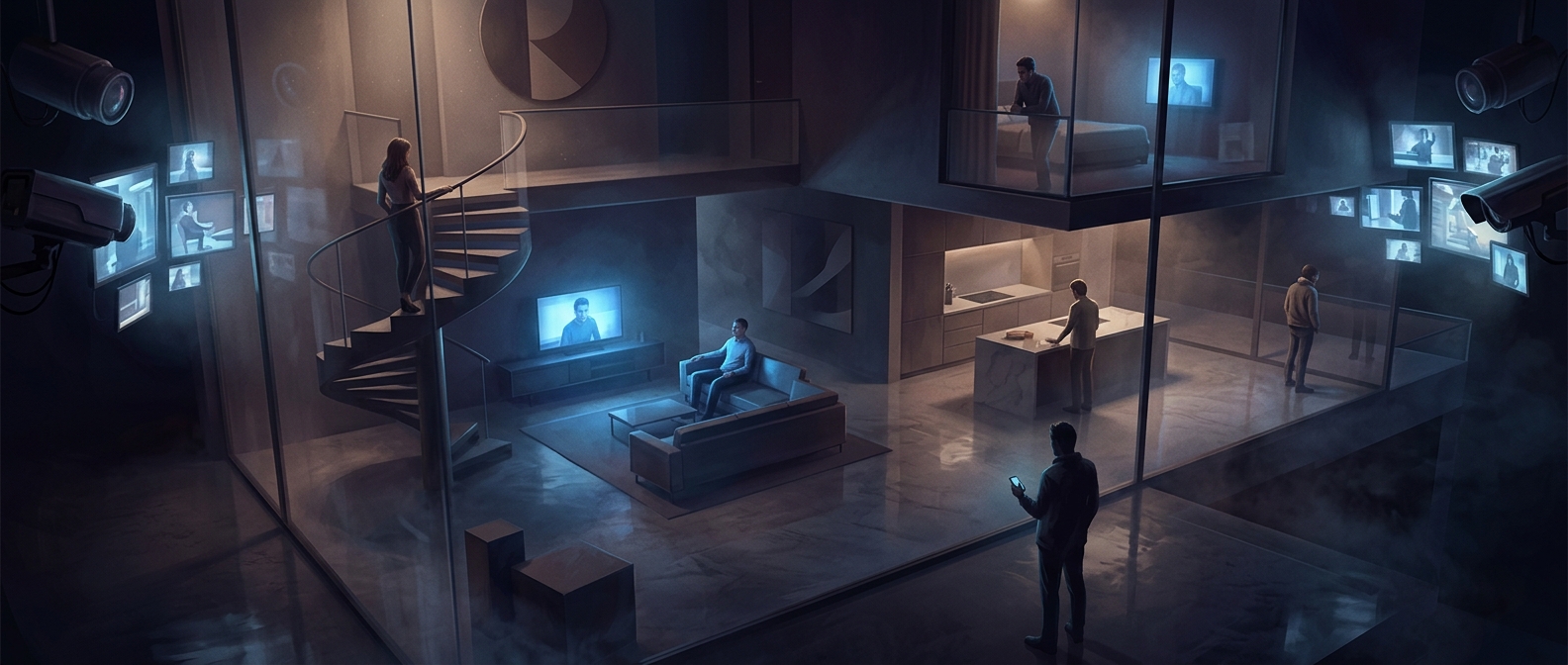
Outside the house, an irritating roommate can be escaped for an evening. In an enclosed reality-show setting, the same people keep meeting in the same rooms, using the same supplies and revisiting the same unresolved dispute. Repeated contact turns a minor annoyance into a relationship problem: the argument may be about a plate, but the resentment is about fairness or respect.
The House Makes Small Conflicts Legible
These formats place everyday negotiations in a setting where viewers can watch them unfold. A disagreement over cleaning has clear stakes: someone must do the work, and everyone can see who does or does not. That makes it easier to follow than a private tension with no visible trigger.
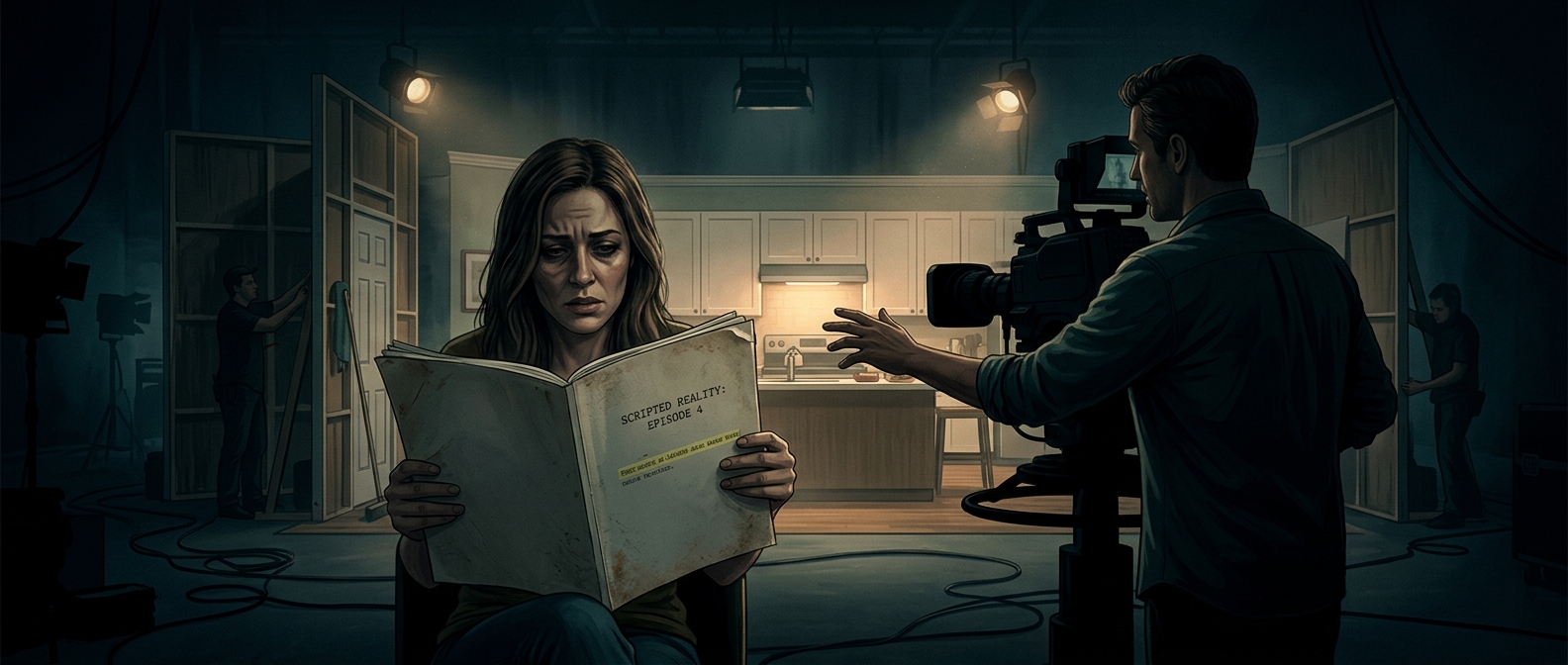
The camera’s presence can also make ordinary behavior feel consequential. Housemates know their reactions may be seen, while viewers encounter hours of daily life through selected scenes. Editing can emphasize the moments that explain a feud, leaving routine stretches out of view. The result is not that every household task becomes a blowup; it is that a small conflict can stand in for a larger clash of habits and personalities.
The Drama Comes From the Repeat Encounter
A clean plate settles one moment. It does not settle who is expected to wash the next one. In a house where nobody can simply leave the shared arrangement behind, that unresolved question is ready to return at the next meal.