How The Real World made everyday life a dramatic format
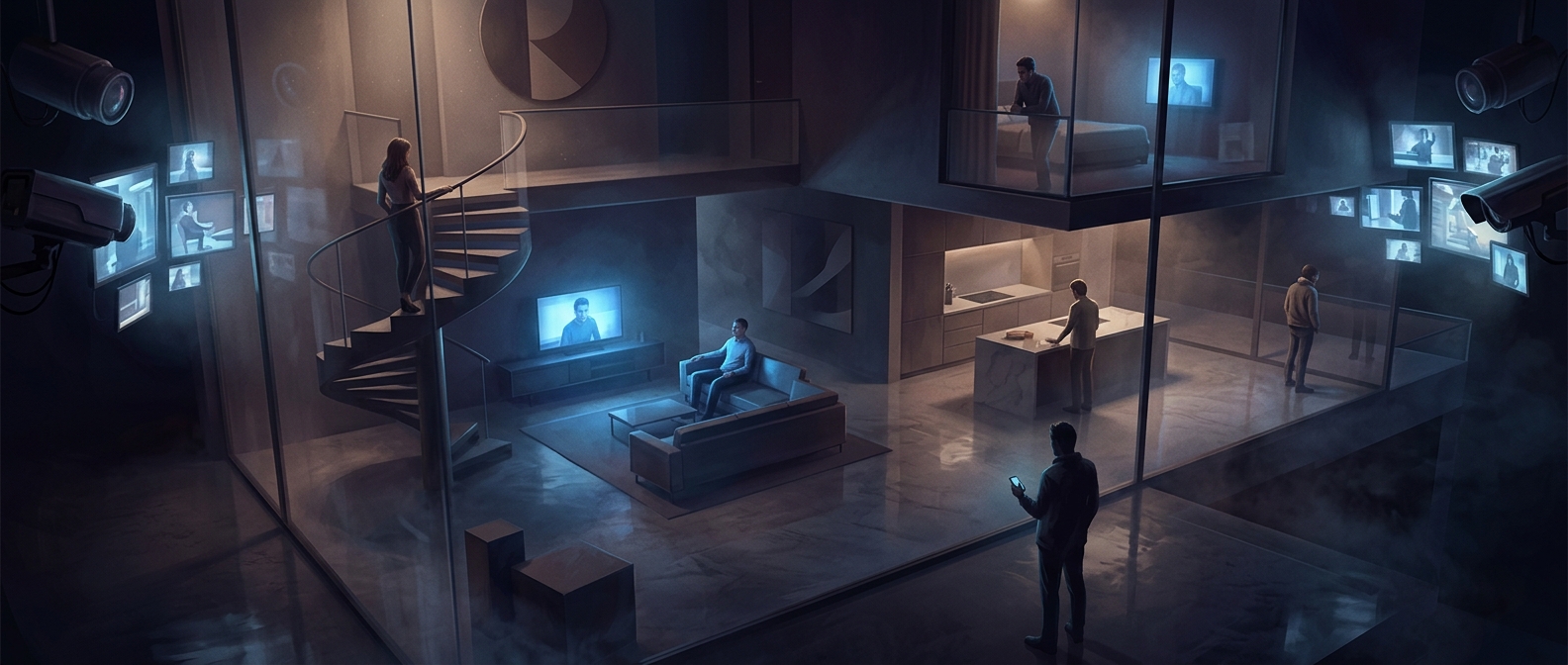
When The Real World arrived in 1992, its basic setup was simple: put seven strangers in a shared home and film what happened. The important change was what the show treated as its subject. There was no game to win or plot written in advance. Roommates’ arguments, alliances, awkward silences, and changing friendships became the material of the series.
That setup made the living space part of the story. People could not simply leave a disagreement behind when the scene ended; they still had to share the kitchen, bedrooms, and daily routines. Small frictions could build into lasting tensions, while ordinary moments gave viewers a sense of how the group was changing.
The story was made in the edit
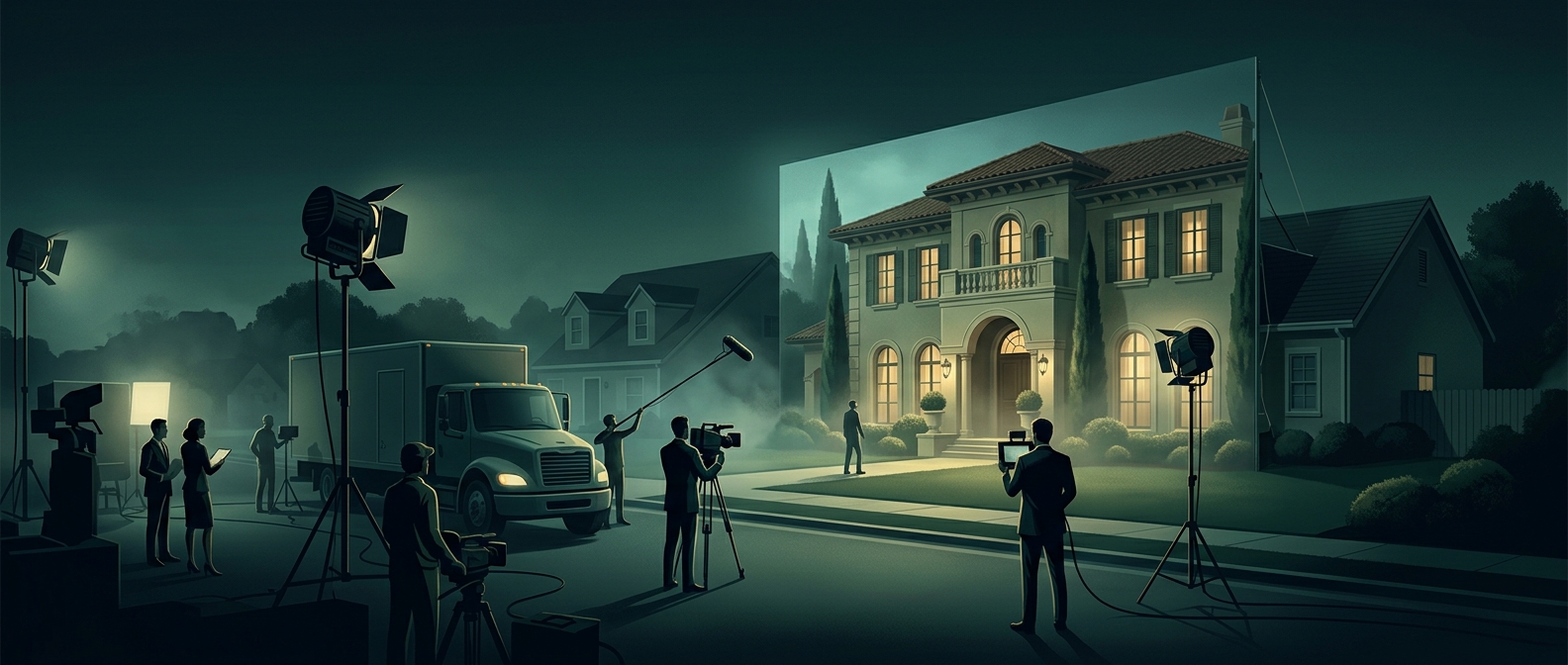
A camera records fragments, not a finished drama. Producers and editors shaped those fragments into episodes by choosing which conversations to follow, how to arrange events, and what reactions to show. The result could feel like an ongoing story even though the cast was not performing a scripted plot.
The format also made the cast’s own accounts useful storytelling tools. When participants spoke directly about their experiences, viewers could hear how they interpreted a conflict rather than relying only on what a camera happened to capture. That combination—shared life, recorded interaction, and editorial shaping—helped establish a template later reality shows could adapt for romance, competition, or other settings.
Its lasting shift was to make unscripted relationships, rather than a host’s challenge or a fictional character’s journey, the engine of television drama.