A Scottish sound on a national broadcaster
The White Heather Club was a BBC entertainment programme built around Scottish music and dance. Its mix of folk tunes, jigs and bagpipes carried a distinctly Scottish sound—and Scottish voices—into homes across Britain. For listeners used to the BBC’s more formal broadcasting style, the programme could feel like a sharp change of register.
Why the bagpipes sounded like a provocation
Bagpipes are designed to project: a steady drone under a bright, penetrating melody lets the instrument carry over dancers and outdoor crowds. On radio, that forceful, continuous sound could seem especially intrusive beside quieter orchestral or popular music. The programme’s Scottish dialect and energetic dancing added to the contrast. What some listeners heard as lively regional entertainment, others judged against narrow ideas of what counted as “civilized” broadcasting.
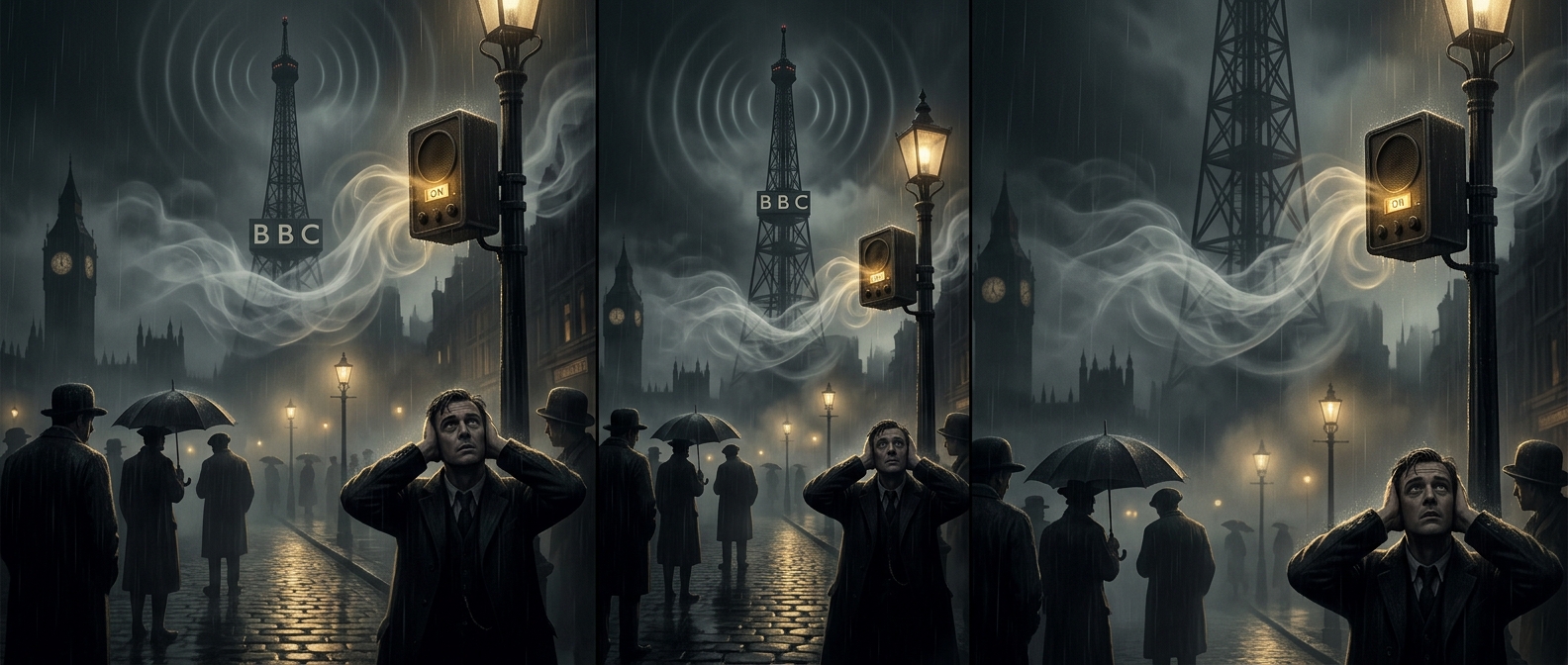
The reported angry letters from London listeners reveal more than a dislike of one instrument. They show how a national broadcaster could turn regional culture into a point of friction: putting a local sound on a shared channel made it impossible to treat that culture as merely local.
From regional tradition to living-room spectacle
Television and radio entertainment could bring folk performance to audiences far beyond the people who encountered it at dances or community gatherings. That wider reach changed the setting, not the music: a jig once heard among dancers now arrived through a household speaker, on the BBC’s schedule and in front of a national audience. The bagpipes’ conspicuous sound made the cultural difference hard to ignore—and helped make the programme memorable.