How a documentary became family television
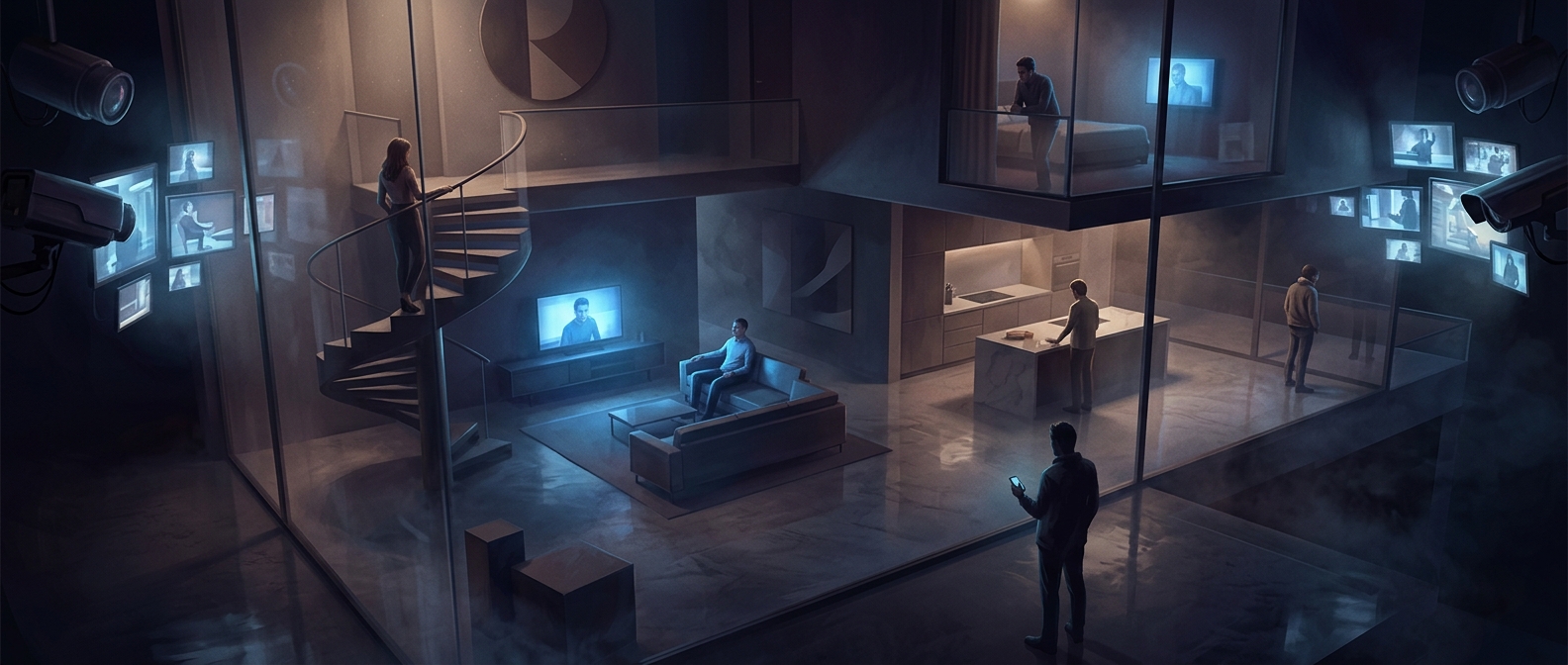
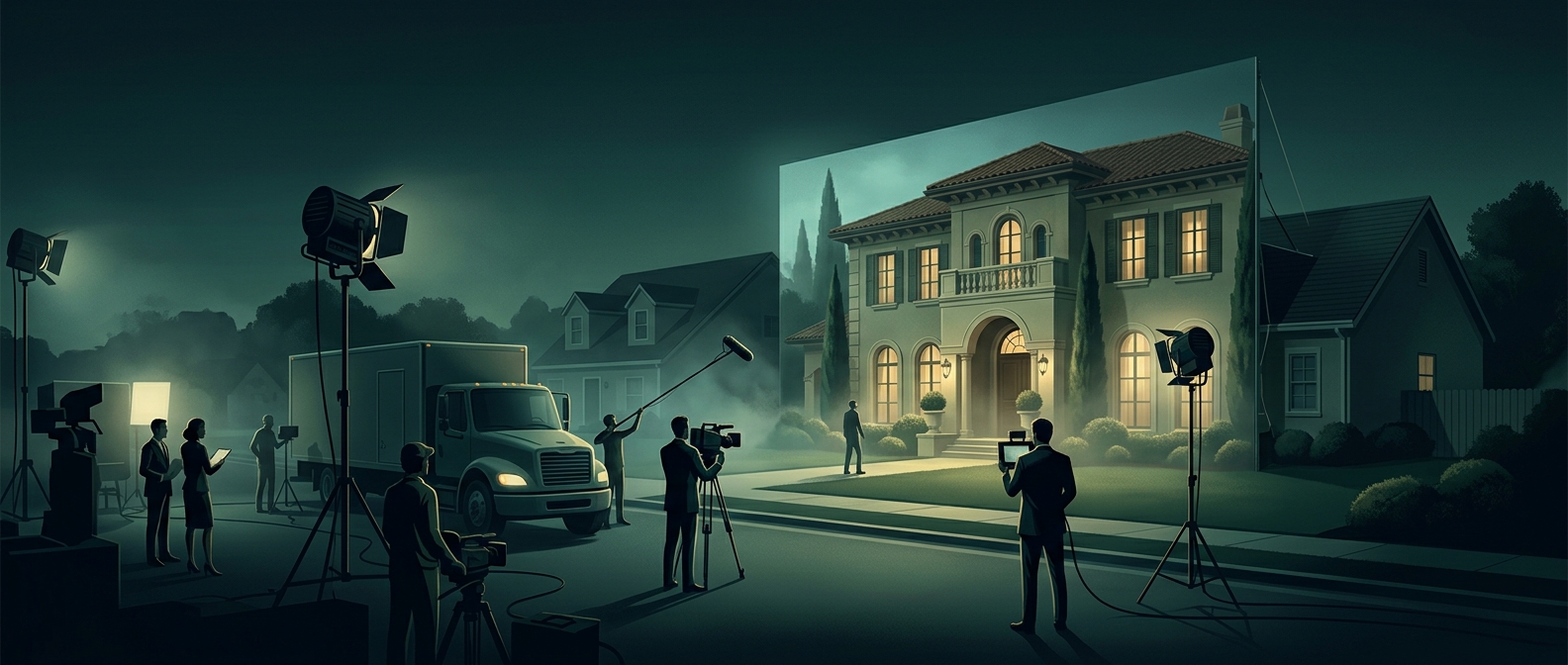
When An American Family aired on PBS in 1973, its unusual subject was not a contest or a staged household drama. Filmmaker Craig Gilbert spent months filming the Louds, an affluent family in Santa Barbara, California, and shaped the footage into a 12-part series. Viewers watched ordinary family life unfold over time, including arguments and changes that did not resolve neatly at the end of an episode.
That approach depended on a simple but consequential production choice: keep the cameras with one family long enough for events to develop. Instead of explaining family life through narration or reenactments, the series let conversations and tensions become the story. The camera did not make the Louds’ private lives untouched by filming, but the program’s appeal came from watching recognizable people navigate real consequences rather than perform a competition or scripted plot.
Editing made everyday life a continuing story
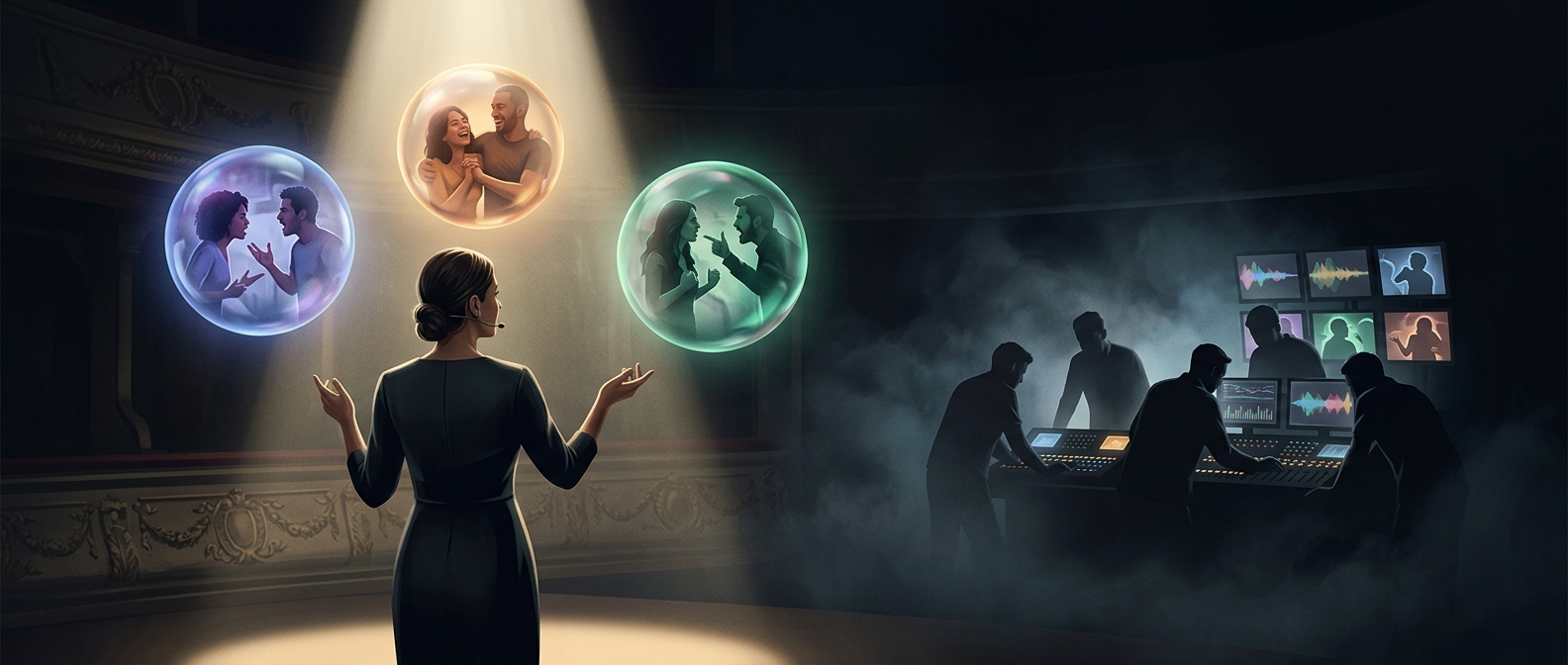
The footage still had to be selected and arranged. Editors turned a vast amount of recorded material into episodes, giving some moments more weight than others and creating a narrative arc from events that had not been planned as television drama. That tension—between life as it happened and life as shaped for an audience—became part of the program’s significance.
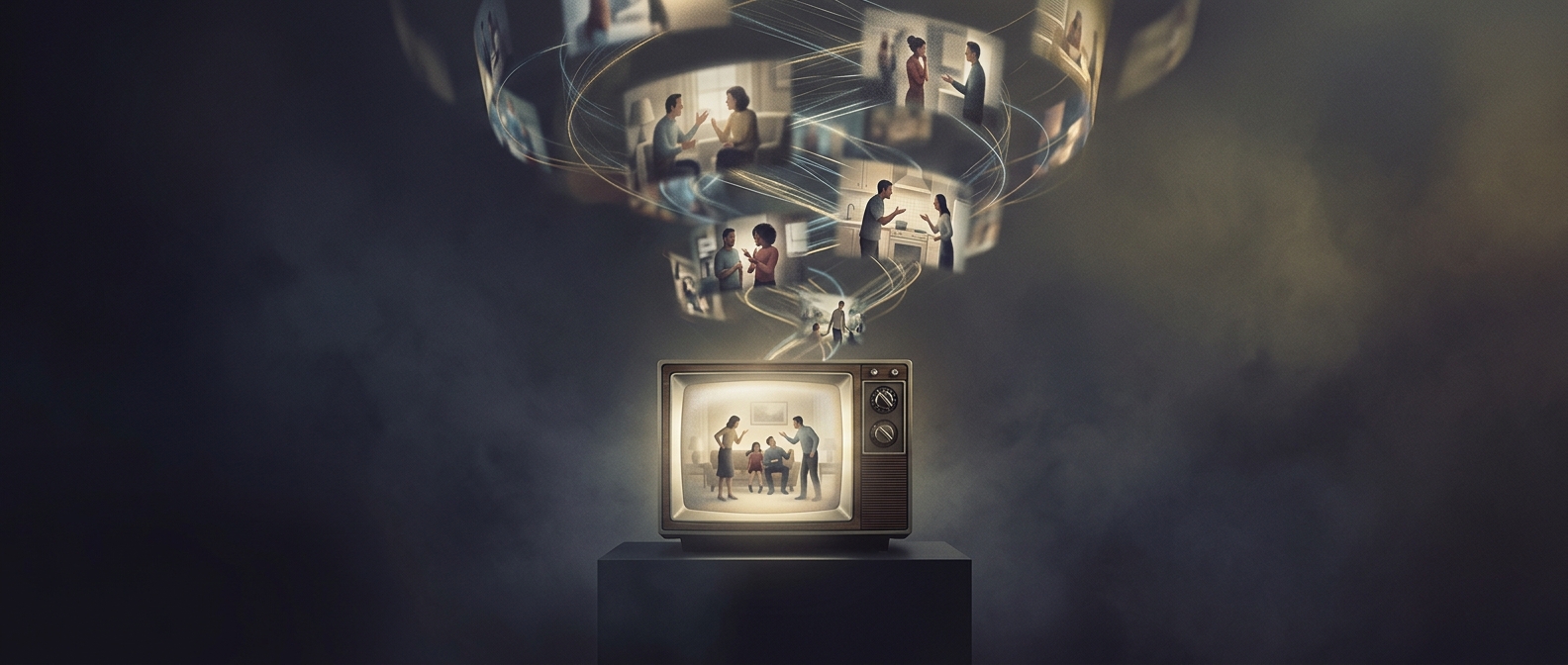
The series drew particular attention for showing family strain in public, including a marital breakup, and for its portrayal of eldest son Lance, who was gay. These were not tidy plot twists designed in advance; they were personal developments that viewers encountered as part of an ongoing documentary.
Later reality television would use cameras to follow people through daily life, then rely on editing to make that life legible as a series. An American Family did not invent every form of unscripted television, but it demonstrated how an intimate, continuing record of one household could hold a national audience—and how quickly private moments could become public stories.