The Confessional Is Often Built in Pieces
A reality-show confessional may look like one uninterrupted conversation, but its answers are often recorded at different times and assembled later. A cast member might return to the interview setup after a tense scene, a new revelation, or even a change of outfit. Editors then combine the most useful remarks into a coherent story.
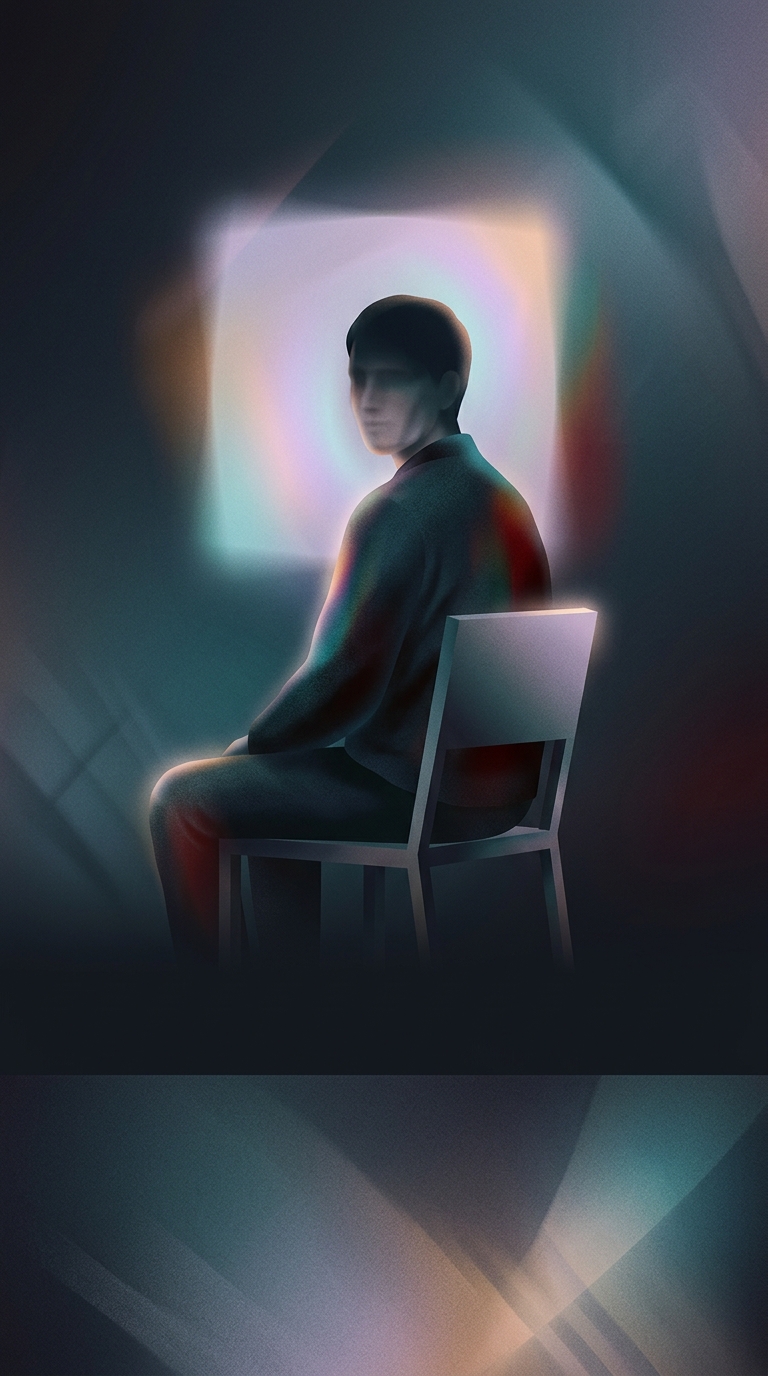
That creates a visual problem: separate interview moments can look too much alike—or small differences can expose the splicing. Background lighting gives the production a subtle way to distinguish sections or smooth over changes. A warmer glow, a cooler shadow, or a brighter patch behind the speaker can make a new passage feel like a different beat without announcing the edit.
A Small Cue With a Large Job
Lighting helps guide attention and mood. A brighter background can make an interview feel open; deeper shadows can make it feel more serious or tense. These effects do not prove that the cast member’s emotions changed, but they influence how the scene reads alongside the words, music, and reaction shots.
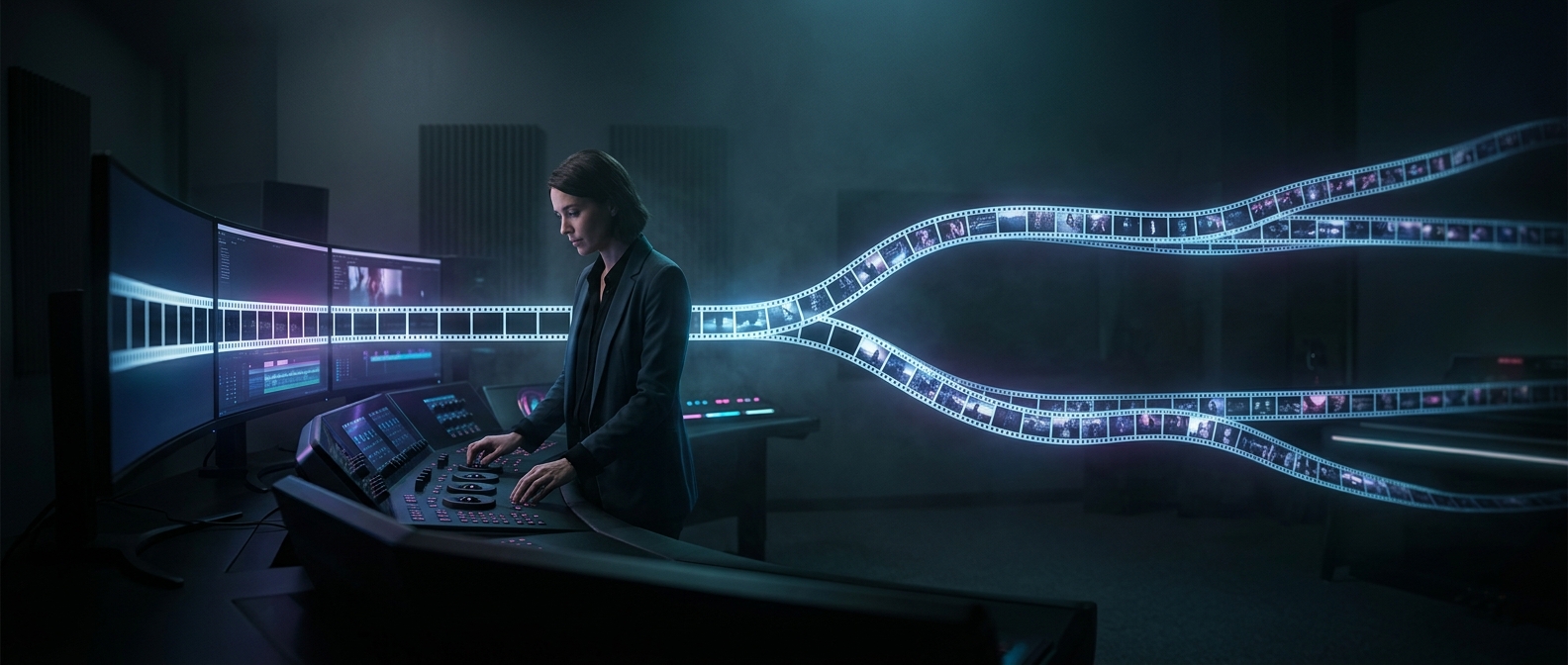
The change may happen on set, when an interview is filmed in separate sessions, or later through color correction—the adjustment of an image’s brightness and color in postproduction. Editors also have to preserve enough consistency that the interview still feels like the same room. A dramatic shift would distract viewers; a modest one can quietly mark a transition or make stitched-together answers sit more naturally.
Why Viewers May Not Notice
Confessionals are usually framed tightly on the speaker, so the background is secondary. That makes it useful: producers can alter the look without changing the person’s position or interrupting the flow of the story. The lighting becomes a soft visual signal, while the edit keeps the conversation moving.
The next time the wall behind a cast member seems to change color between answers, it may be doing more than looking polished. It can help conceal the seams of a scene assembled from pieces—and gently steer the mood in which those pieces are received.