Why Reality TV Loves an Opaque Goblet
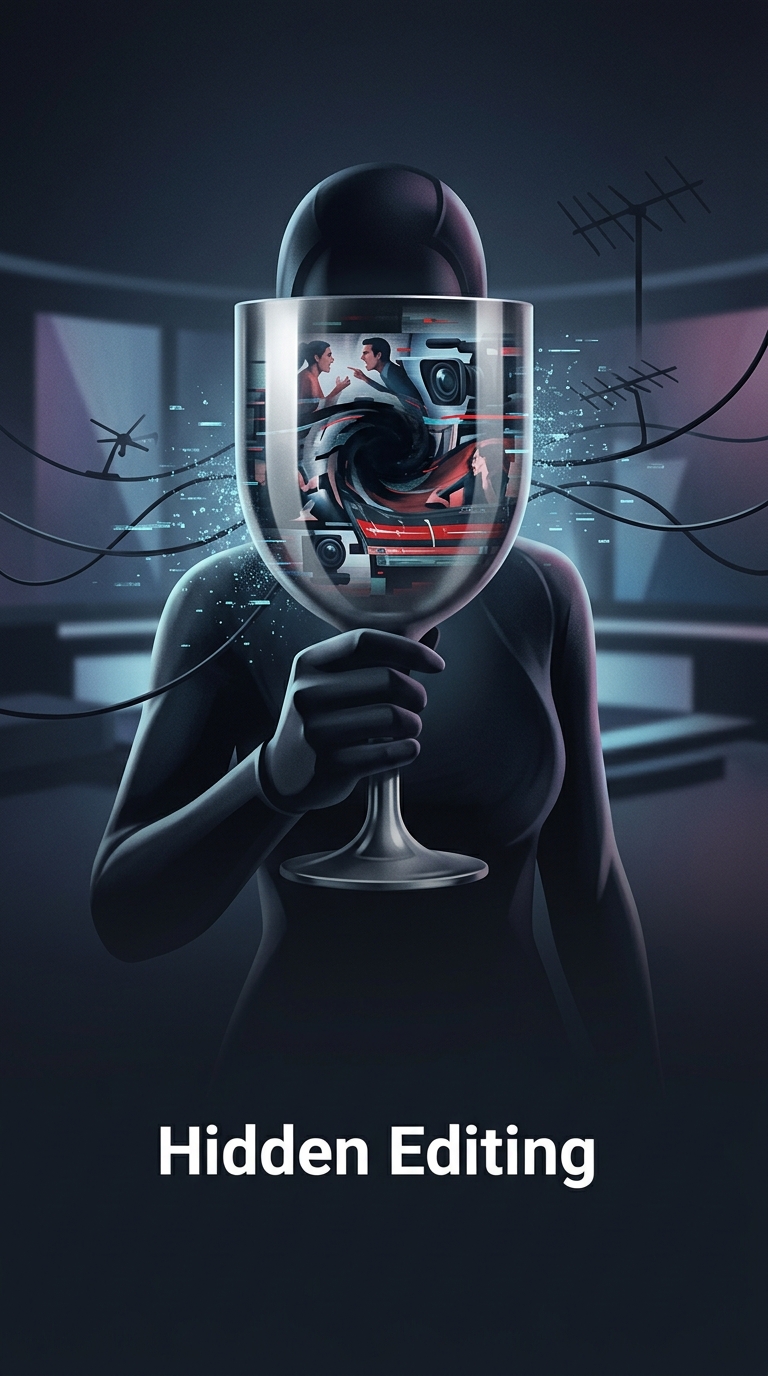
A metal goblet hides what a clear glass would reveal: how much of the drink is left. That matters when a scene is assembled from footage recorded across a long stretch of time. A cut can move between comments, reactions, or camera angles, and an identical-looking goblet makes it harder to spot that the drink level has suddenly changed.
The cup does not make a scene fictional by itself. It simply removes one visual clue that might expose an edit. In a conversation built from many takes or interrupted moments, that can help the finished sequence feel continuous—and can make it harder for viewers to tell exactly when each remark happened.
A Practical Prop With an Editing Advantage
Opaque cups also solve ordinary production problems. They can keep beverage brands and labels out of the shot, and metal is less likely than glass to shatter during filming. Those practical benefits help explain why the vessels appear so often; the concealed liquid level is the especially useful bonus for editors.
The result is a small piece of production design doing quiet work. When the goblet looks the same from one shot to the next, the edit can jump without leaving a visible trail in the drink.